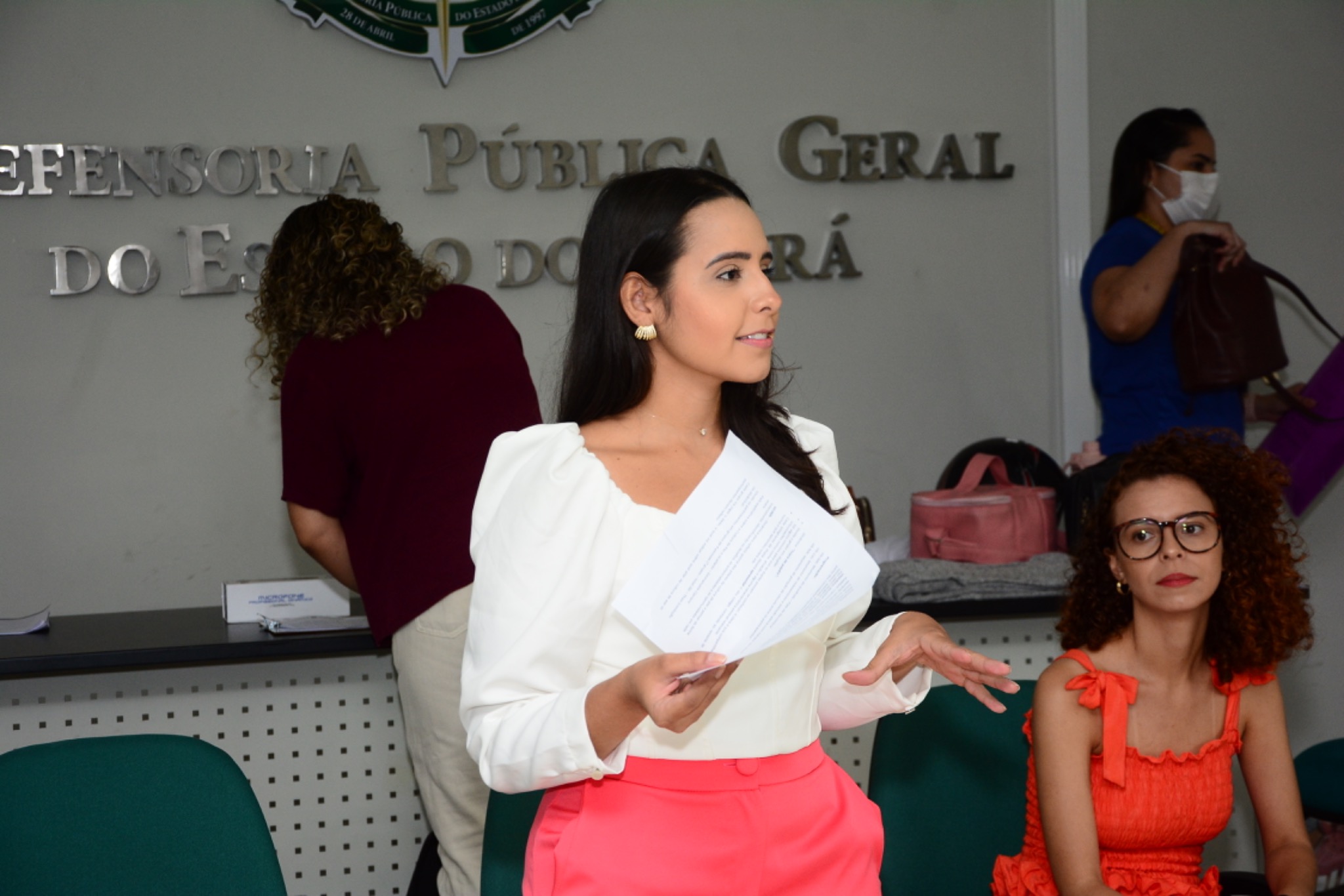
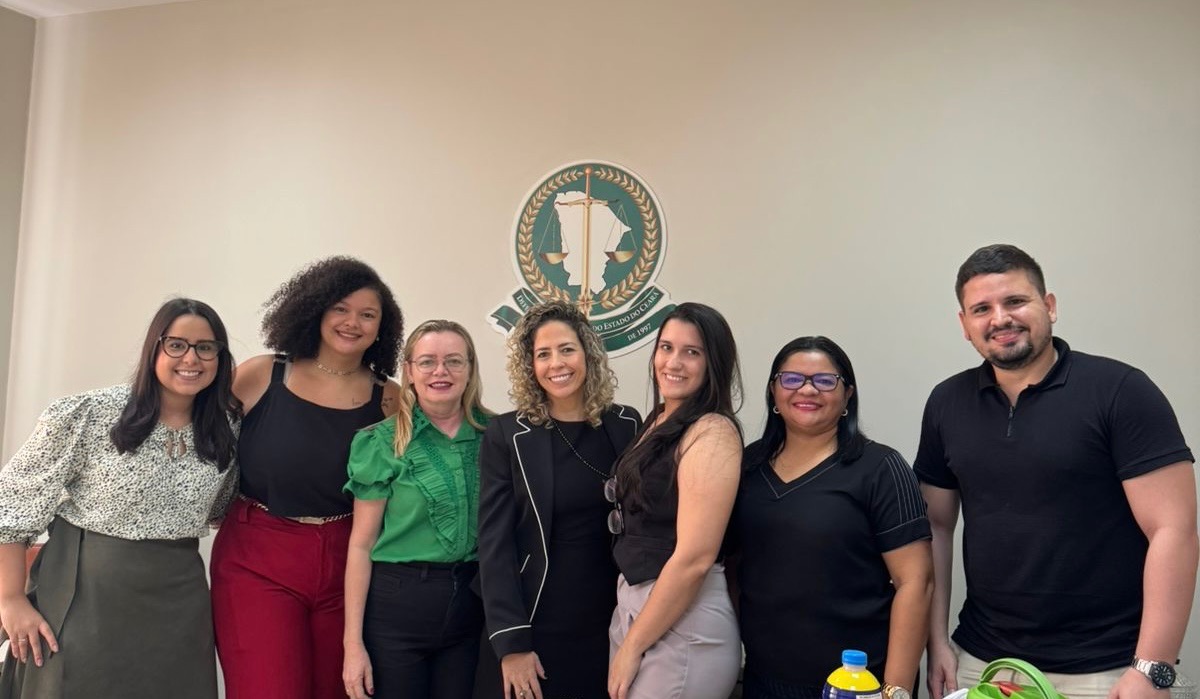
Since January 2025, I have been working as a Legal Advisor at the Public Defender’s Office of Sobral, Brazil, supporting litigation and case management in a unit responsible for reviewing and filing initial complaints.
My work focuses on expanding access to justice and strengthening client-centered legal services. I draft and review legal documents, conduct legal research, and provide strategic support to public defenders, while also monitoring cases through electronic systems to ensure procedural efficiency.
I am also involved in case intake and screening, contributing to the definition of appropriate legal strategies aligned with principles of social justice and human dignity. Additionally, I collaborate in the technical review and standardization of legal documents within the institution.
Direct client interaction is a central component of my work, including interviews and support in conflict-sensitive approaches, with an emphasis on mediation and conciliation.
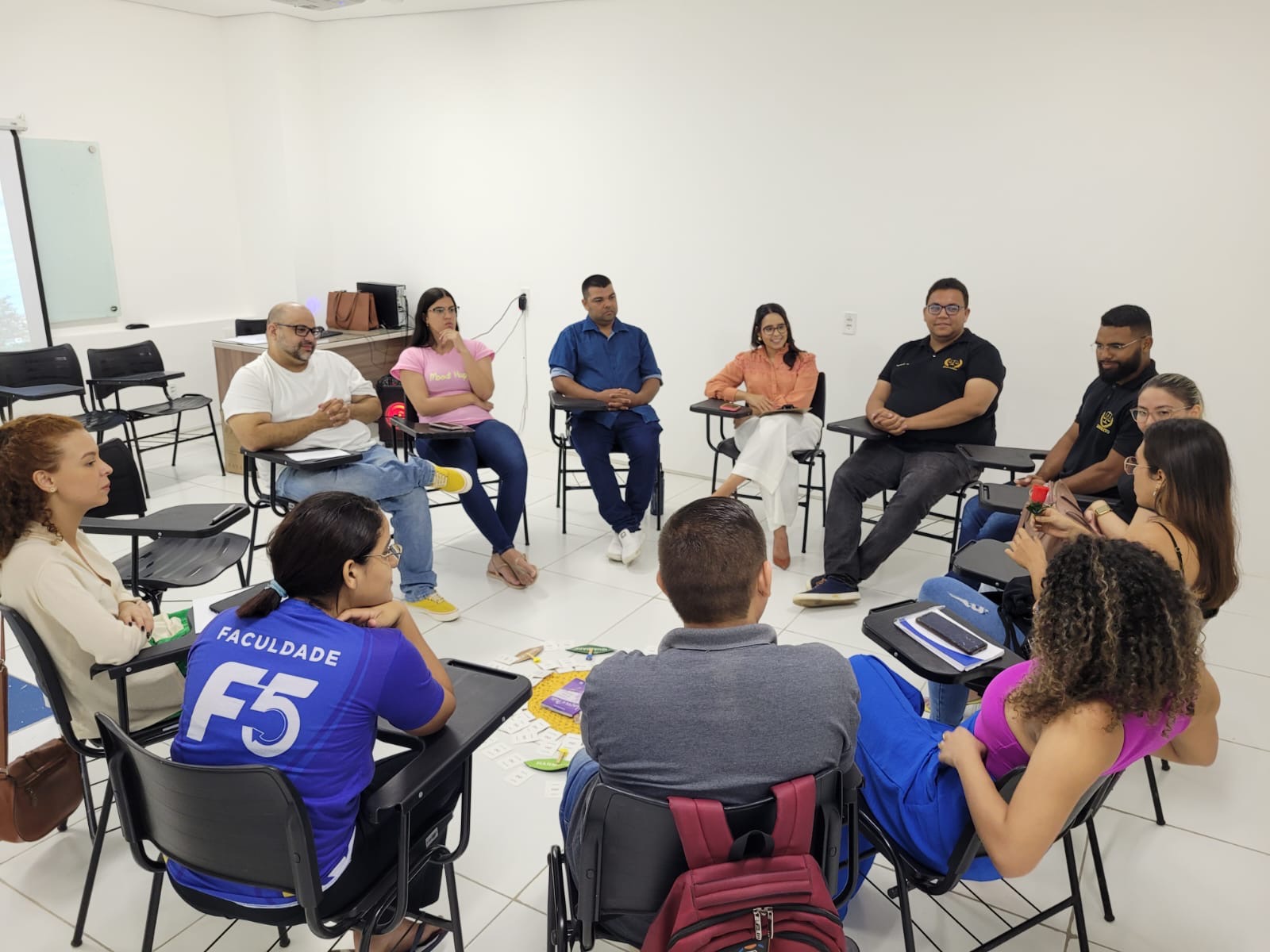
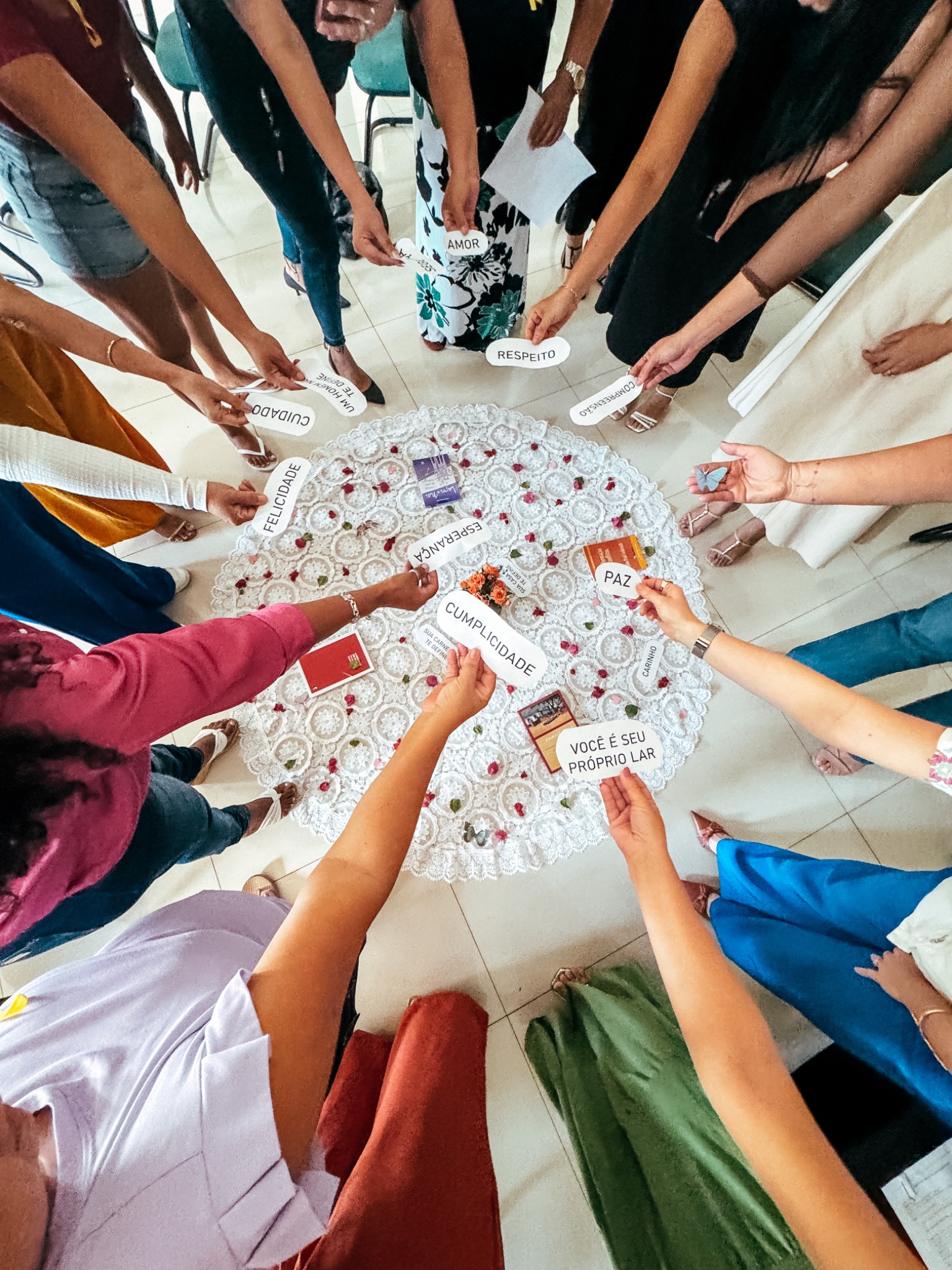
On a weekly basis, I work at the Center for Confronting Violence Against Women (NUDEM), where I provide legal assistance to women victims of domestic violence and contribute to group-based interventions, including support circles and workshops focused on empowerment and care.
In parallel, I have been involved in developing internal research initiatives focused on staff experiences and institutional dynamics, which inform the design of strategic training programs and capacity-building activities within the Public Defender’s Office.
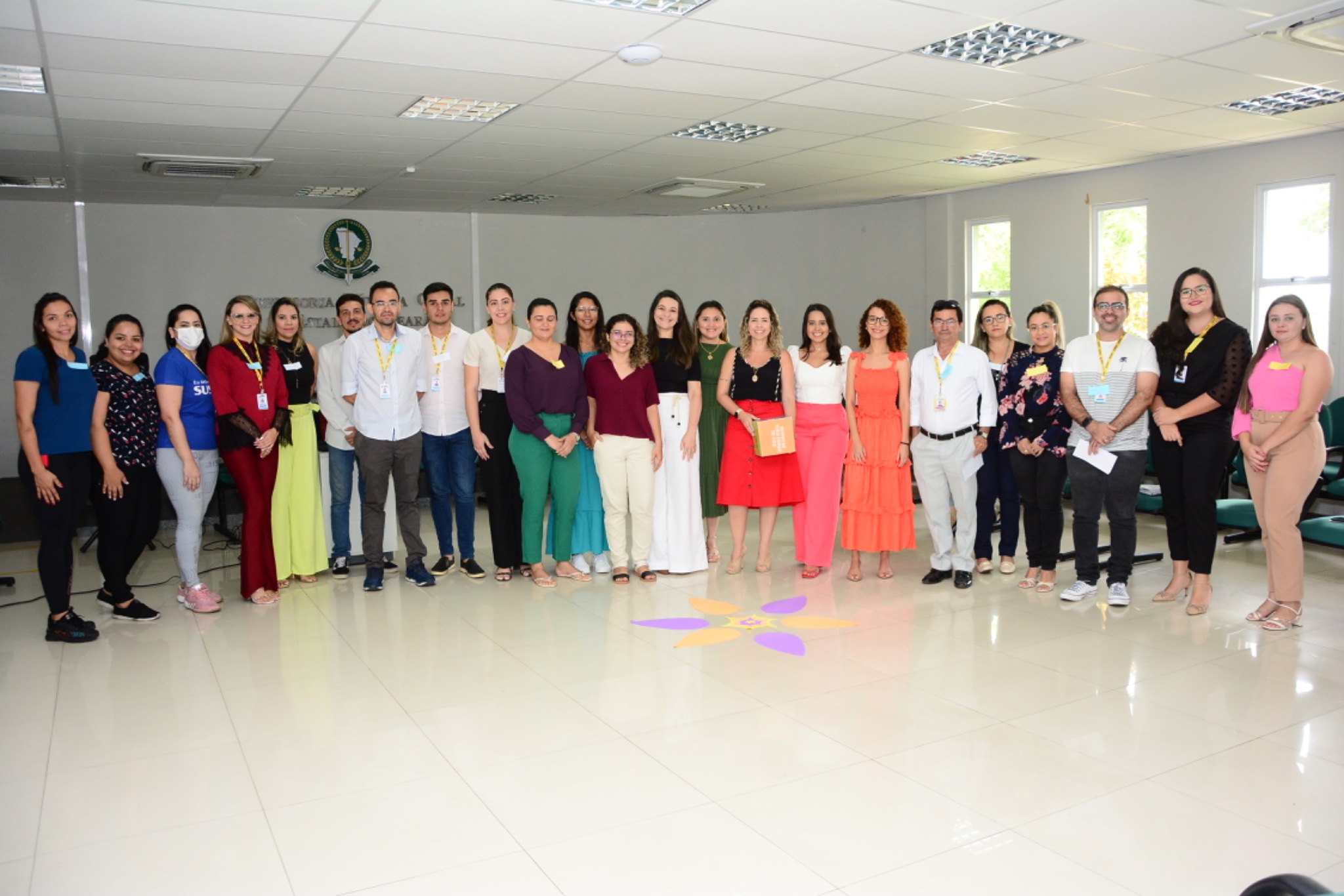
I contributed to the development and implementation of the project “Women at the Center: Life Projects and New Beginnings”, an institutional initiative led by the Center for Confronting Violence Against Women (NUDEM) at the Public Defender’s Office of Sobral.
The project was designed based on direct listening to women assisted by NUDEM, who expressed the need for continued support beyond legal proceedings. It addresses the limitations of a purely legal response to domestic violence by integrating emotional care, social support, and access to rights into a broader concept of access to justice.
The initiative consists of monthly group meetings structured as safe spaces for qualified listening, collective reflection, and interdisciplinary learning. It combines methodologies such as peacebuilding circles, participatory education, and practical workshops focused on themes including self-knowledge, life planning, social support networks, financial autonomy, affective relationships, and access to public services.
The project aims to strengthen autonomy, rebuild life projects, and foster a sense of belonging and trust among participants. Early implementation showed strong engagement, with participants highlighting the importance of collective spaces in overcoming isolation and rebuilding their trajectories after experiences of violence.
Between May 2021 and January 2025, I worked at the Department of Citizen Security in my hometown, more specifically in the Diagnosis and Culture of Peace Coordination team.
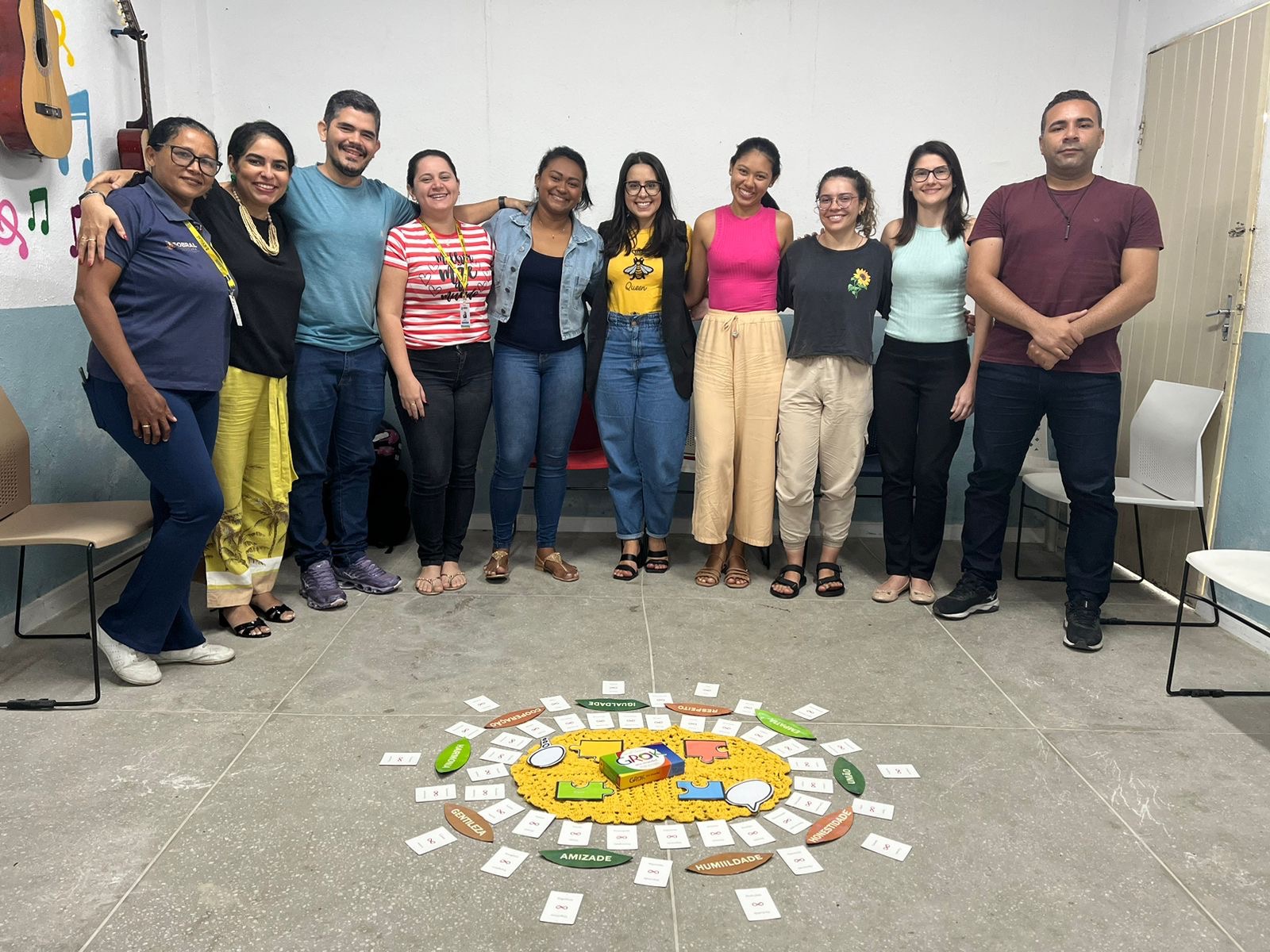
This team's objective is to think, plan, structure and execute public security projects and activities, guided by ideals related to the Culture of Peace and citizenship, based on elements collected in scientific research, listening to the community and the security forces.
I started working in the team as a project manager for conflict mediation and restorative justice. I was promoted and today I am the coordinator of this team, made up of 6 people.
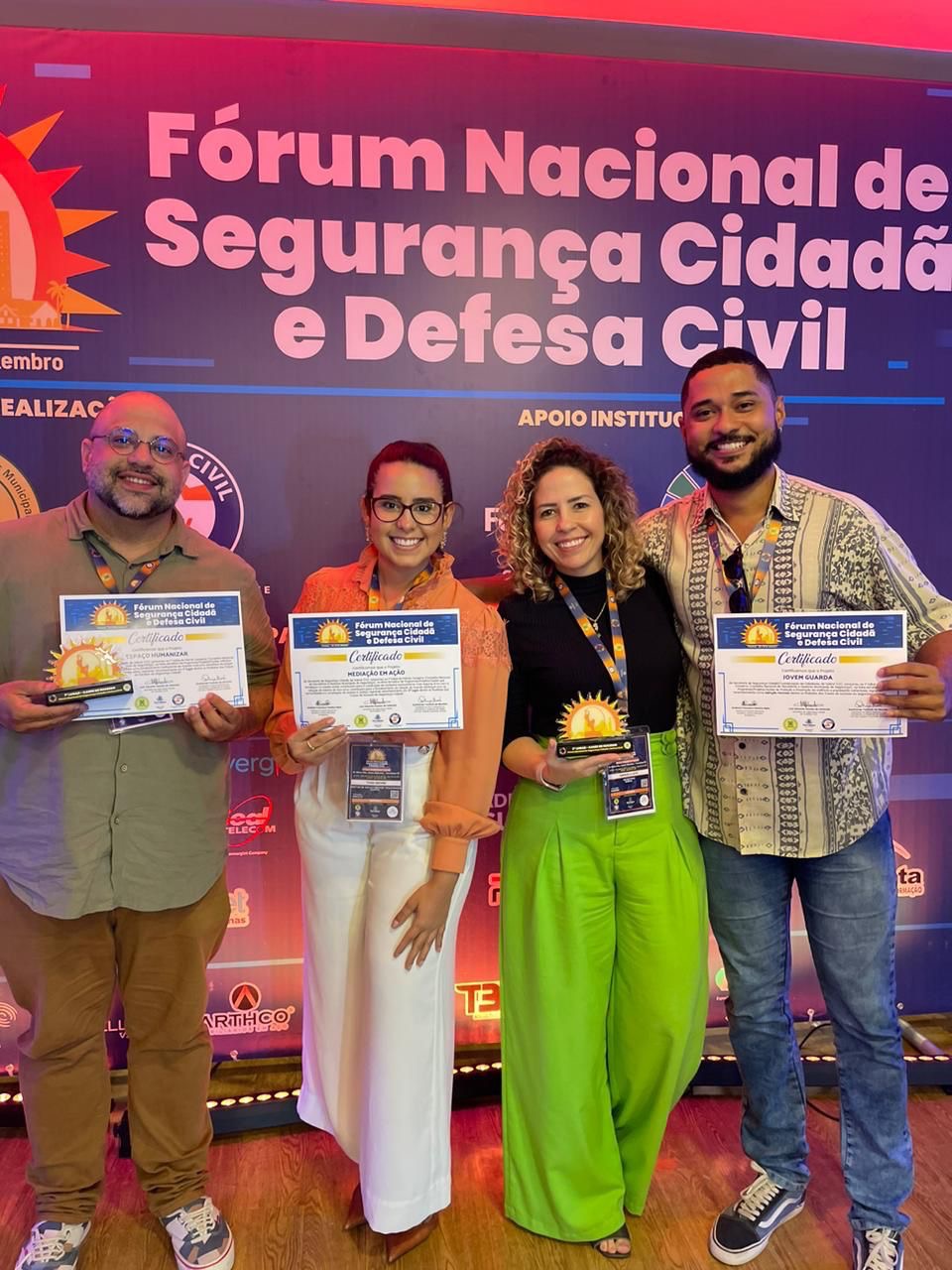
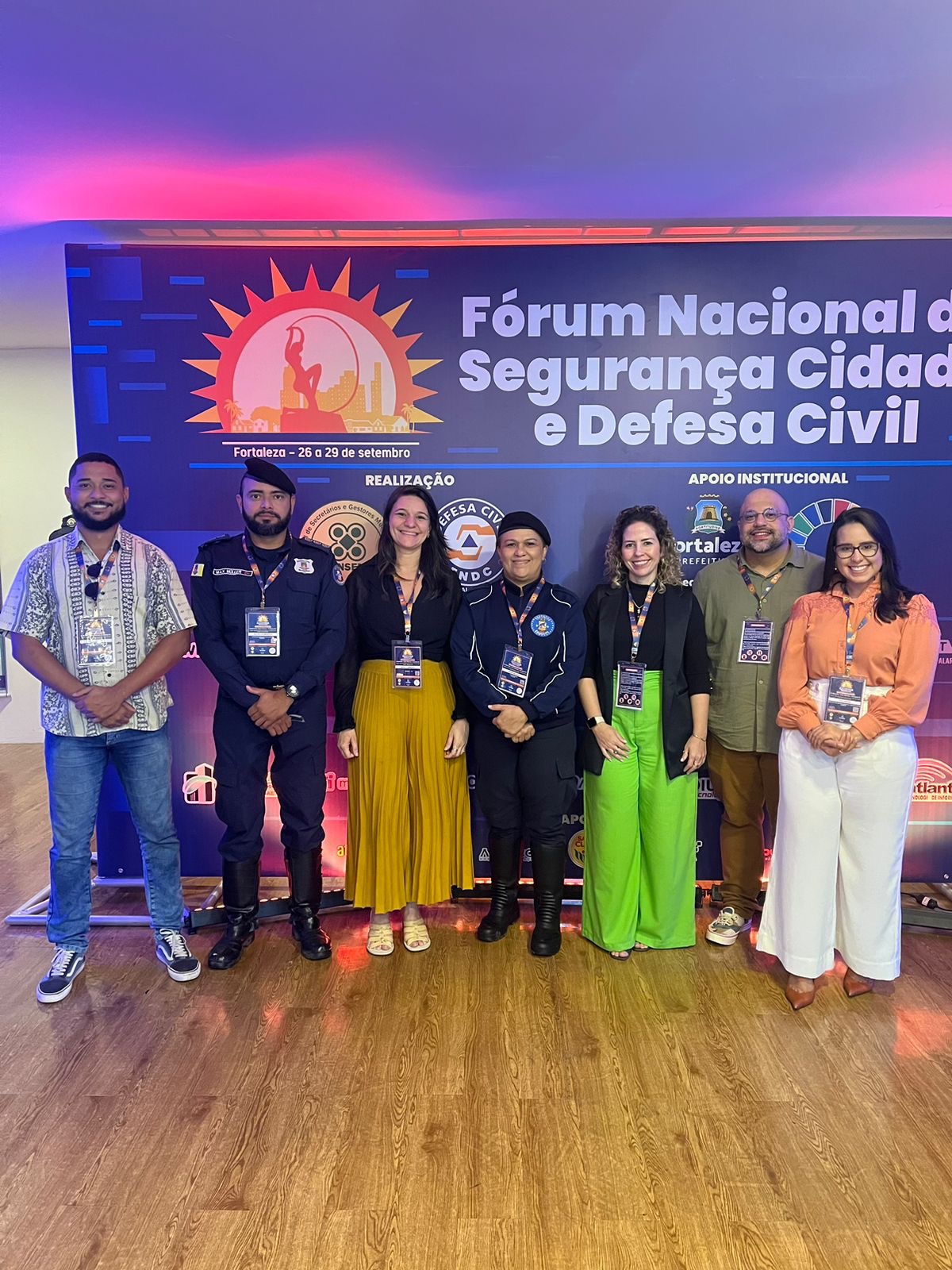
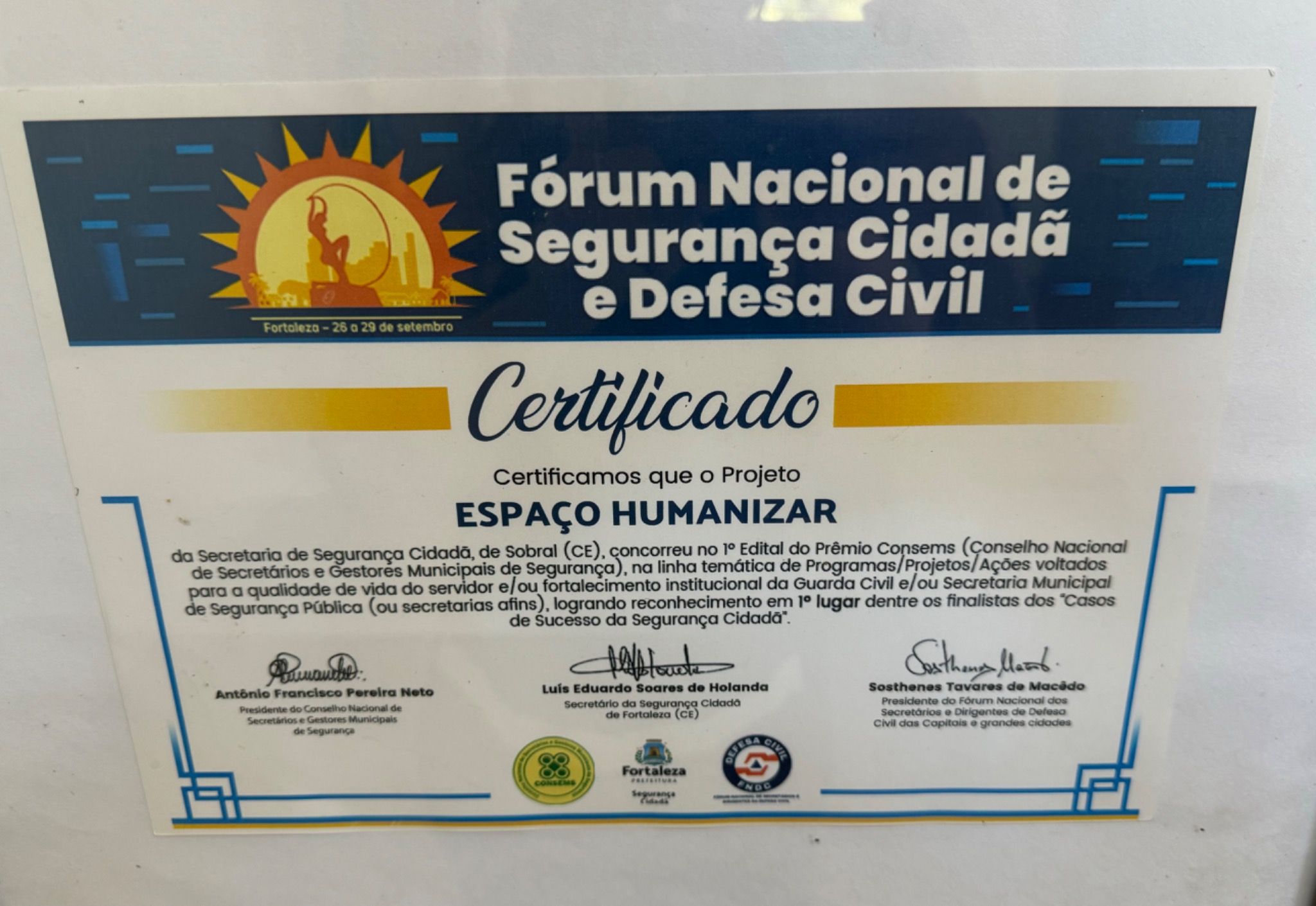
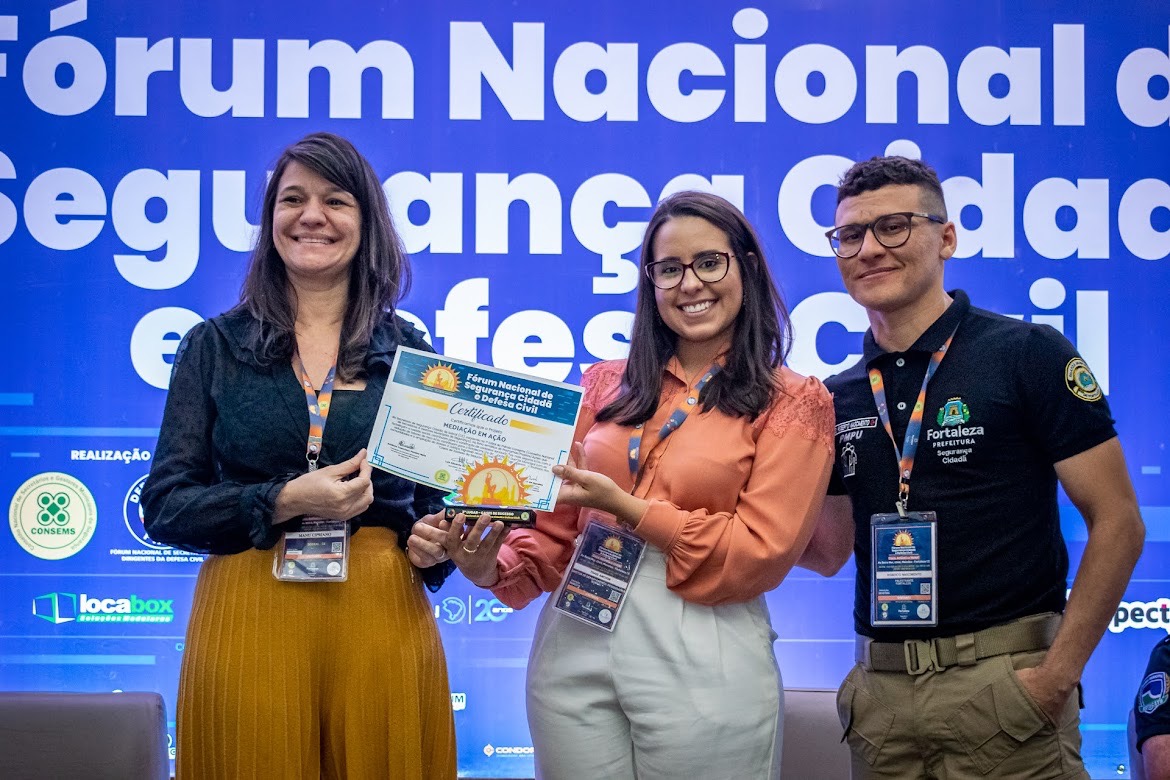
Before presenting some of the projects and activities that I have developed or participated in, I would like to share with you the joy resulting from the award of two projects from the Coordination of Diagnosis and Culture of Peace (team that I coordinate) at the National Forum for Citizen Security and Civil Defense, held in 2023, in Fortaleza, state of Ceará, Brazil.
"Humanize Space" Project: Awarded 1st place in the category of projects aimed at improving the quality of life of civil servants and strengthening the civil guard.
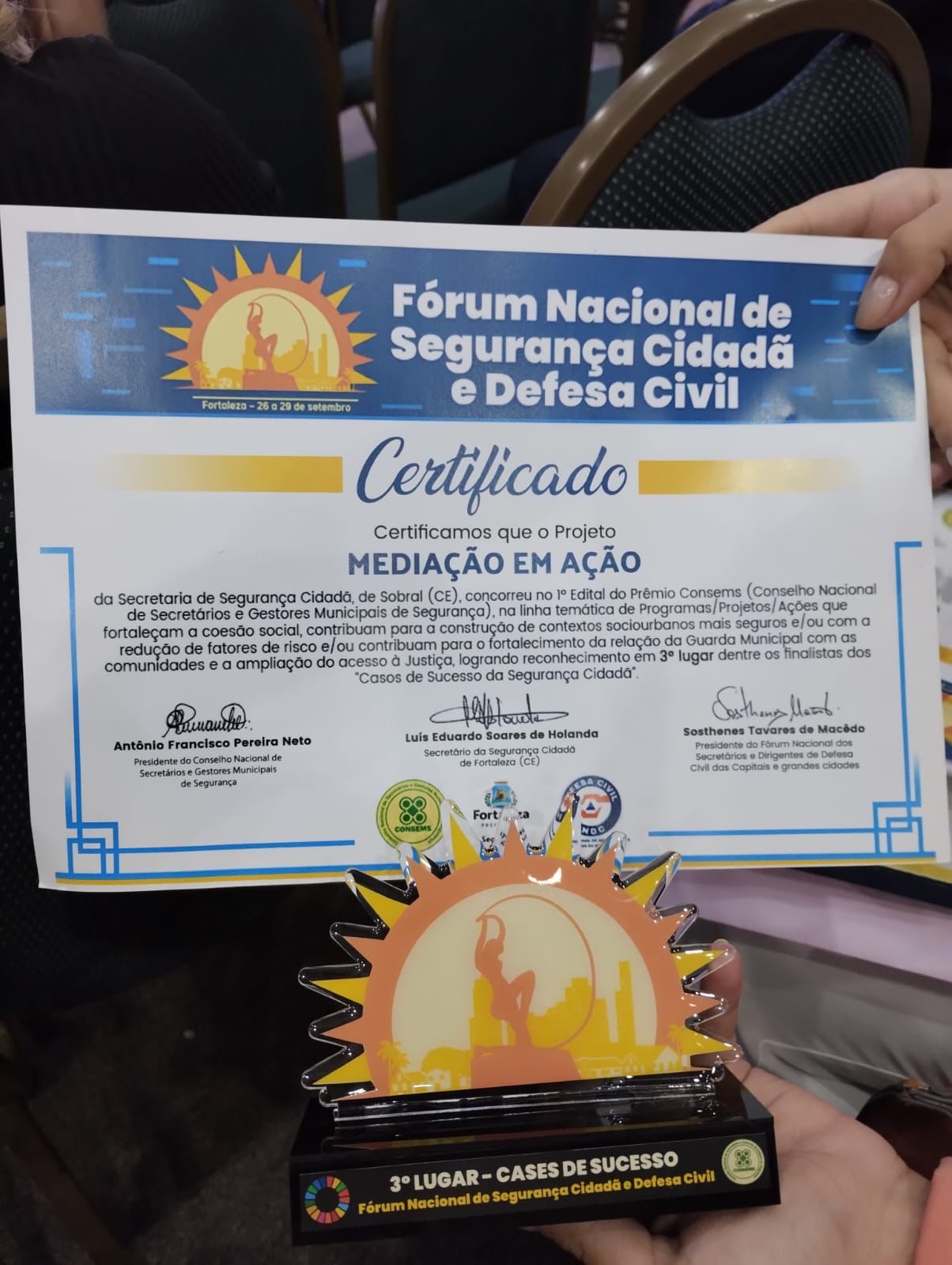
"Mediation in Action" Project: Awarded 3rd place in the category of projects that contribute to the construction of safer socio-urban contexts and the reduction of risk factors related to violence.

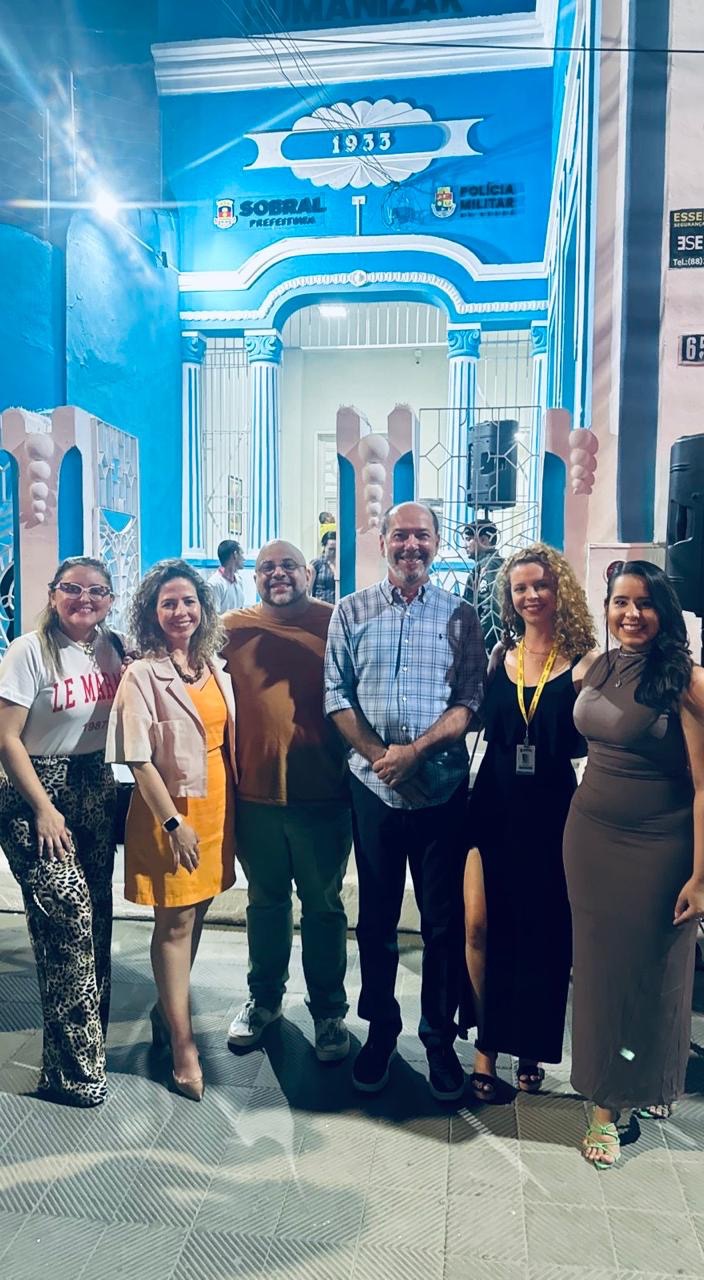
Well, as I mentioned, I currently coordinate a team called the Coordination of Diagnosis and Culture of Peace. With great joy, I would like to share with you, reader of this page, that in July 2024 my team inaugurated an important place to provide public services within the scope violence prevention and Culture of Peace.
Following recognition from the mayor of the city of Sobral, state of Ceará, Brazil, we inaugurated the Centro Humanizar. The services of the Coordination of Diagnosis and Culture of Peace (my team) and the Biopsychosocial Care Center of the Ceará Military Police (NAB) now operate at the Humanizar Center.
The Humanizar Center is a symbol of our city's commitment to promoting a culture of peace and care for our security forces. After all, psychosocial care will be offered to the Municipal Civil Guards of Sobral, through Espaço Humanizar (project of the Coordination of Diagnosis and Culture of Peace), and to the Military Police of the 3rd Battalion of the Military Police of the State of Ceará, through the NAB.
The Humanizar Center is the first public space in Brazil that will provide psychosocial care aimed at municipal and state security forces, along with Culture of Peace and violence prevention activities.
Now, I would like to invite you to learn a little more about the projects that I have developed or participated in as a public servant working in the Secretariat of Citizen Security in my city.
Below are some photos and videos that portray work full of purpose around the development of healthier interpersonal relationships based on a Culture of Peace.
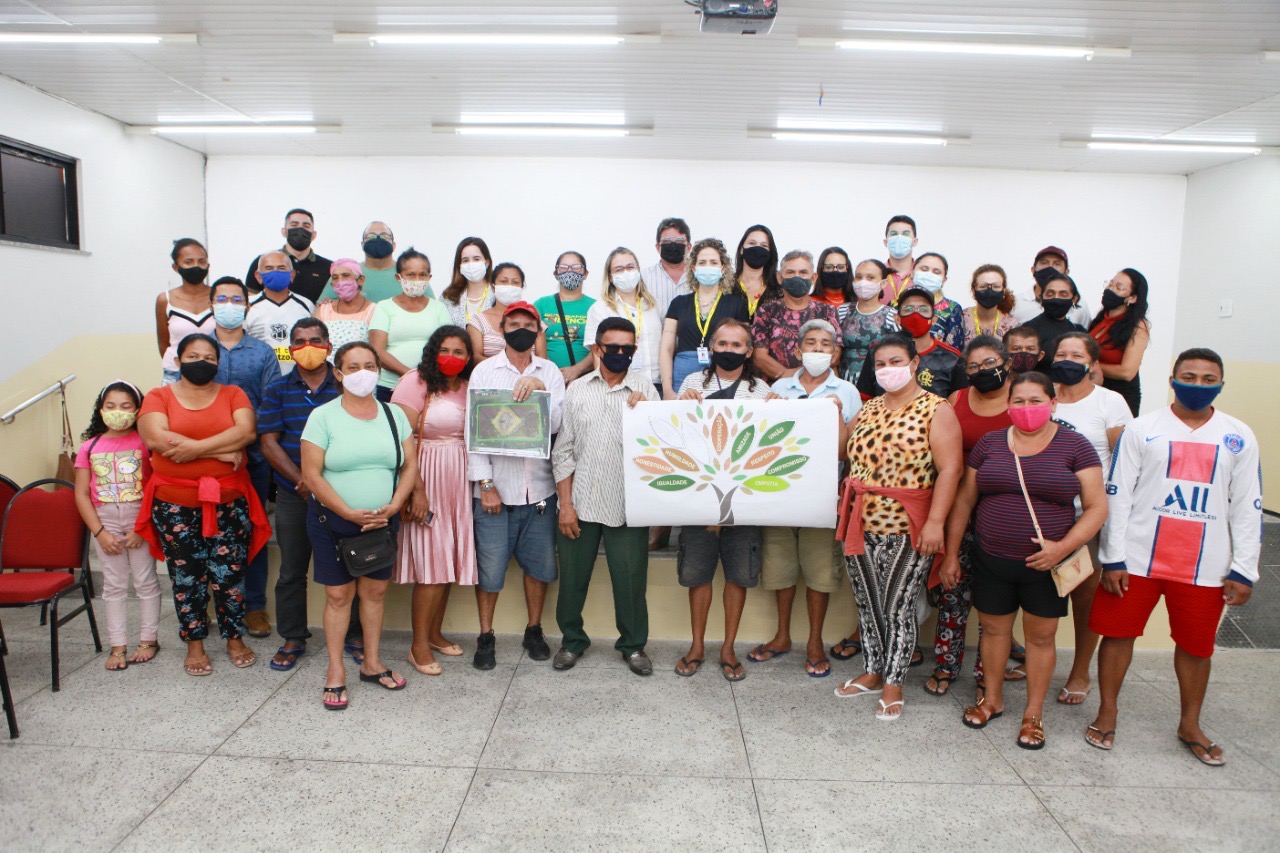
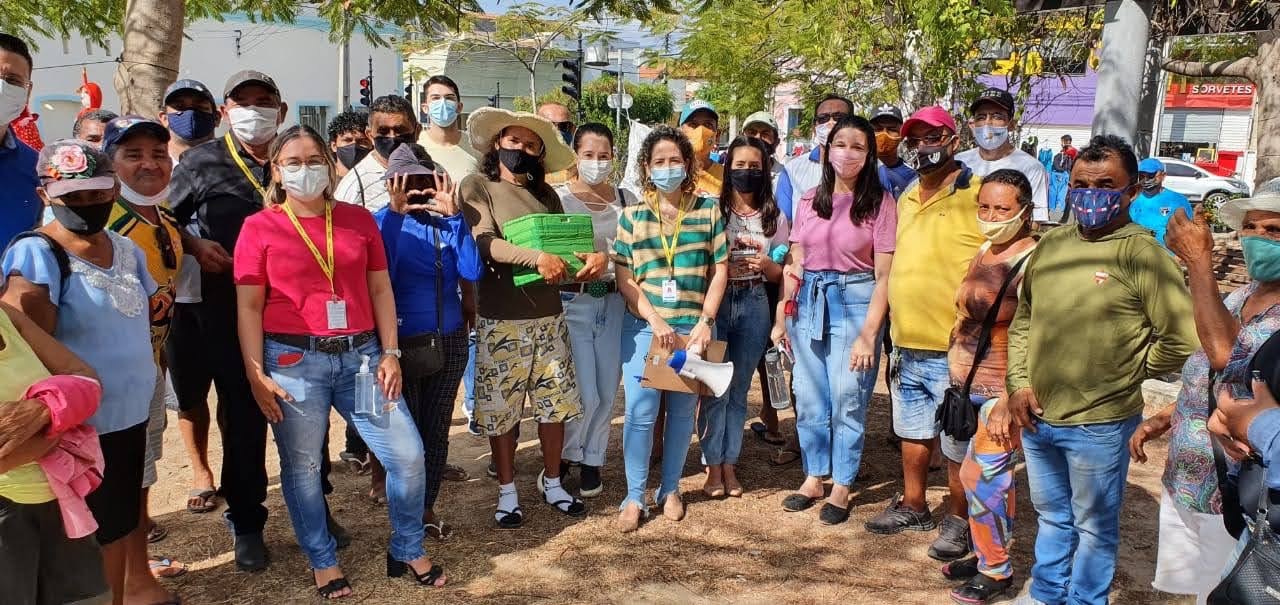
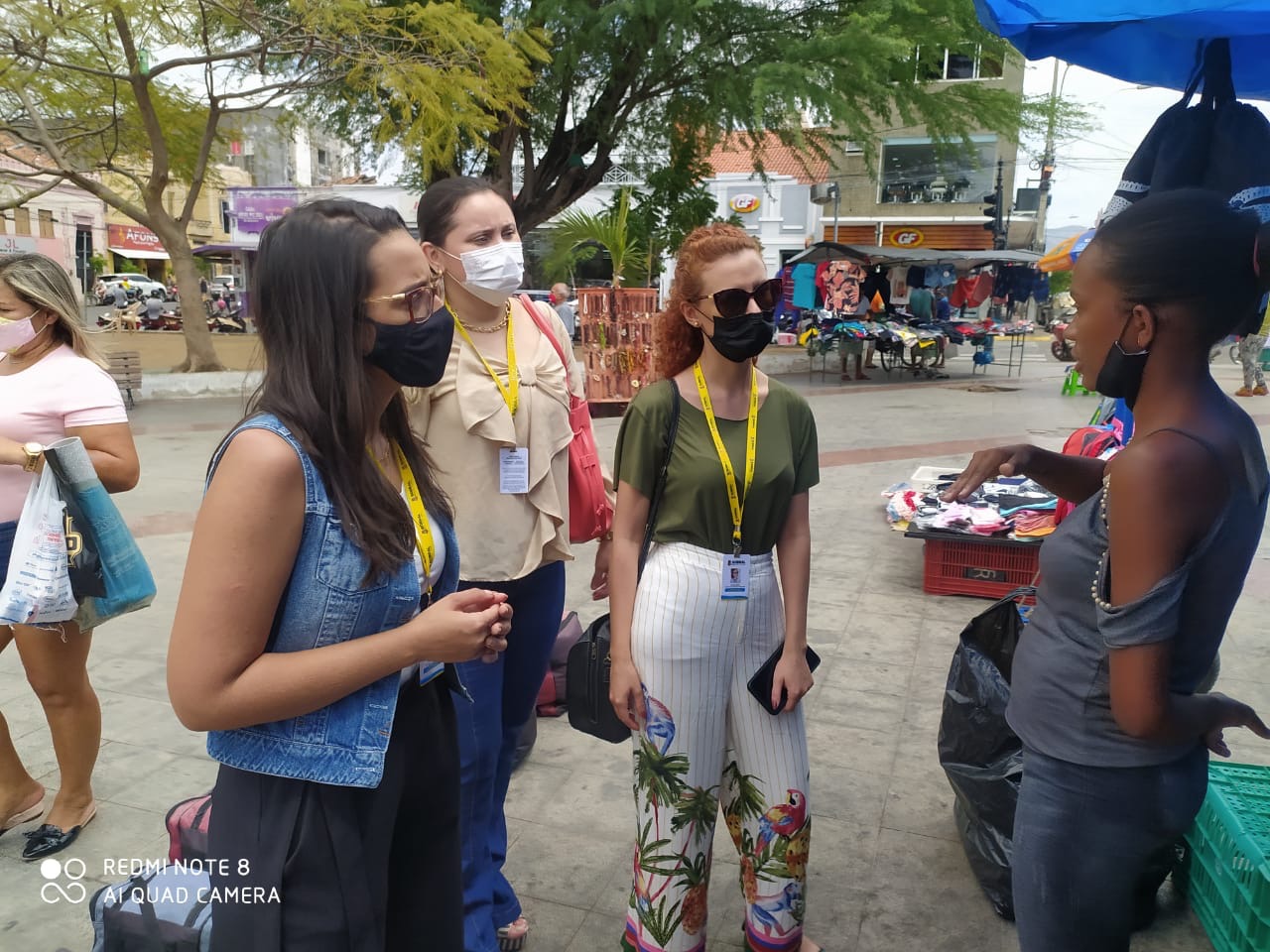
The initiative “Dialoguing on the Occupation of Public Space” was a joint effort between the Secretariat of Citizen Security (SESEC), through the Coordination of Diagnosis and Culture of Peace (CDCP), and the Secretariat of Urbanism and Environment (SEUMA) in Sobral, Ceará, Brazil.
Launched in September 2021, the initiative responded to a request from SEUMA to SESEC regarding the irregular occupation of Praça de Cuba by street vendors, a situation that intensified during the economic crisis caused by the COVID-19 pandemic.
The context involved several challenges, including tensions between inspection teams and vendors, the use of green areas and public monuments for commercial purposes, and concerns related to environmental preservation and the maintenance of public space.
To address these issues, SESEC, through CDCP, adopted a positive conflict management approach, positioning dialogue as a tool for social transformation. The initiative sought to prevent escalation of conflicts and reduce vulnerabilities by fostering more collaborative, inclusive, and trust-based interactions.
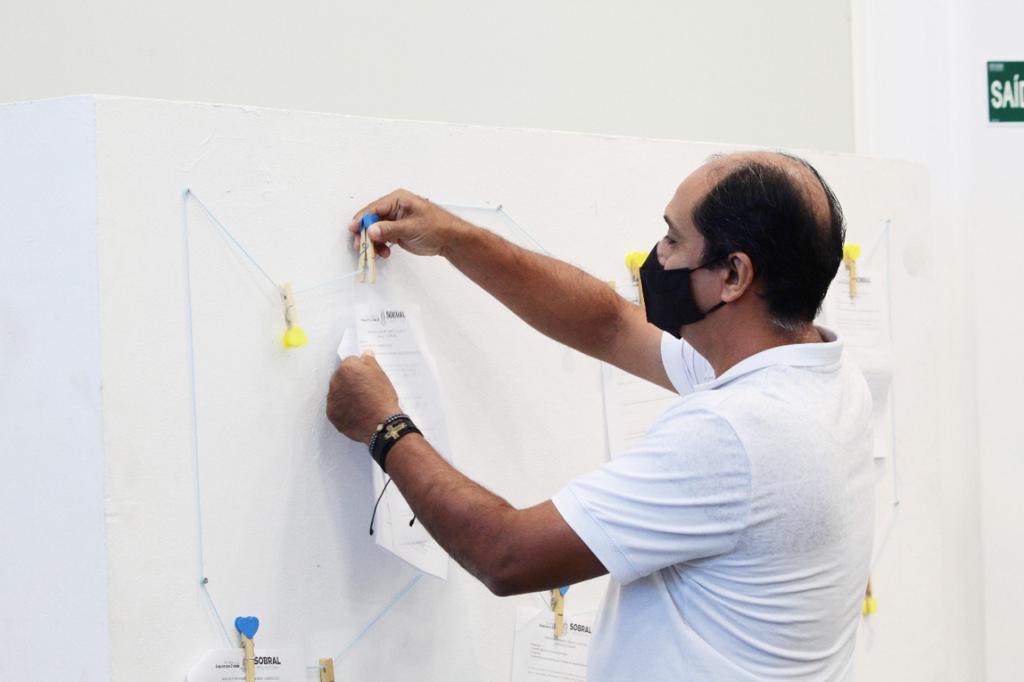
As part of the process, multiple dialogue sessions with street vendors were organized, along with trust-building activities and the systematic mapping of their needs and interests. These efforts aimed to create conditions for negotiation and to better understand how public management could respond more effectively and inclusively.
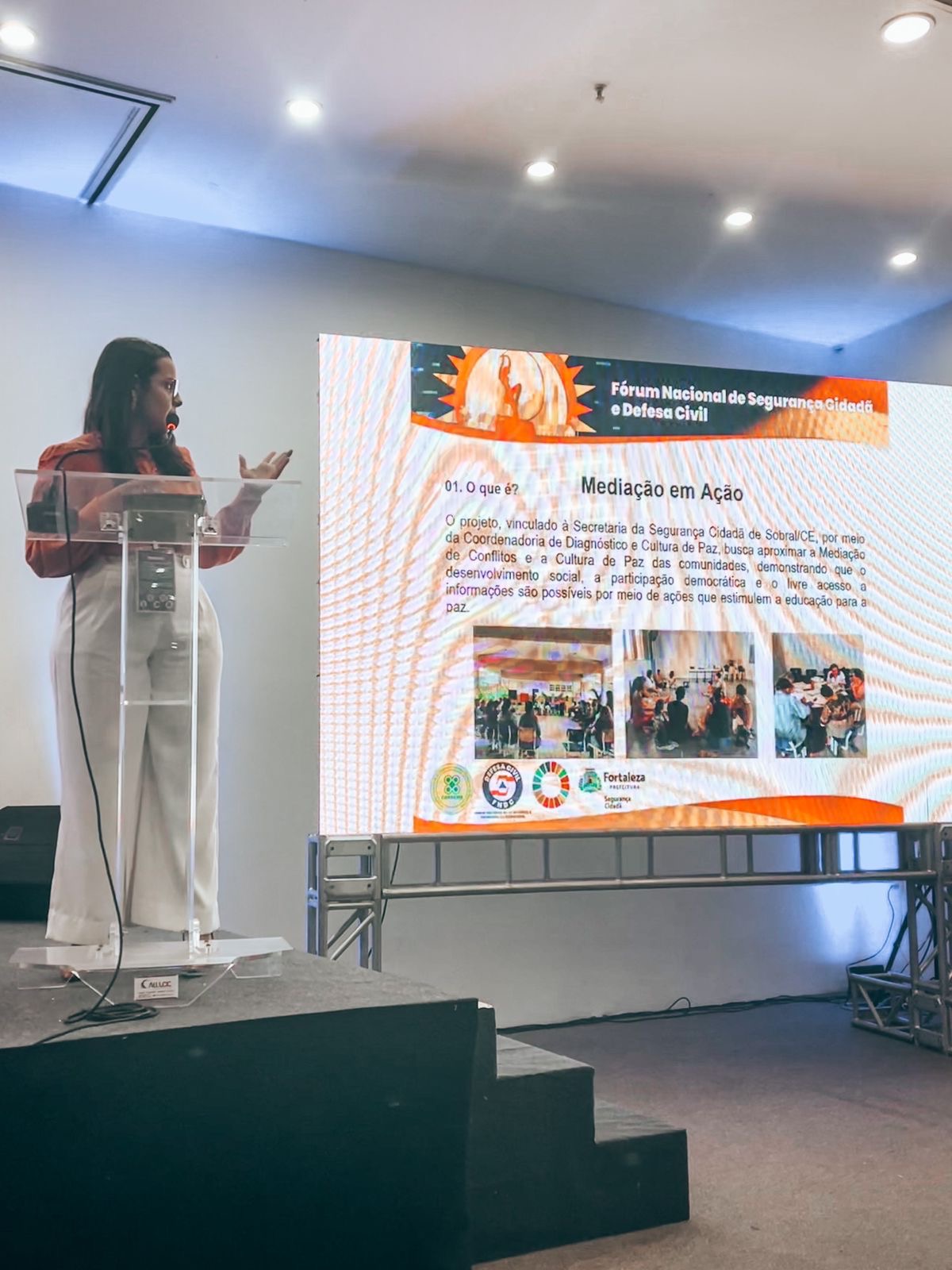
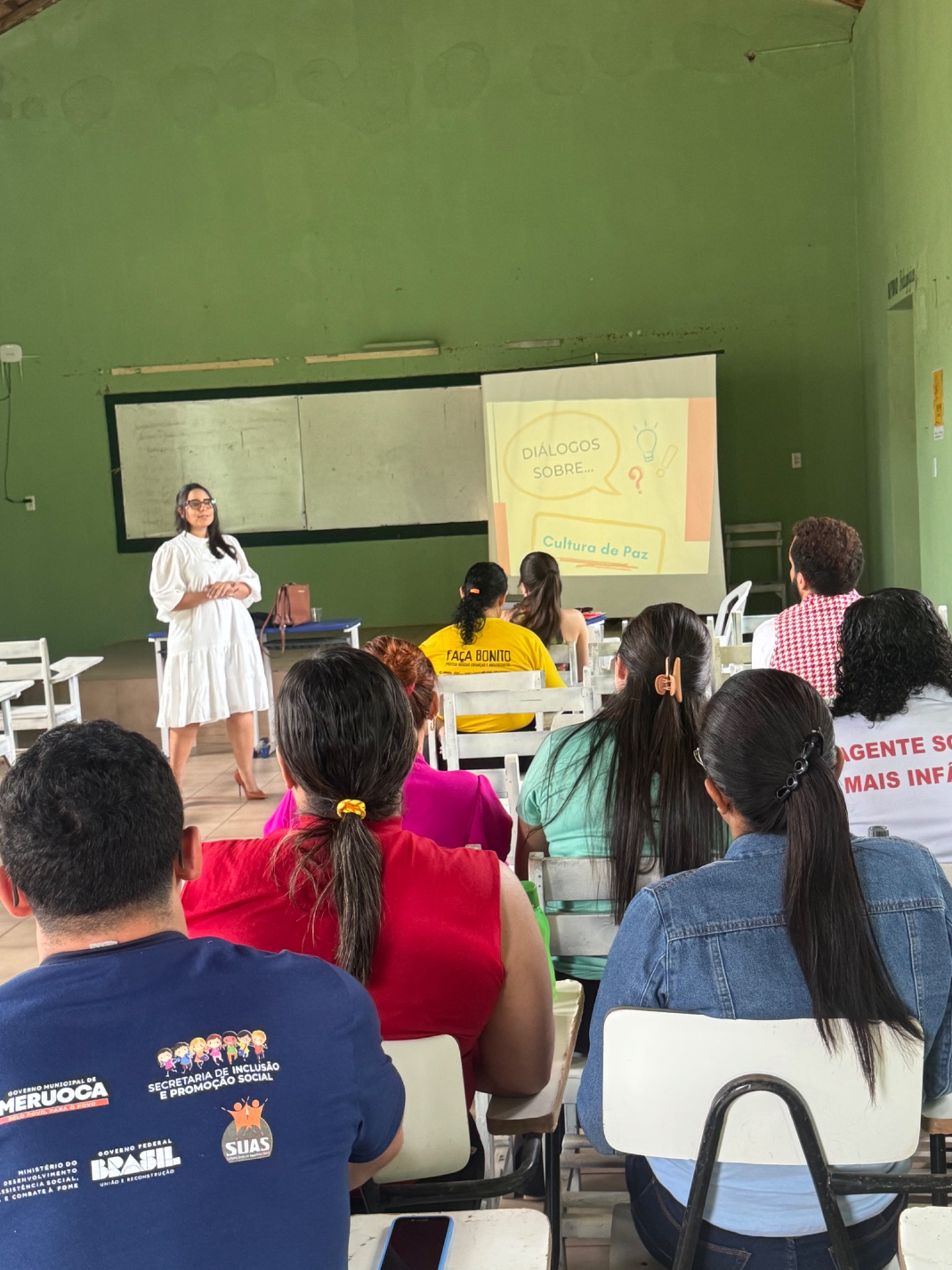
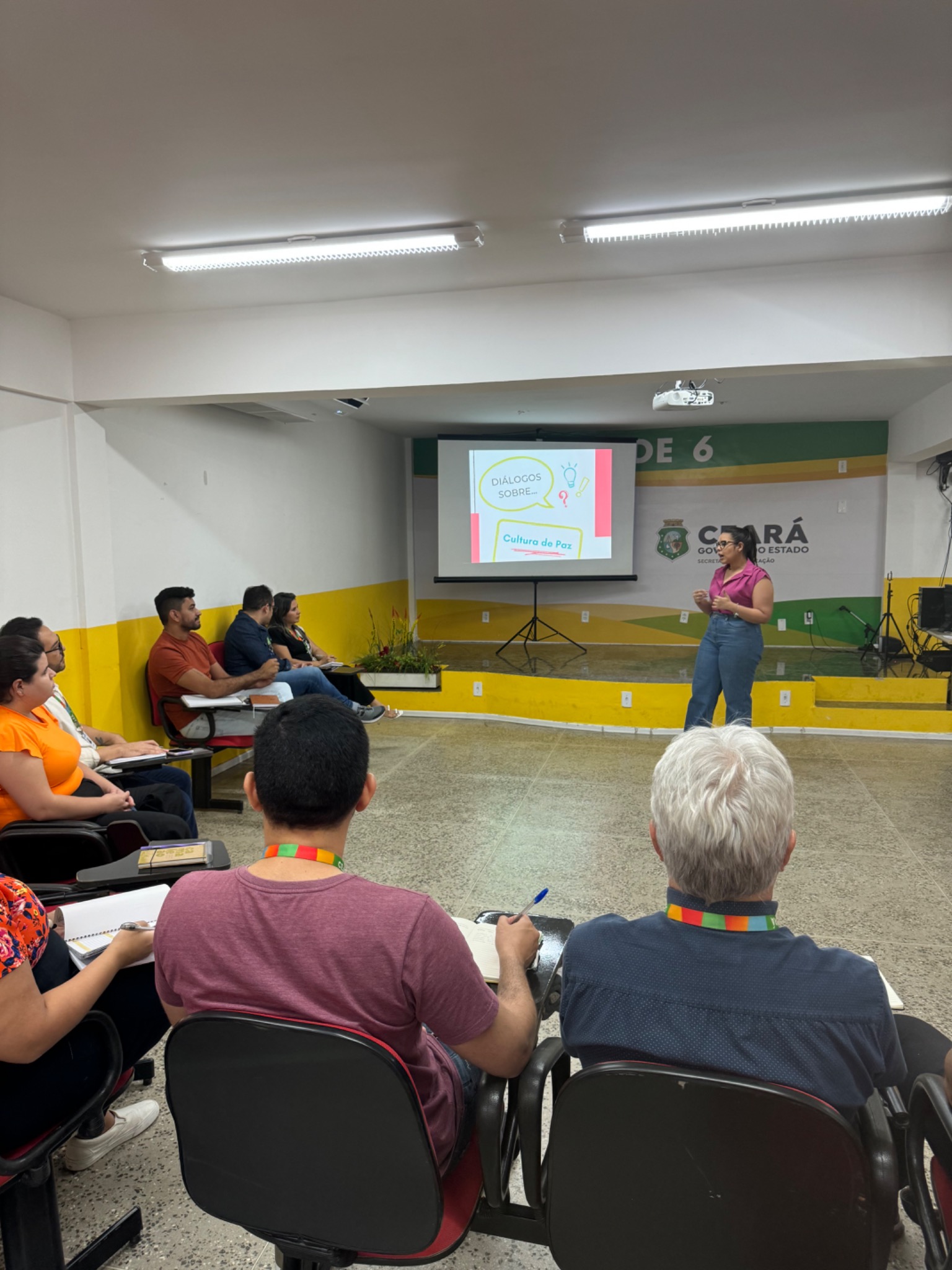
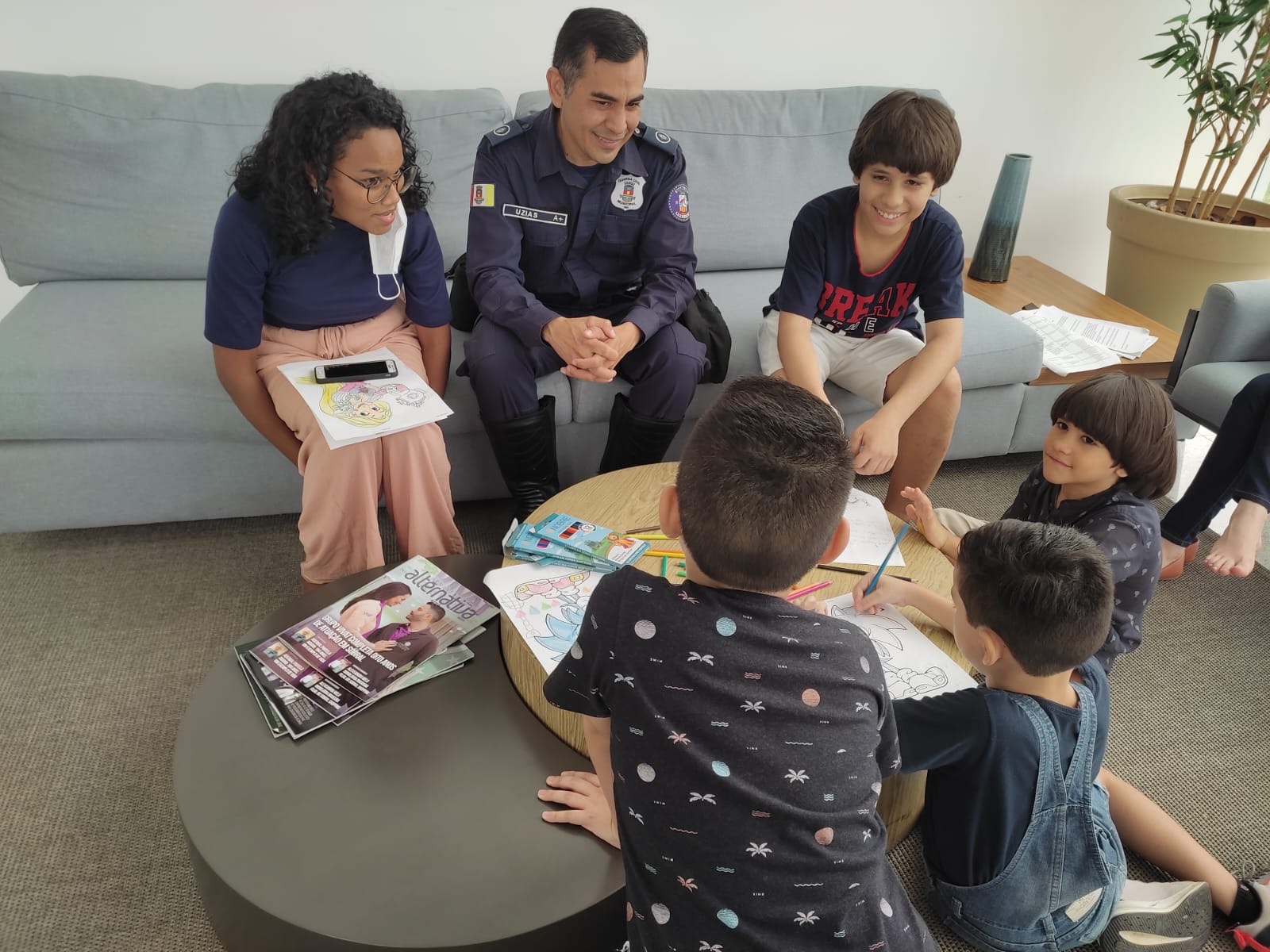
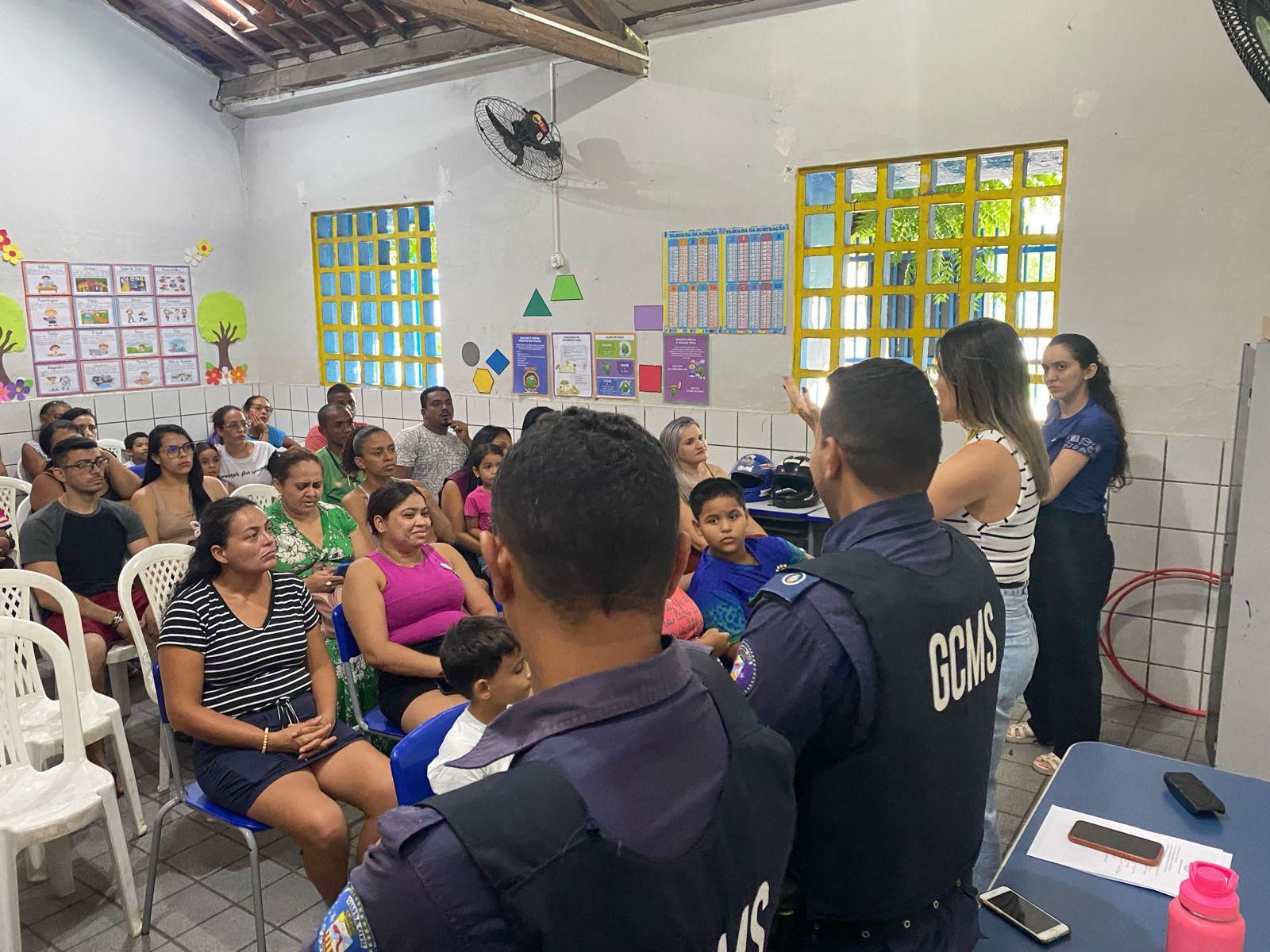
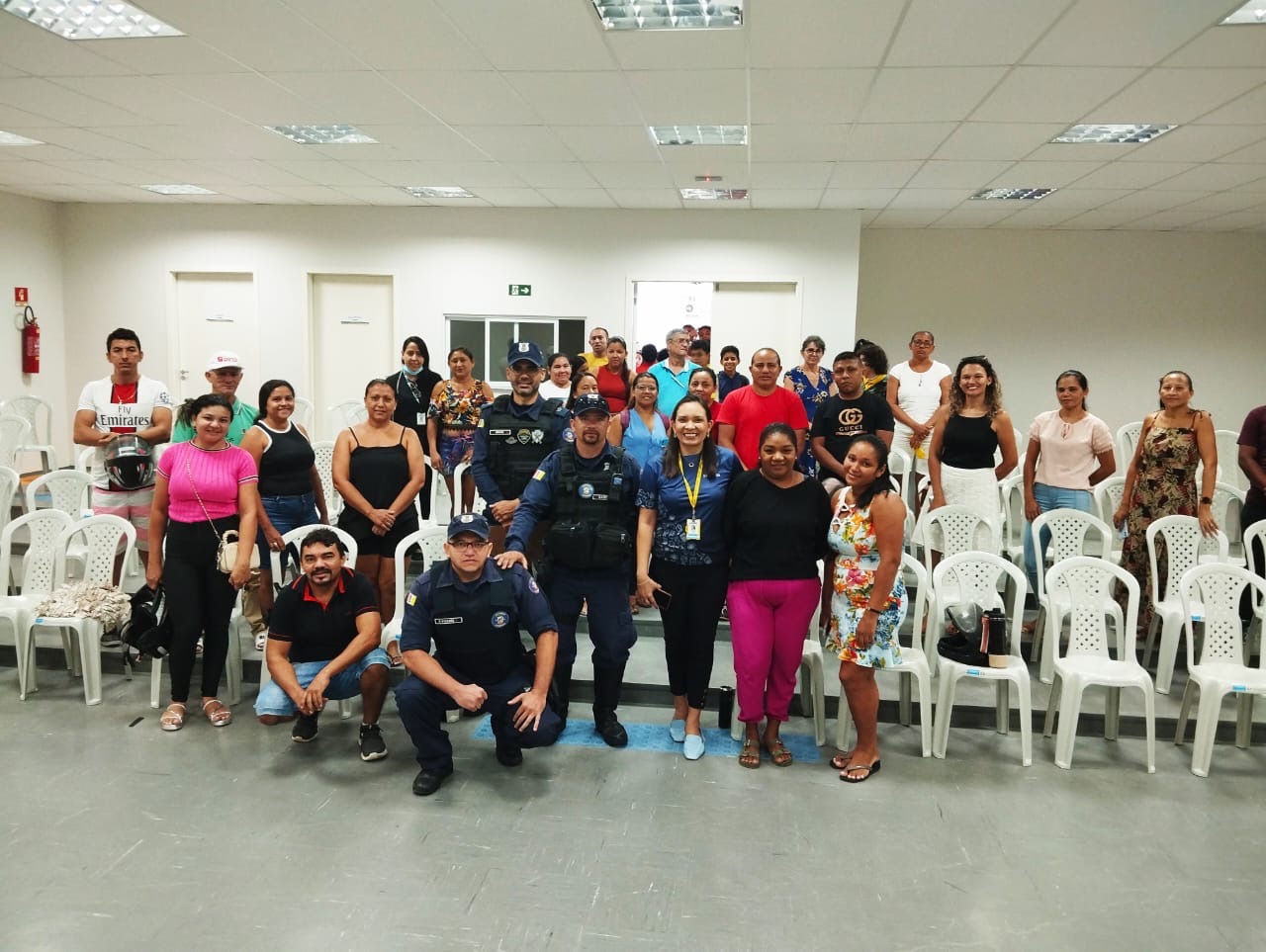
The “Mediation in Action” project aims to bring conflict mediation and the Culture of Peace closer to local communities, promoting both personal and social development through a better understanding of conflicts and their broader social context.
The initiative focuses on fostering peace education, democratic participation, and access to information through three main components:
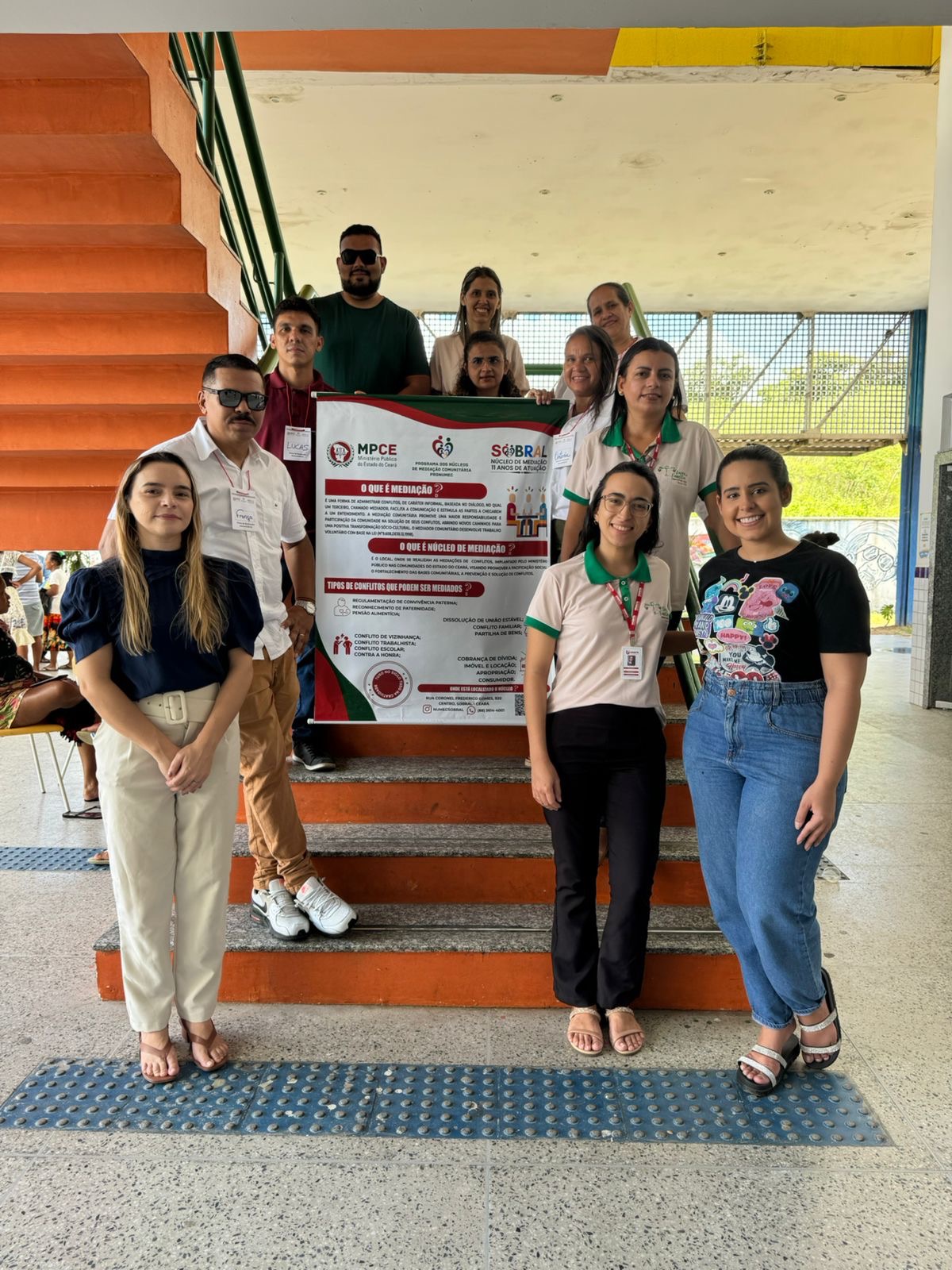
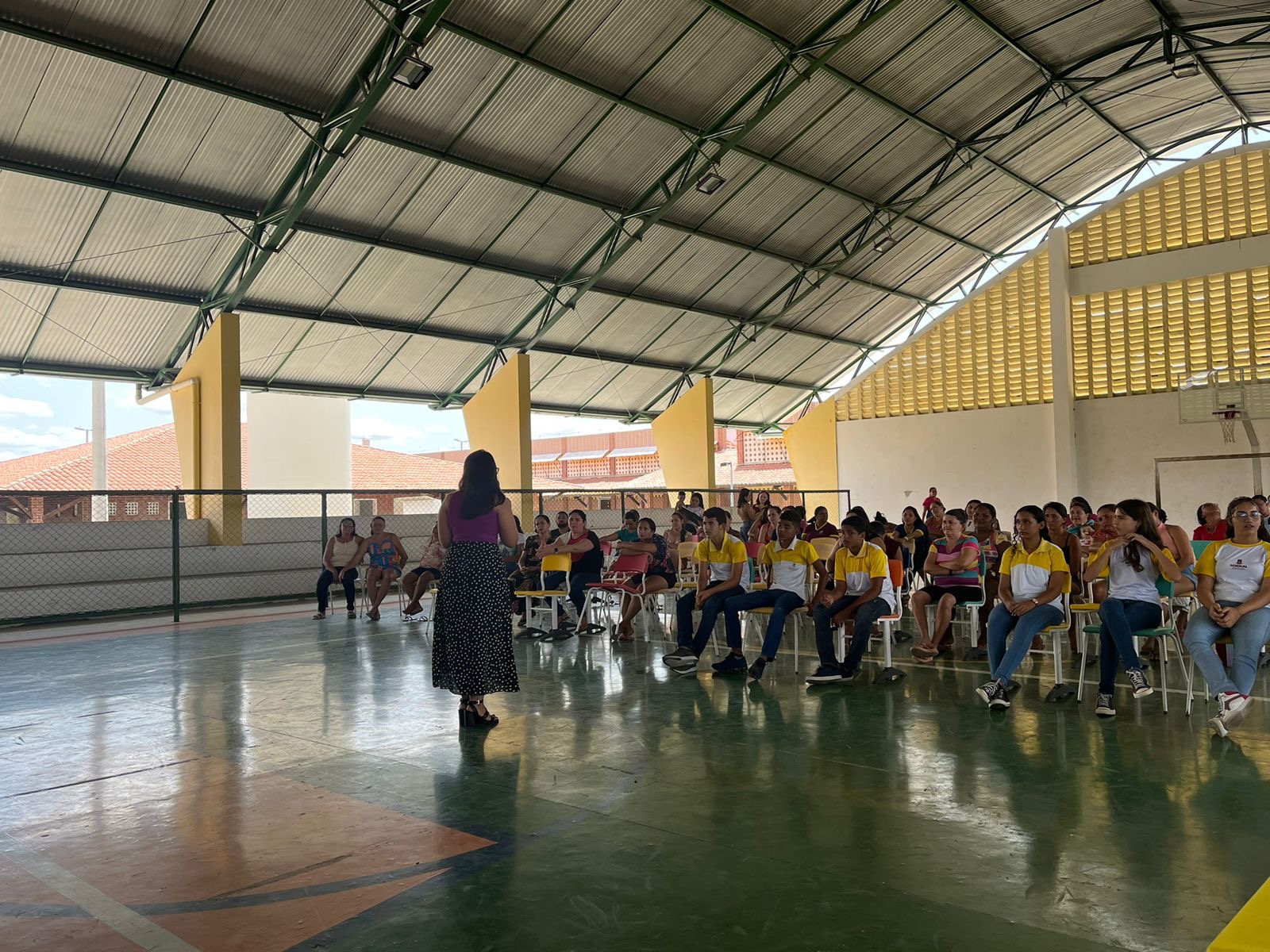
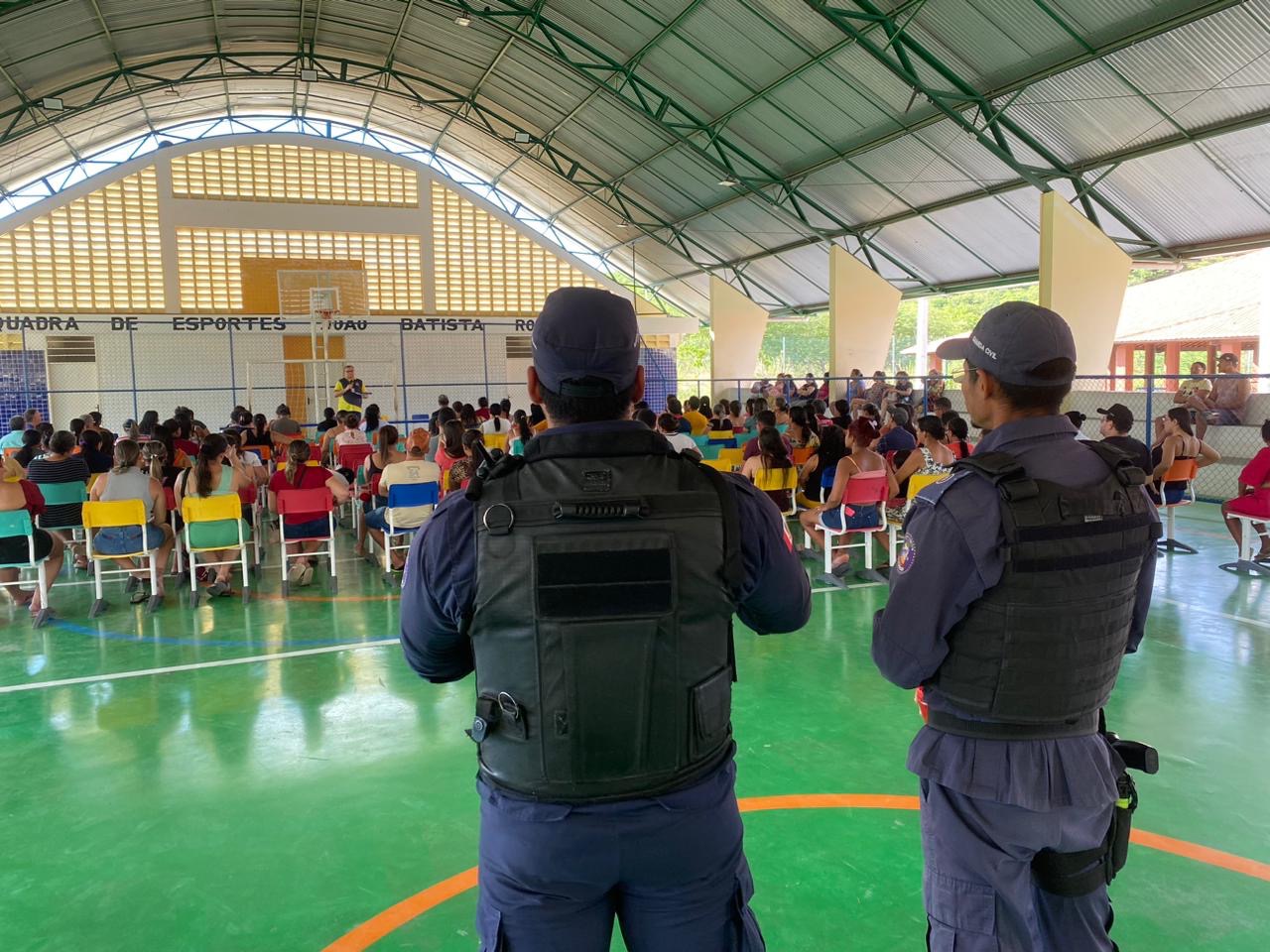
Informative action on conflict mediation for the community.
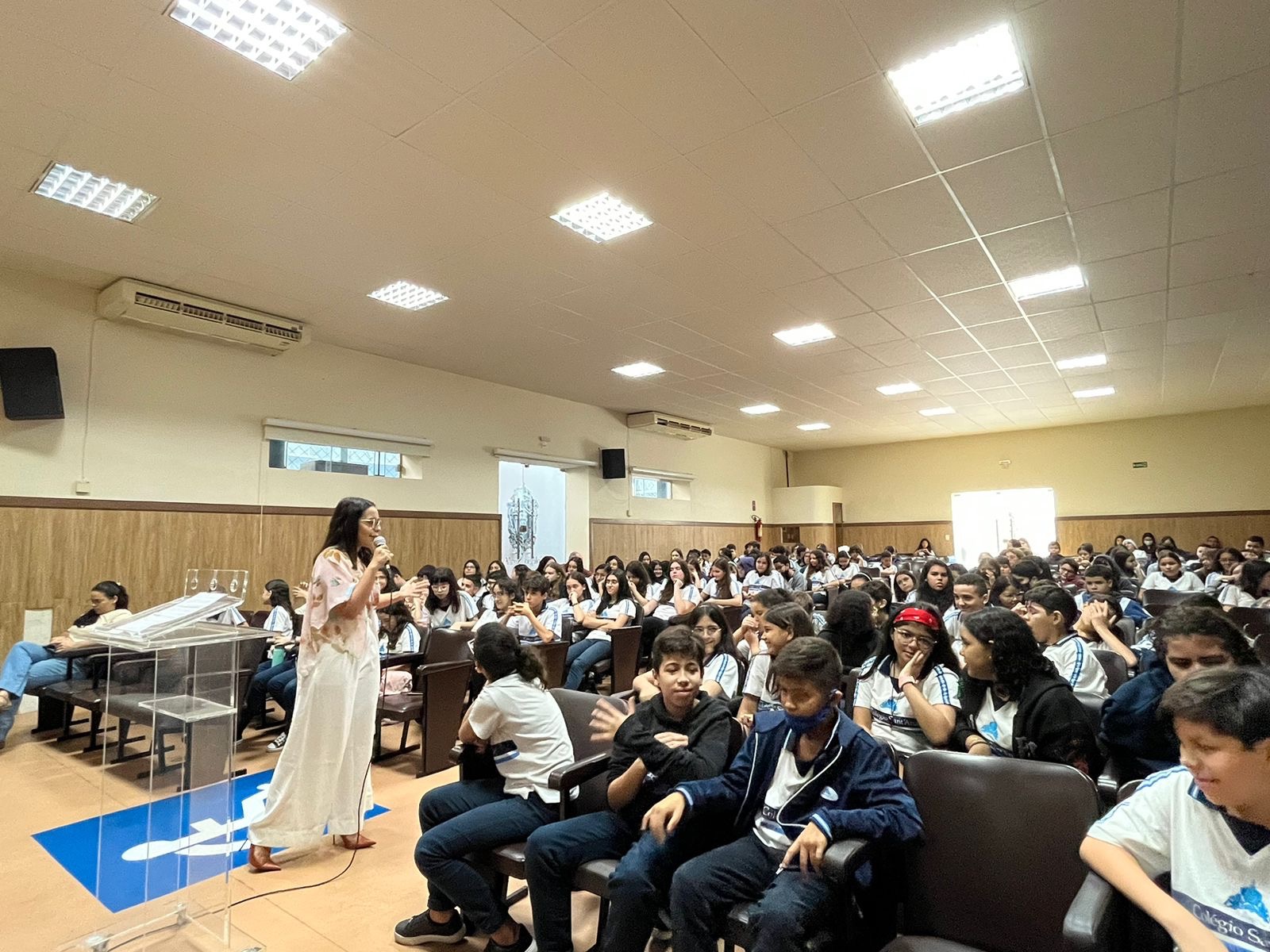
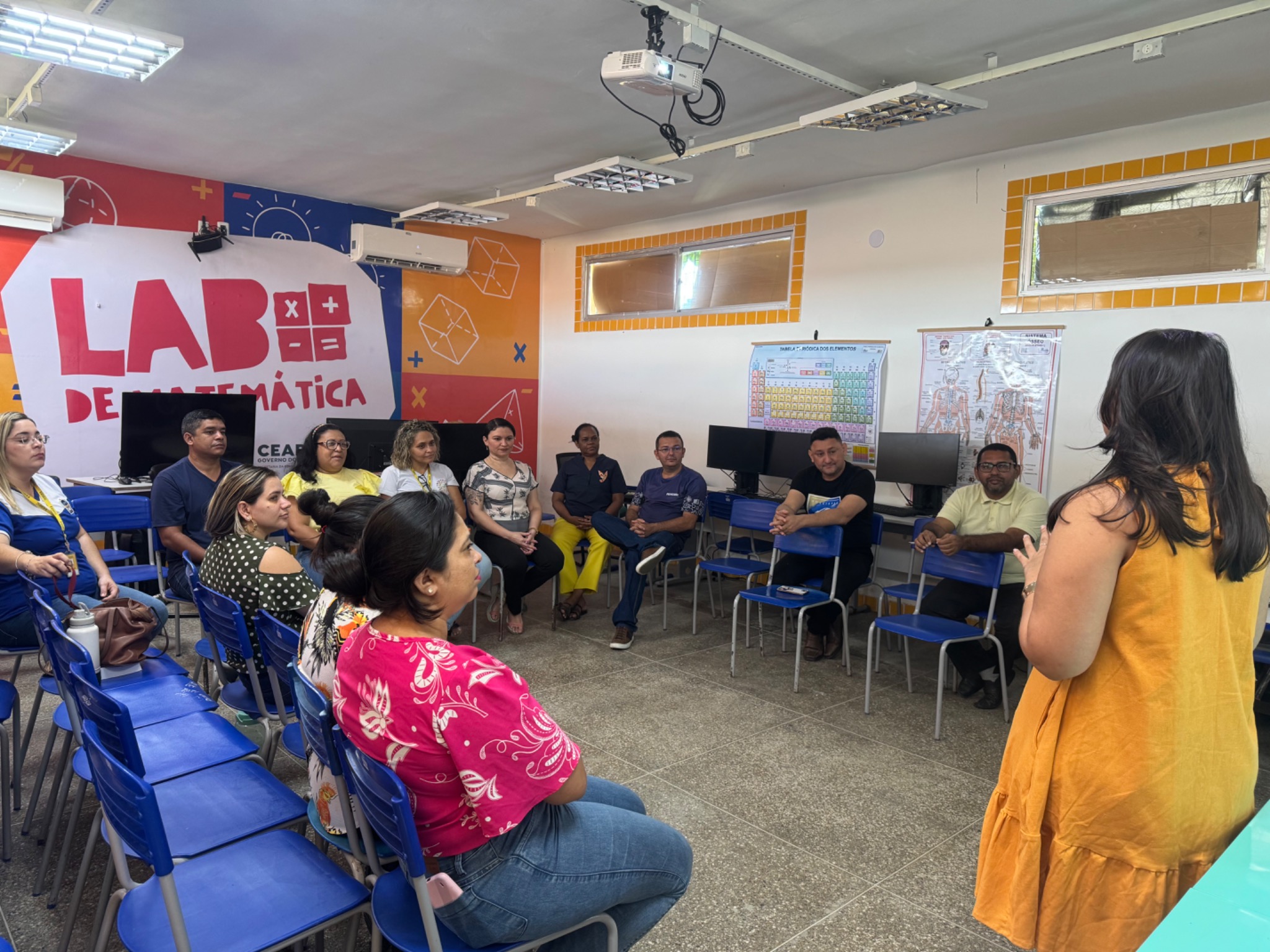
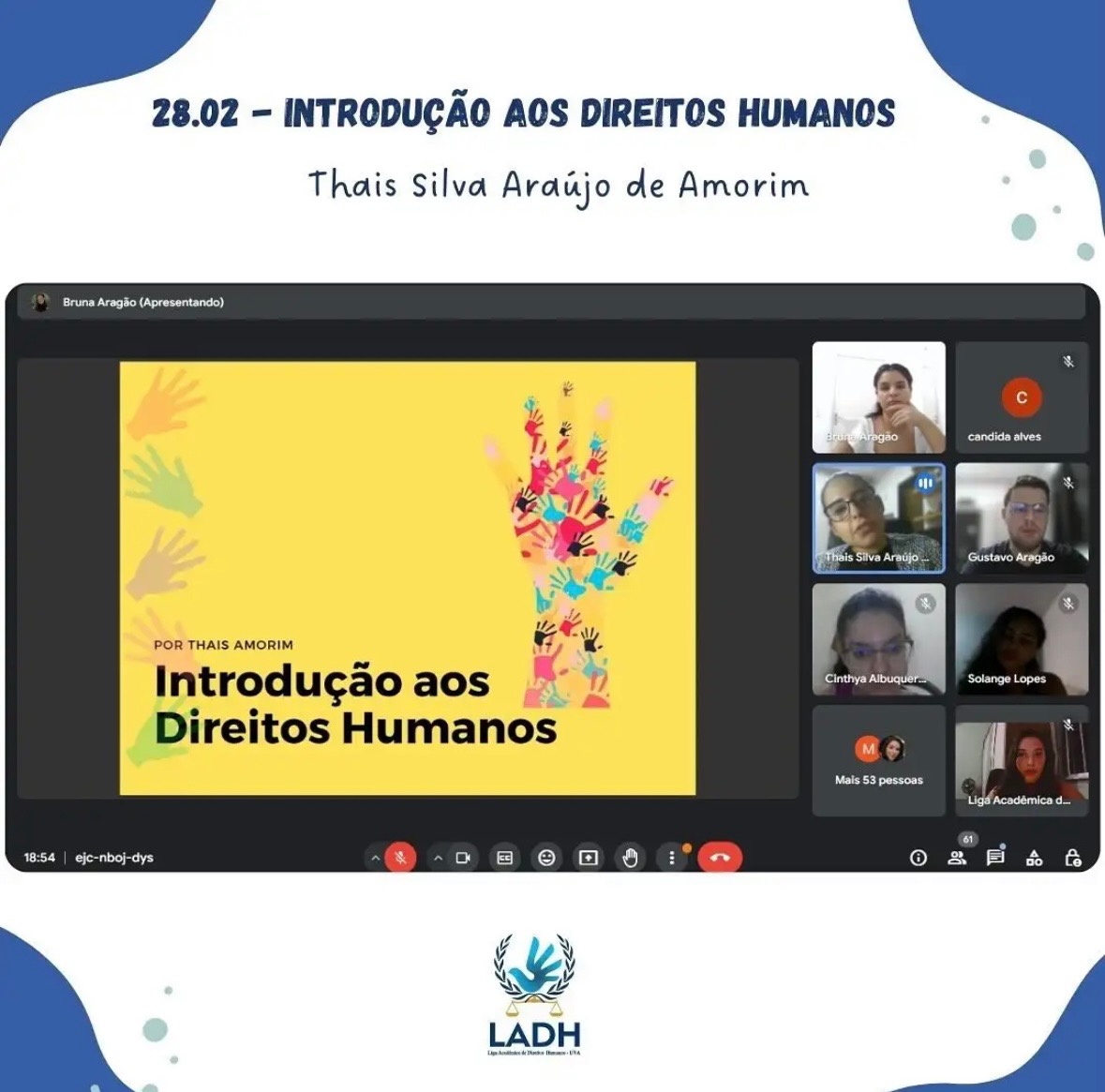
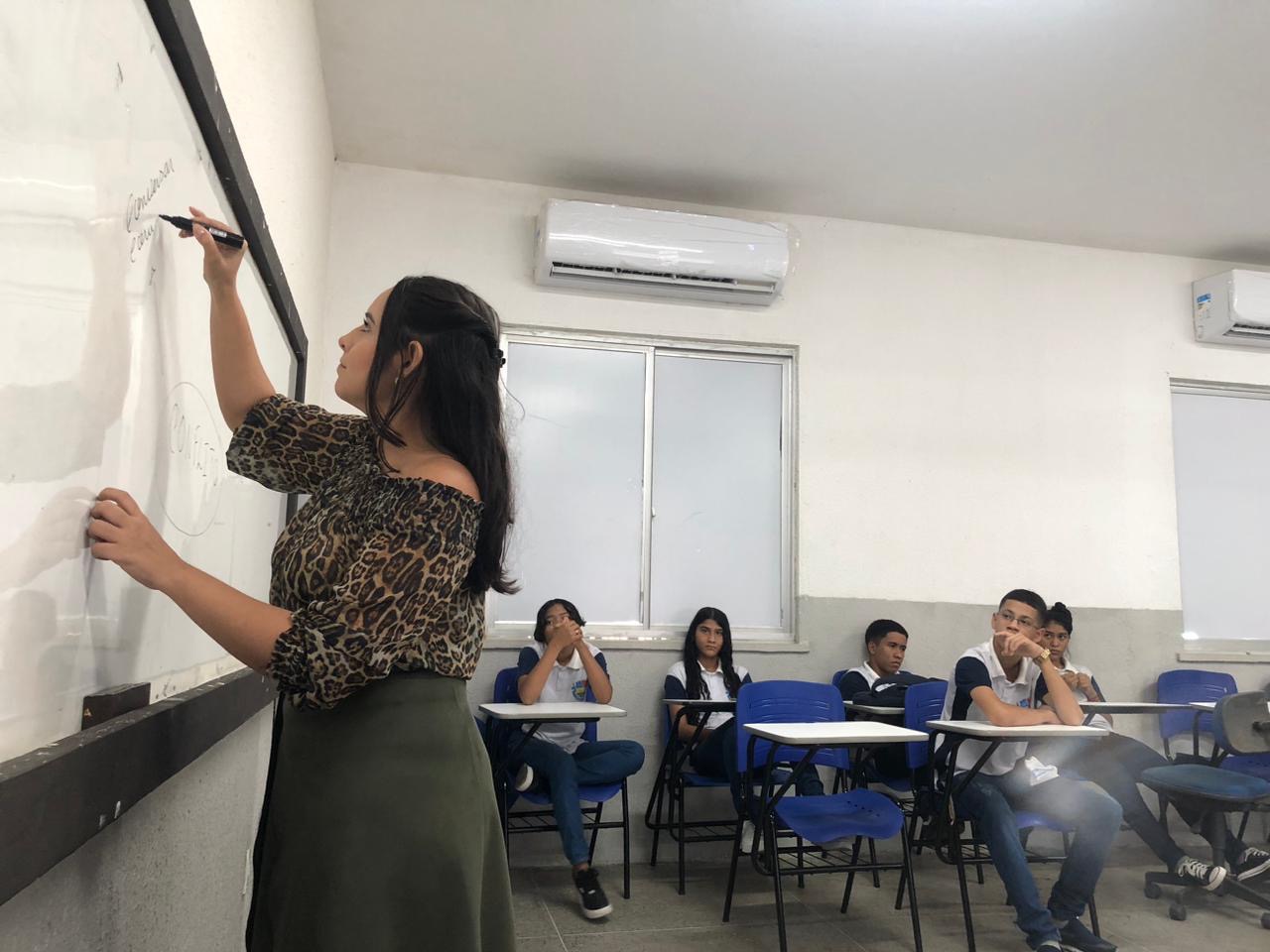
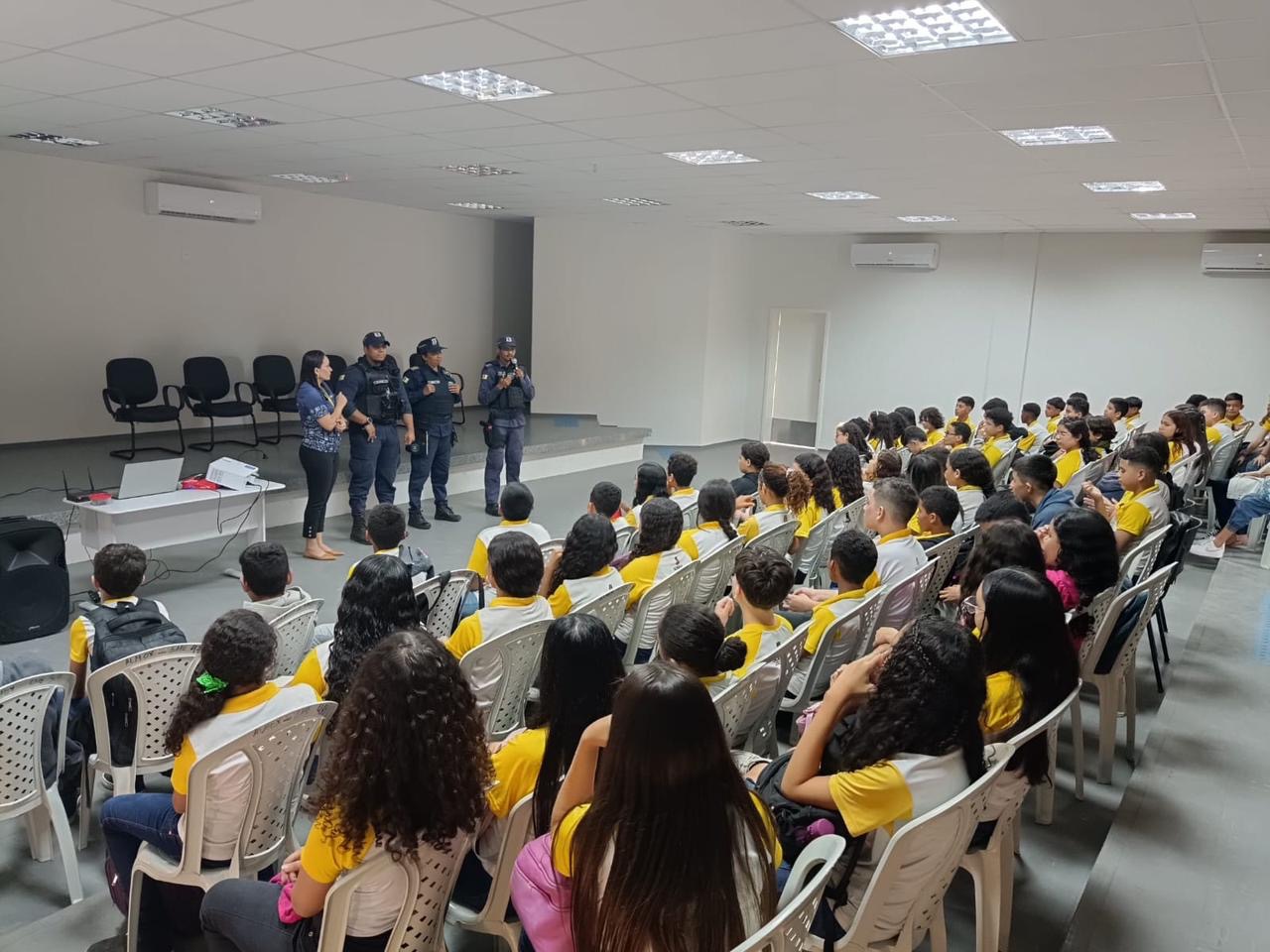
Informative dialogue about mediation and its possibilities in the school context.
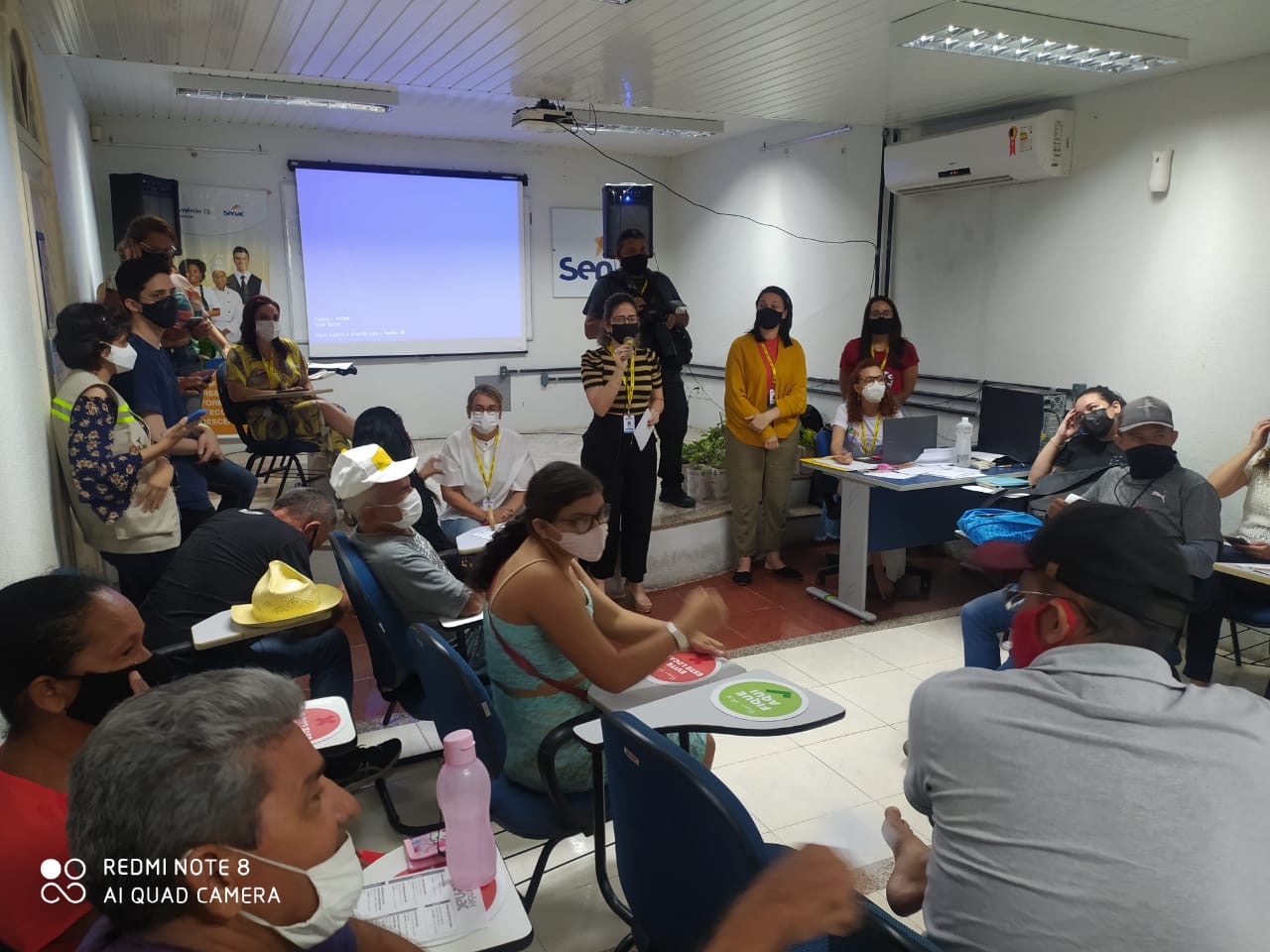
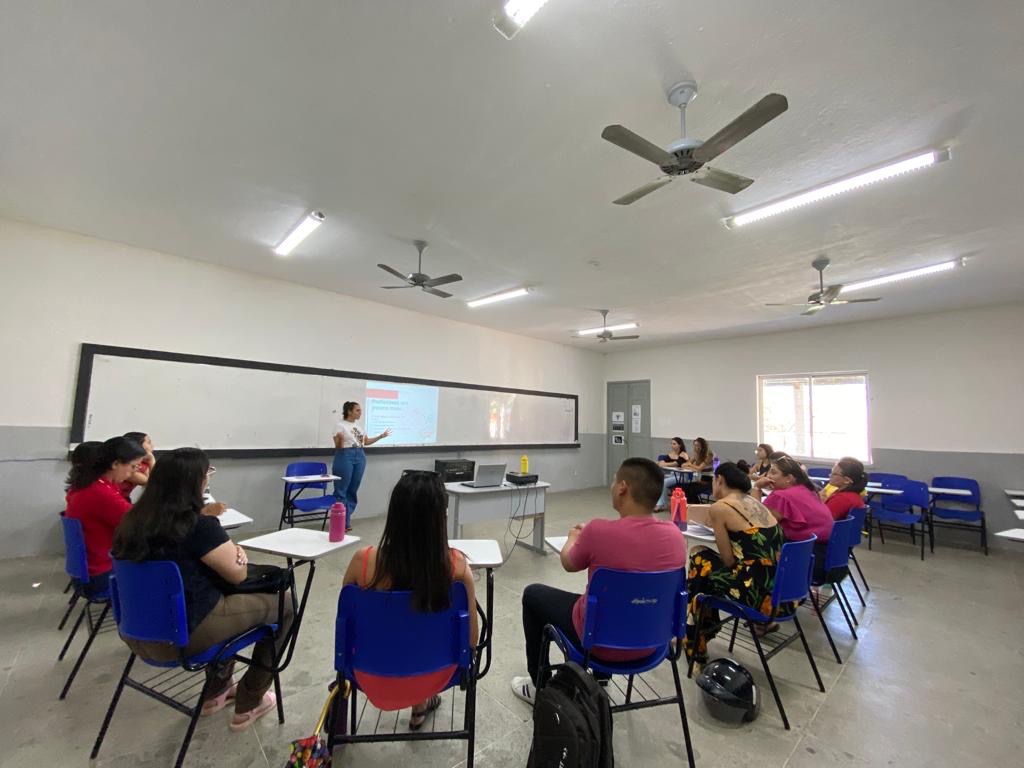
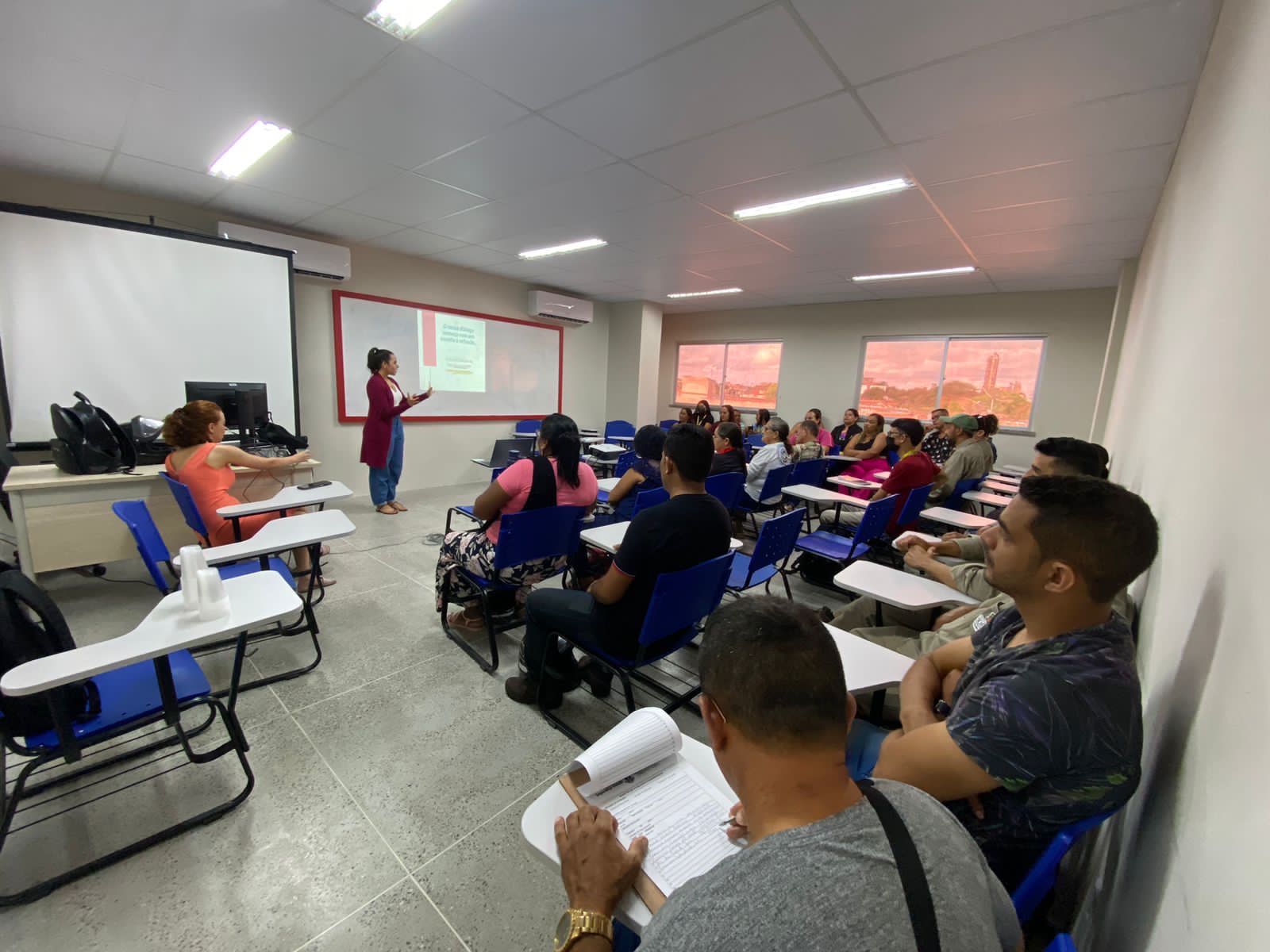
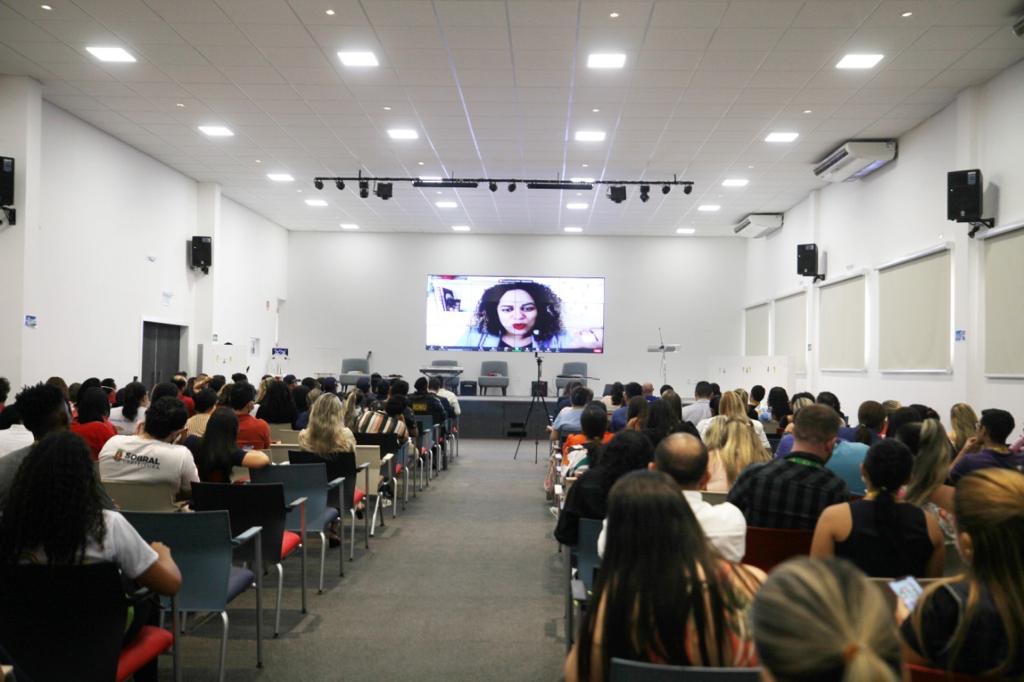
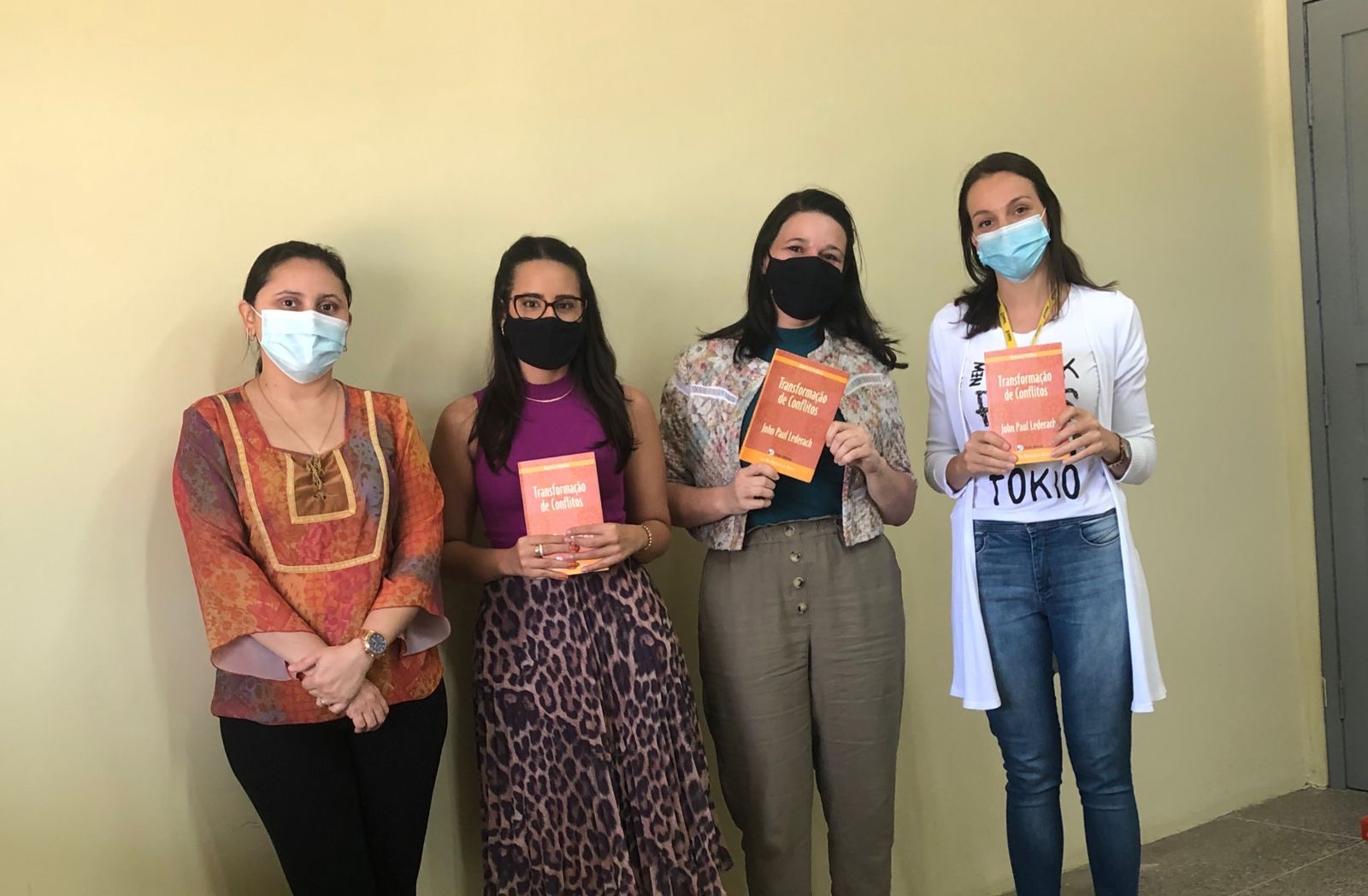
Lecture given to young apprentices from the National Commerce Apprenticeship Service (Senac).
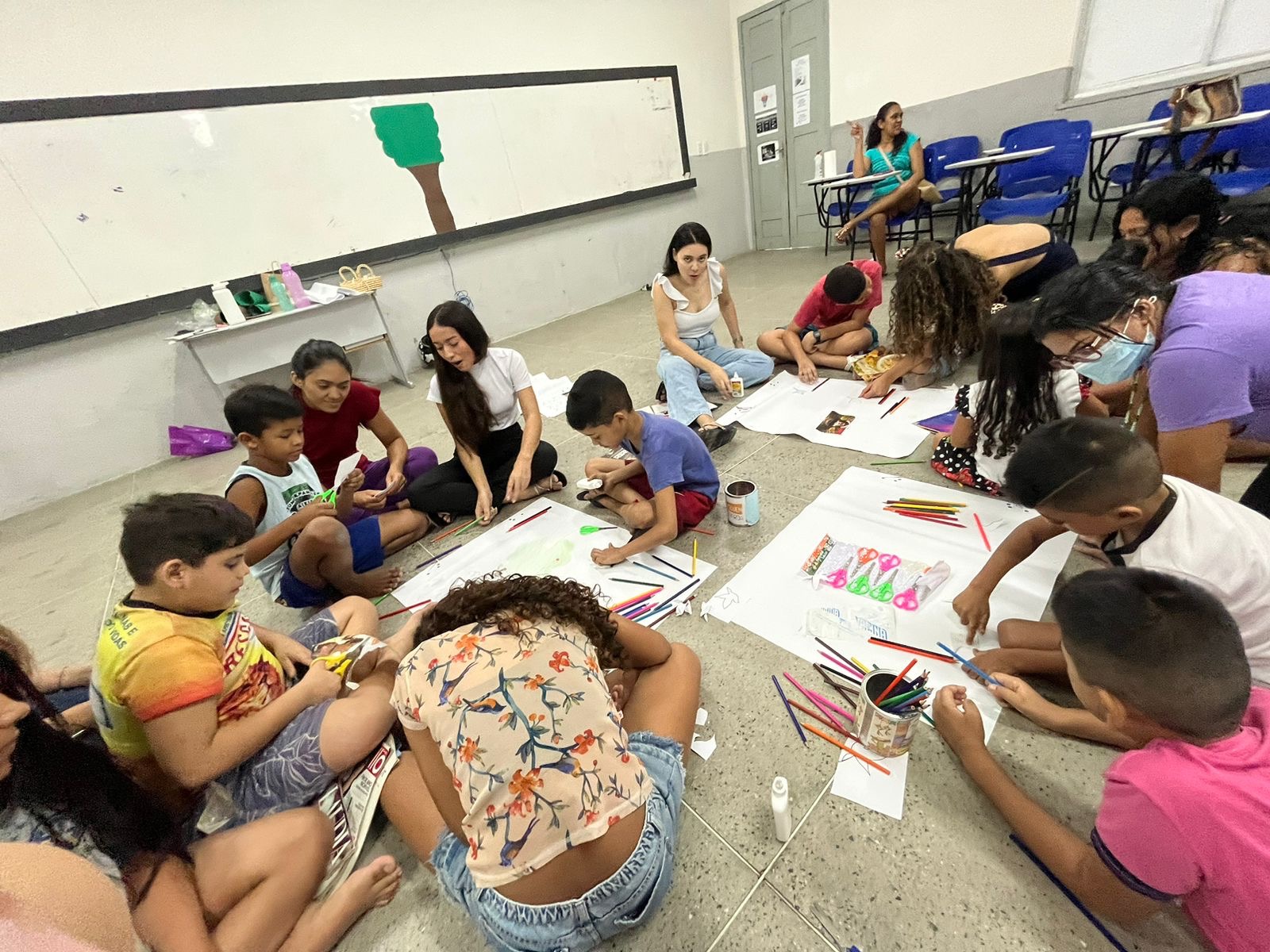
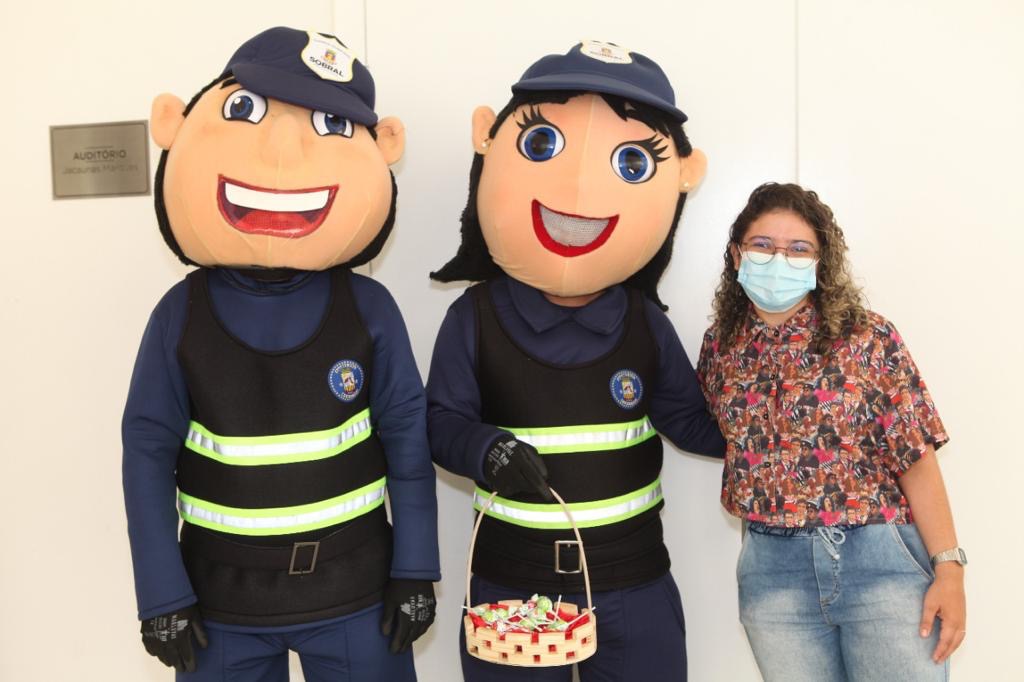
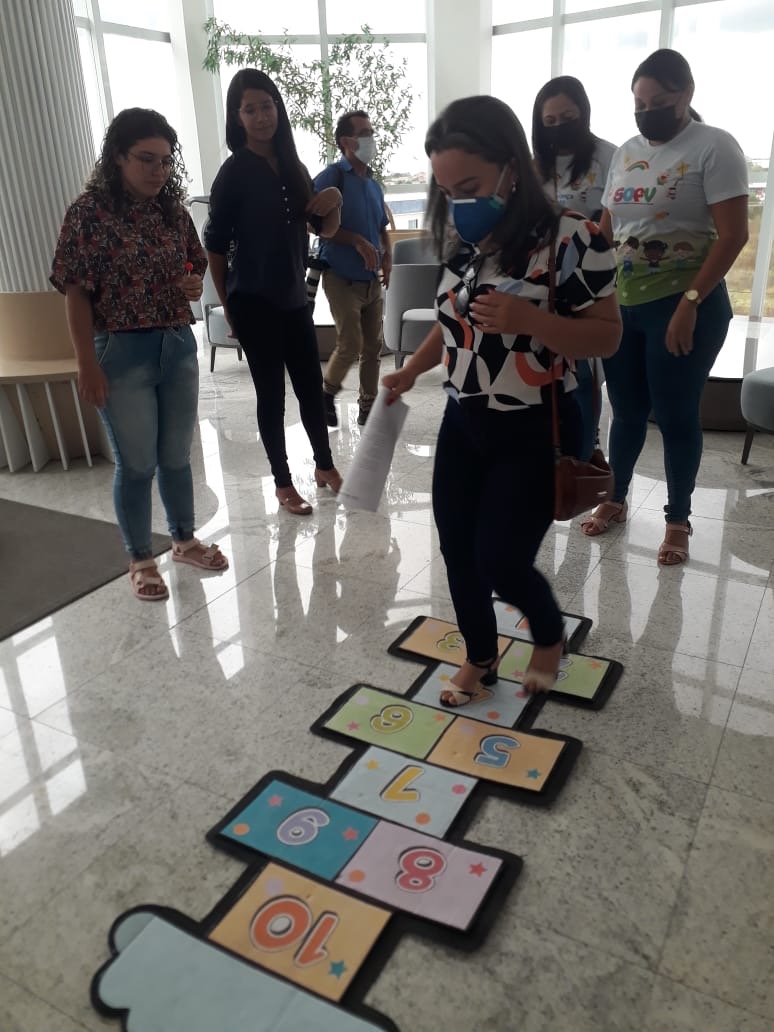
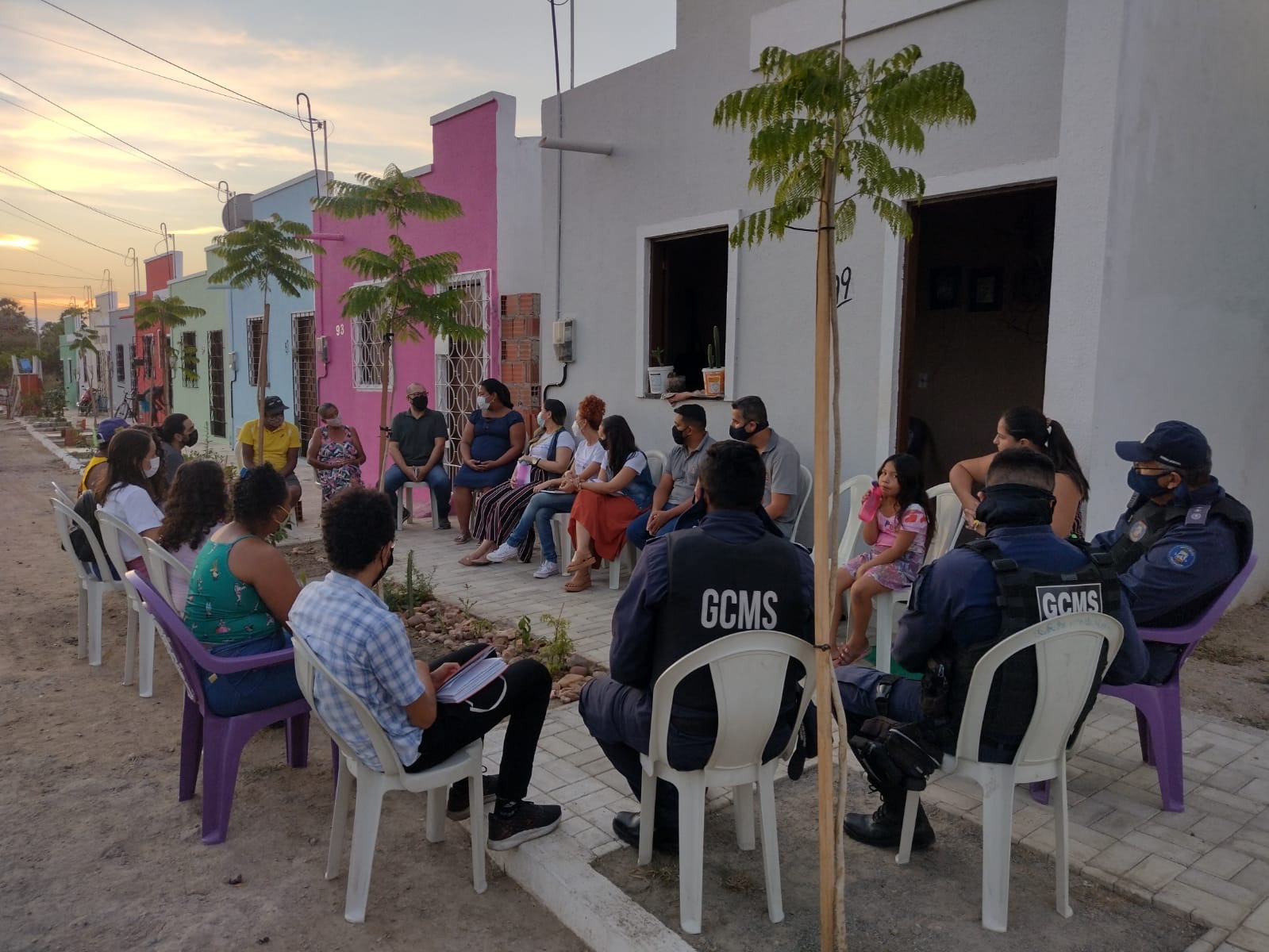
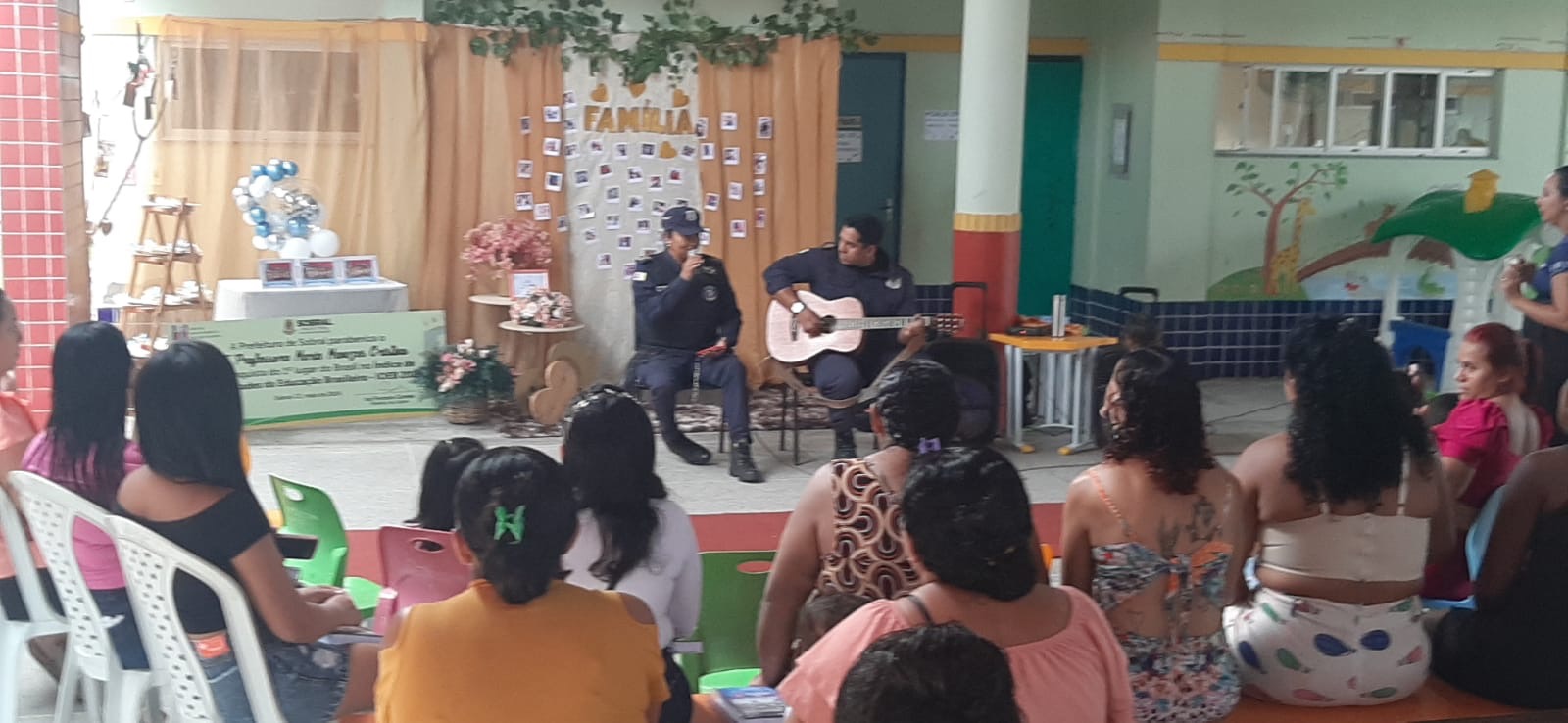
Event organized by the team from the Diagnosis and Culture of Peace Coordination (of which I am part) in partnership with the Municipal Civil Guard and Citizenship Coordination. The event included assistance from the municipality's mediation centers, collaborative games, art and music and plant donations. The objective was to encourage a Culture of Peace in the community.
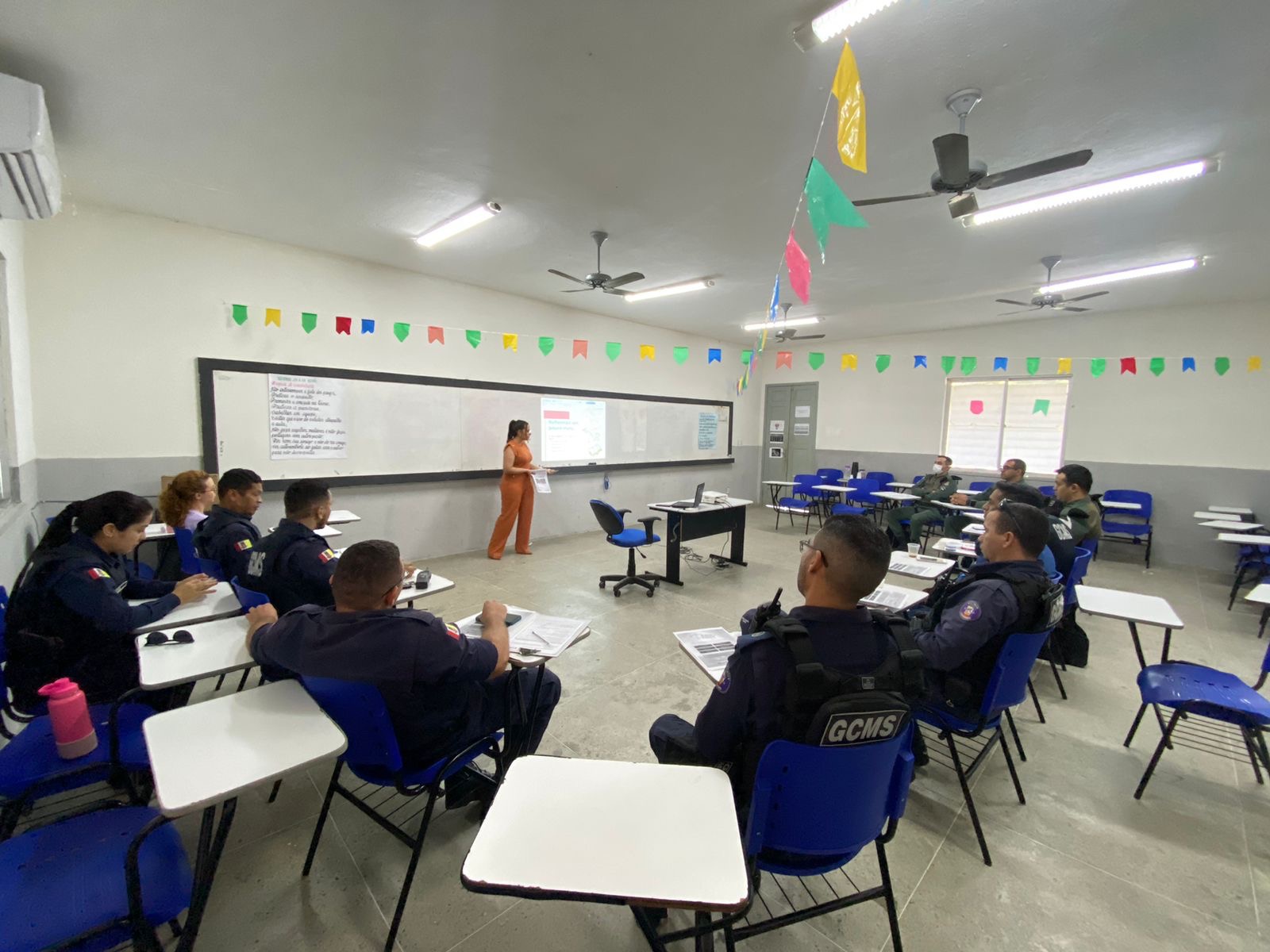
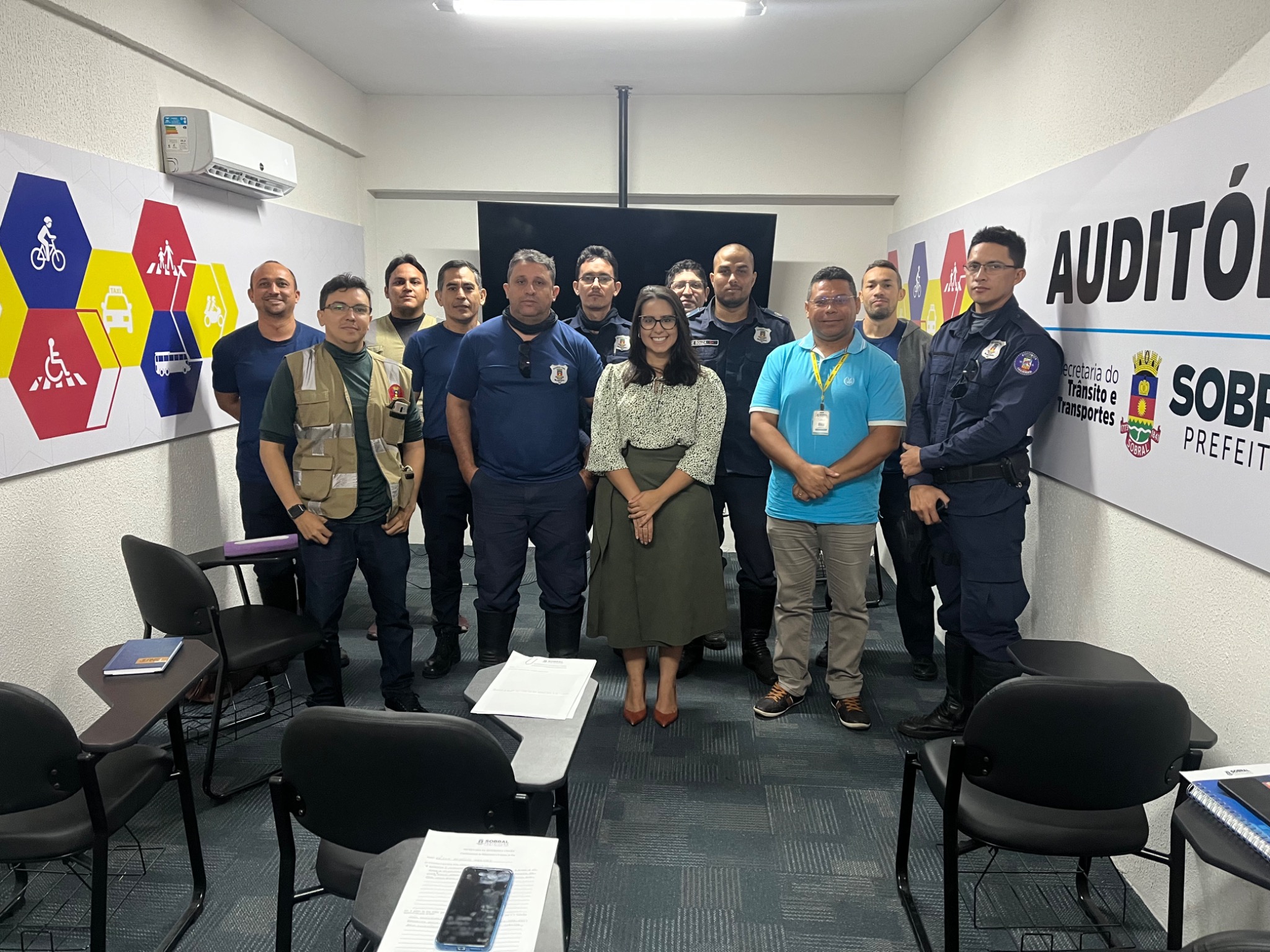
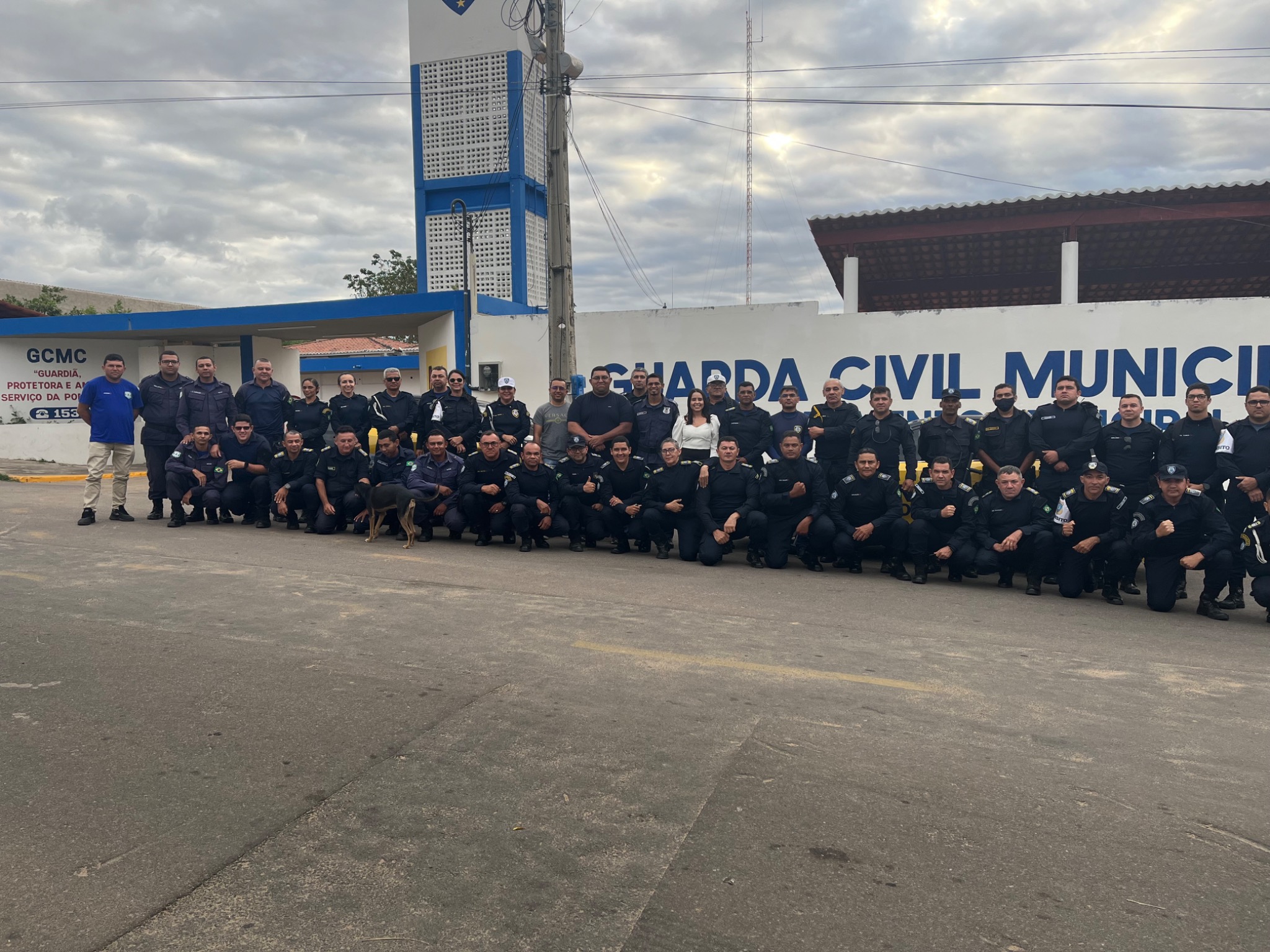
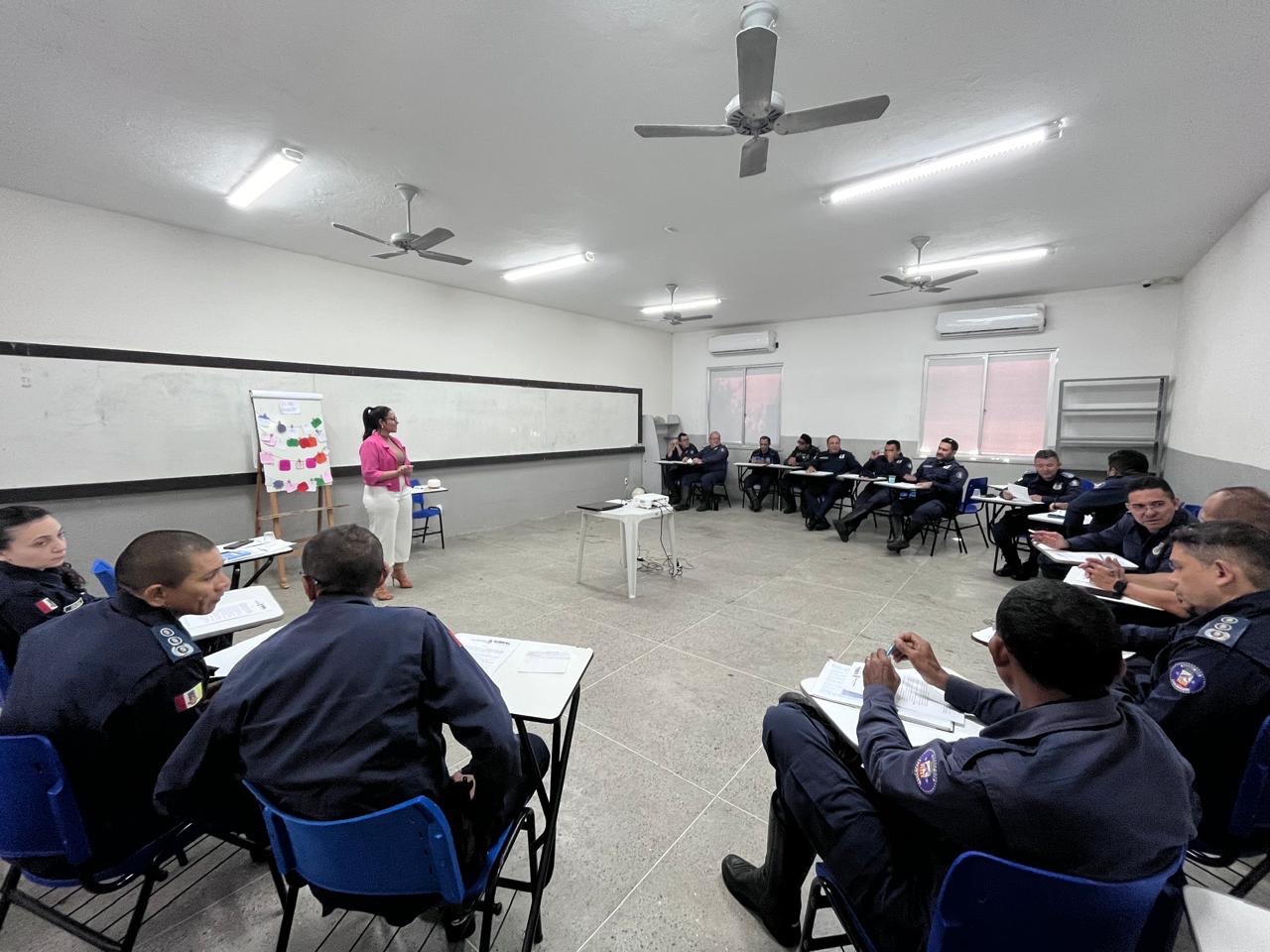
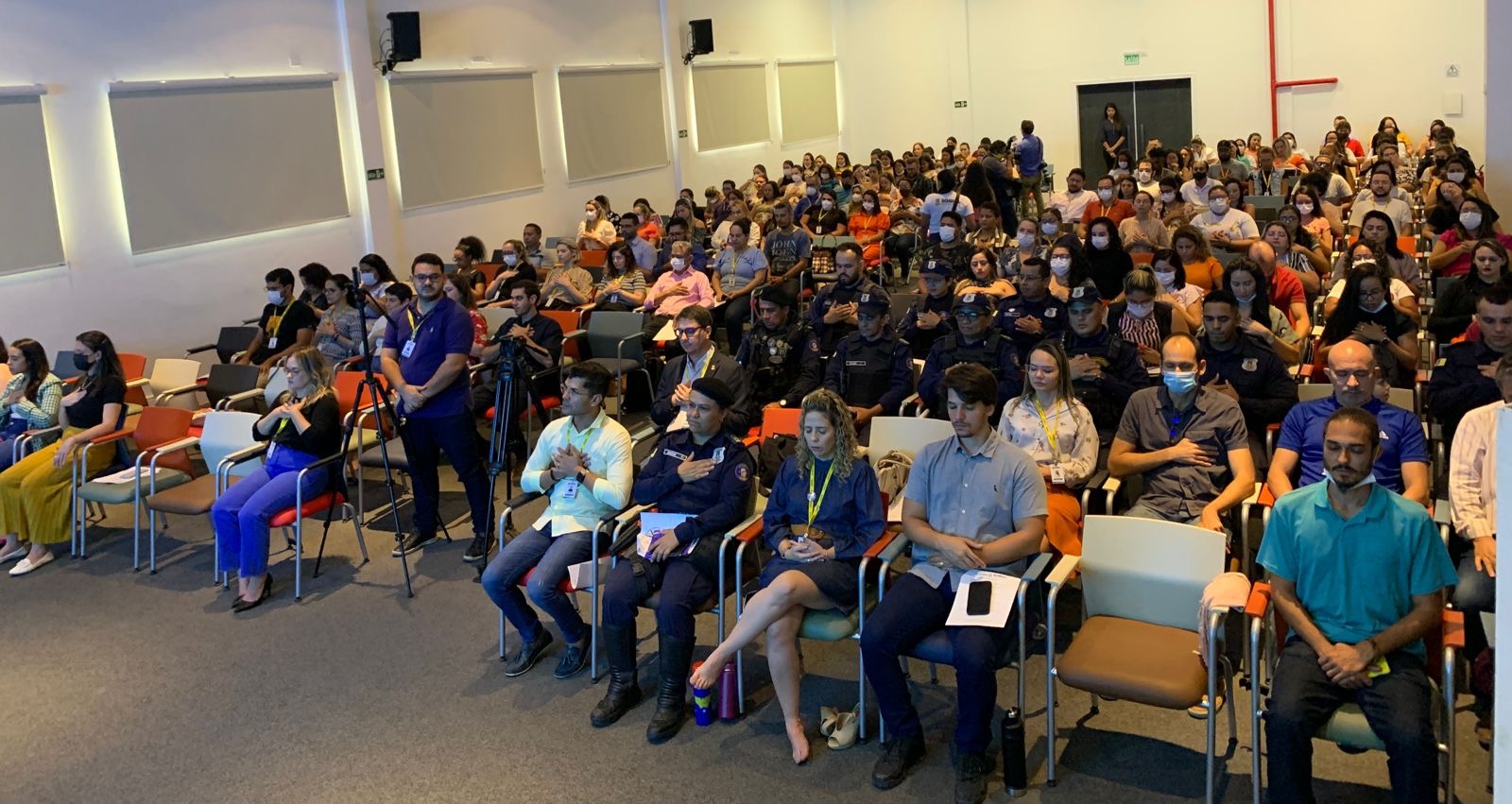
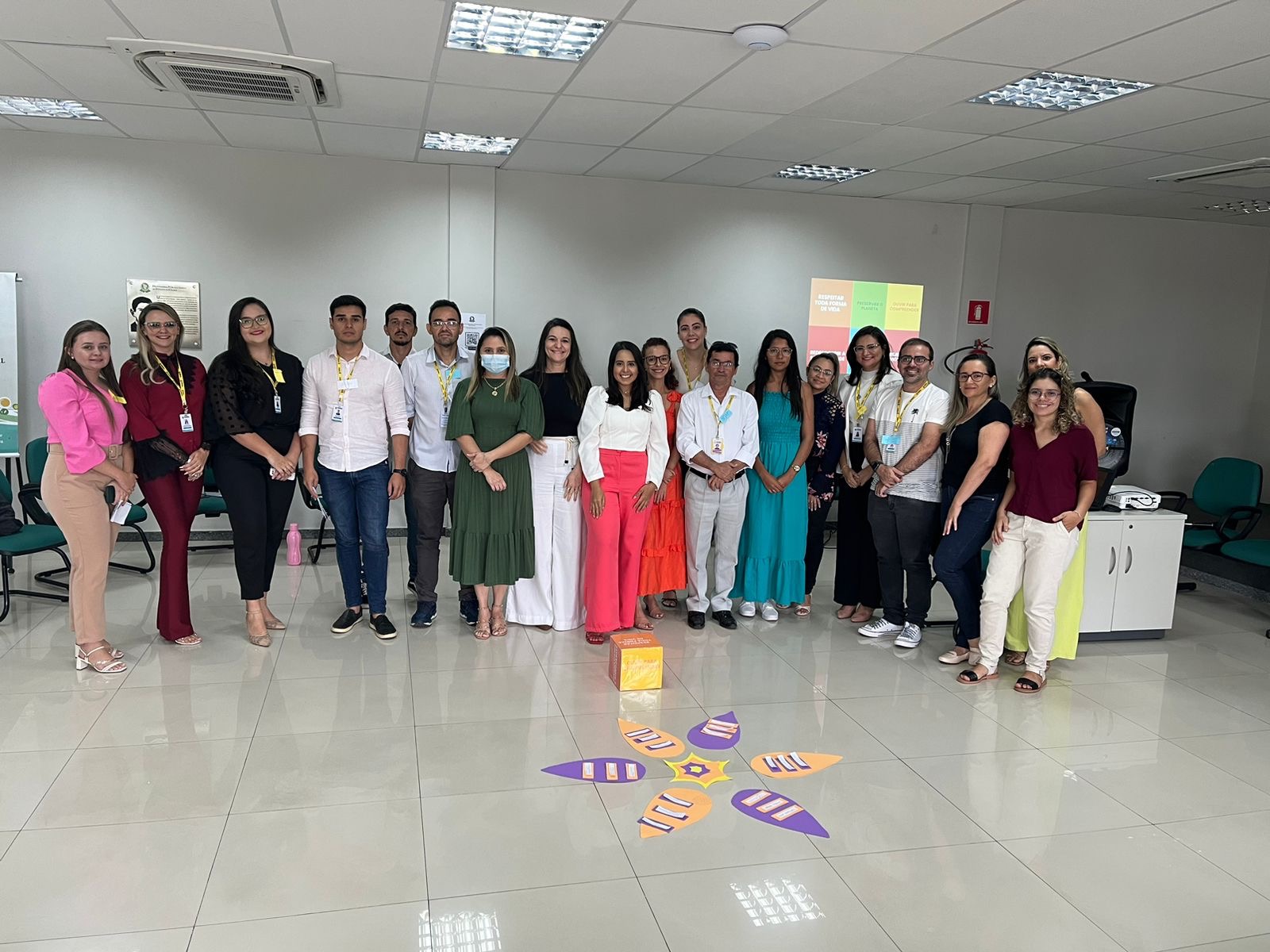
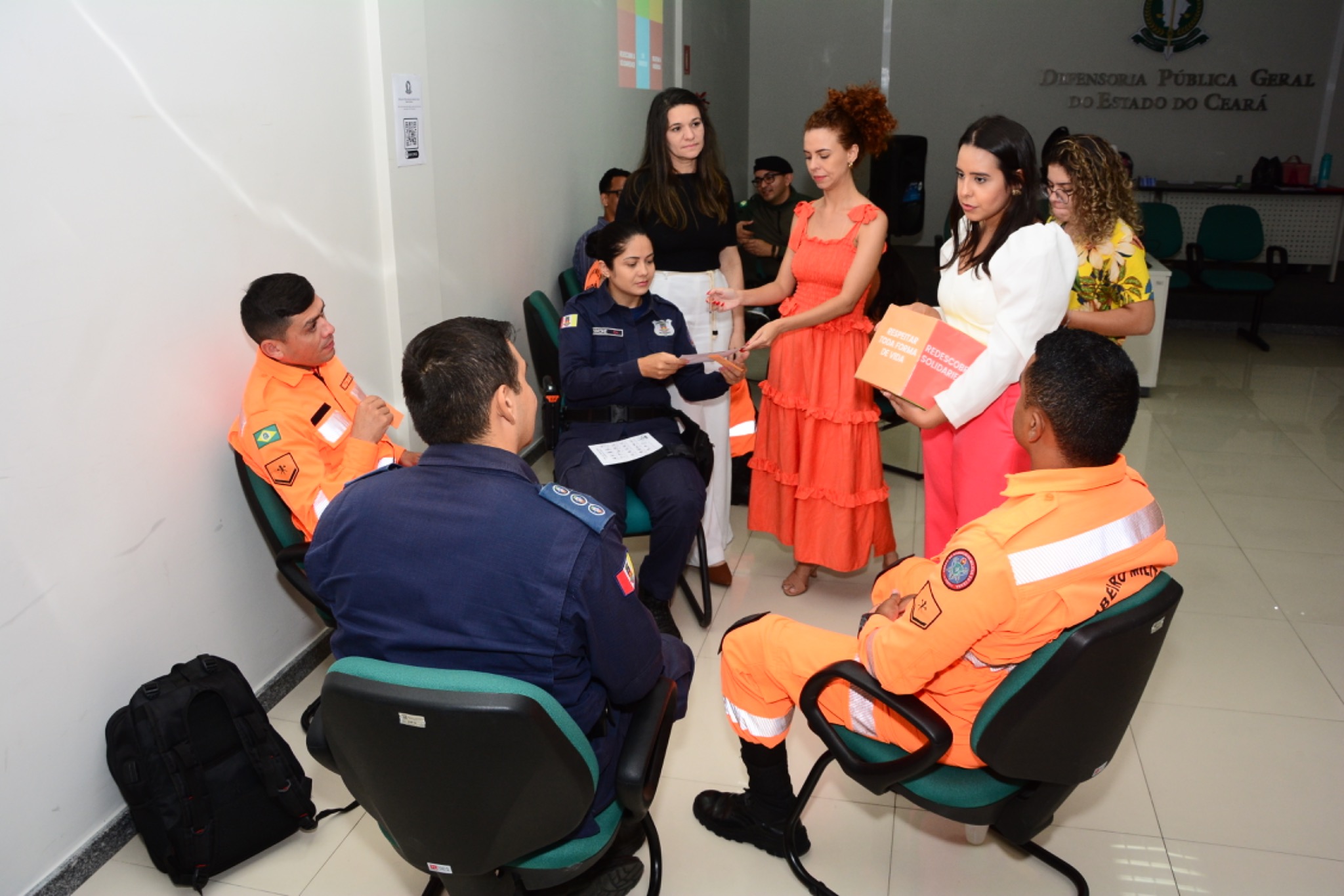
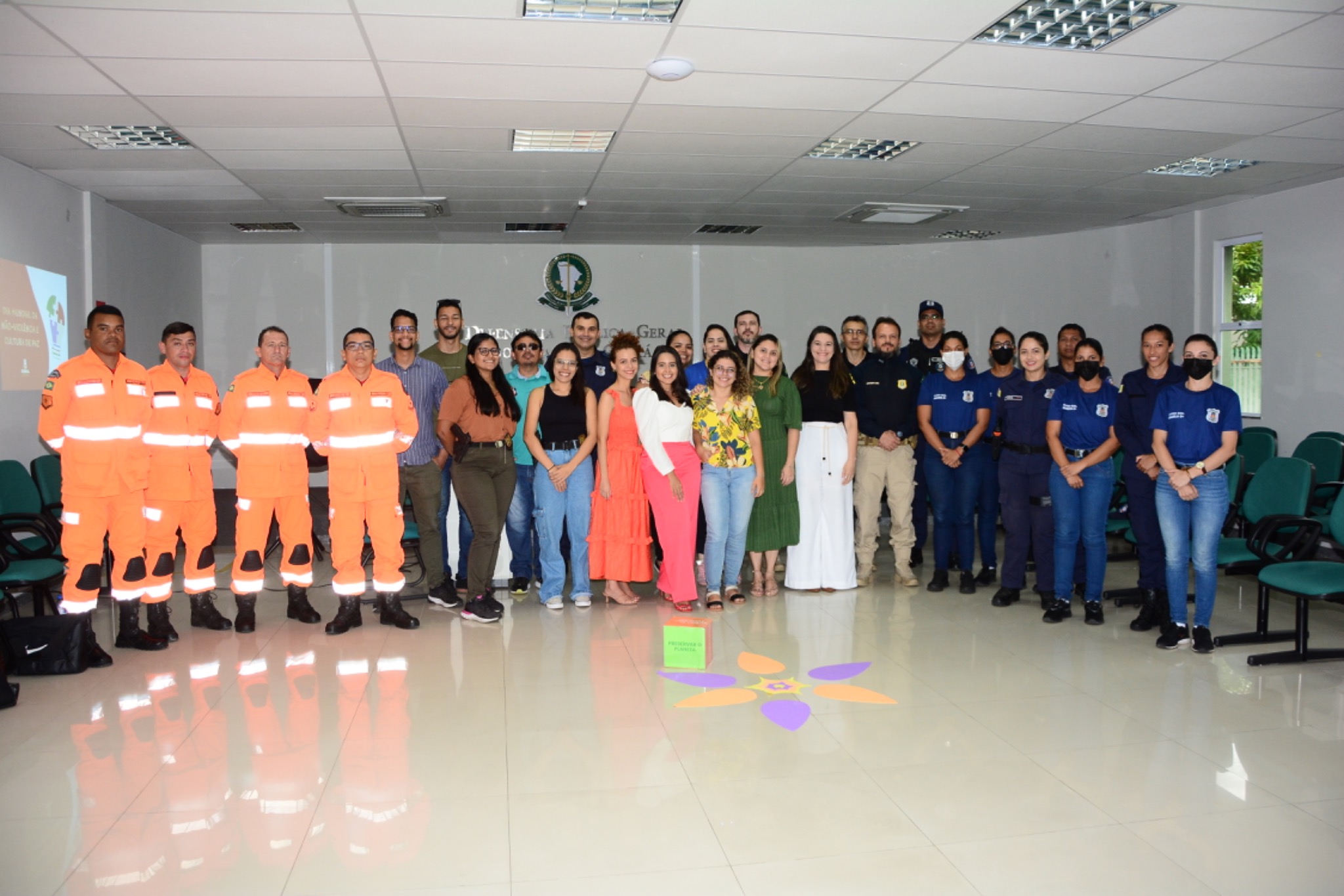
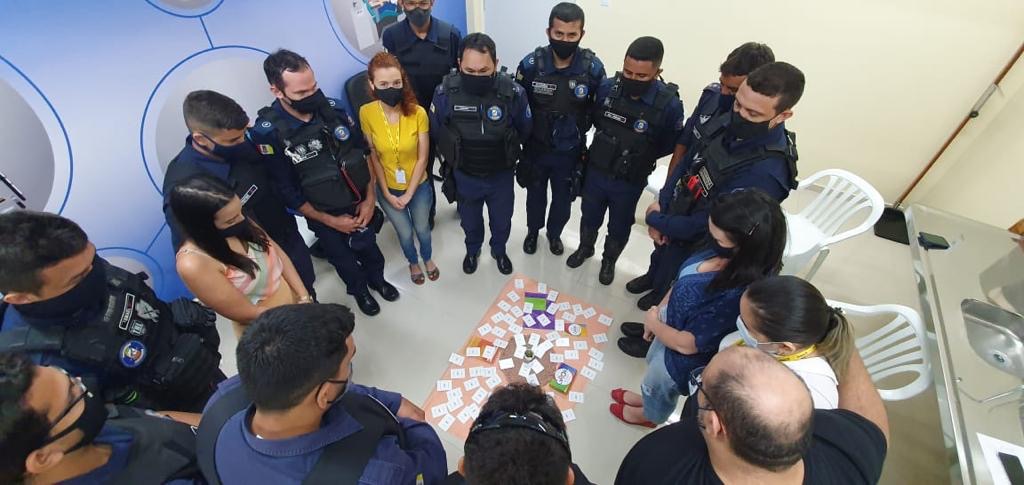
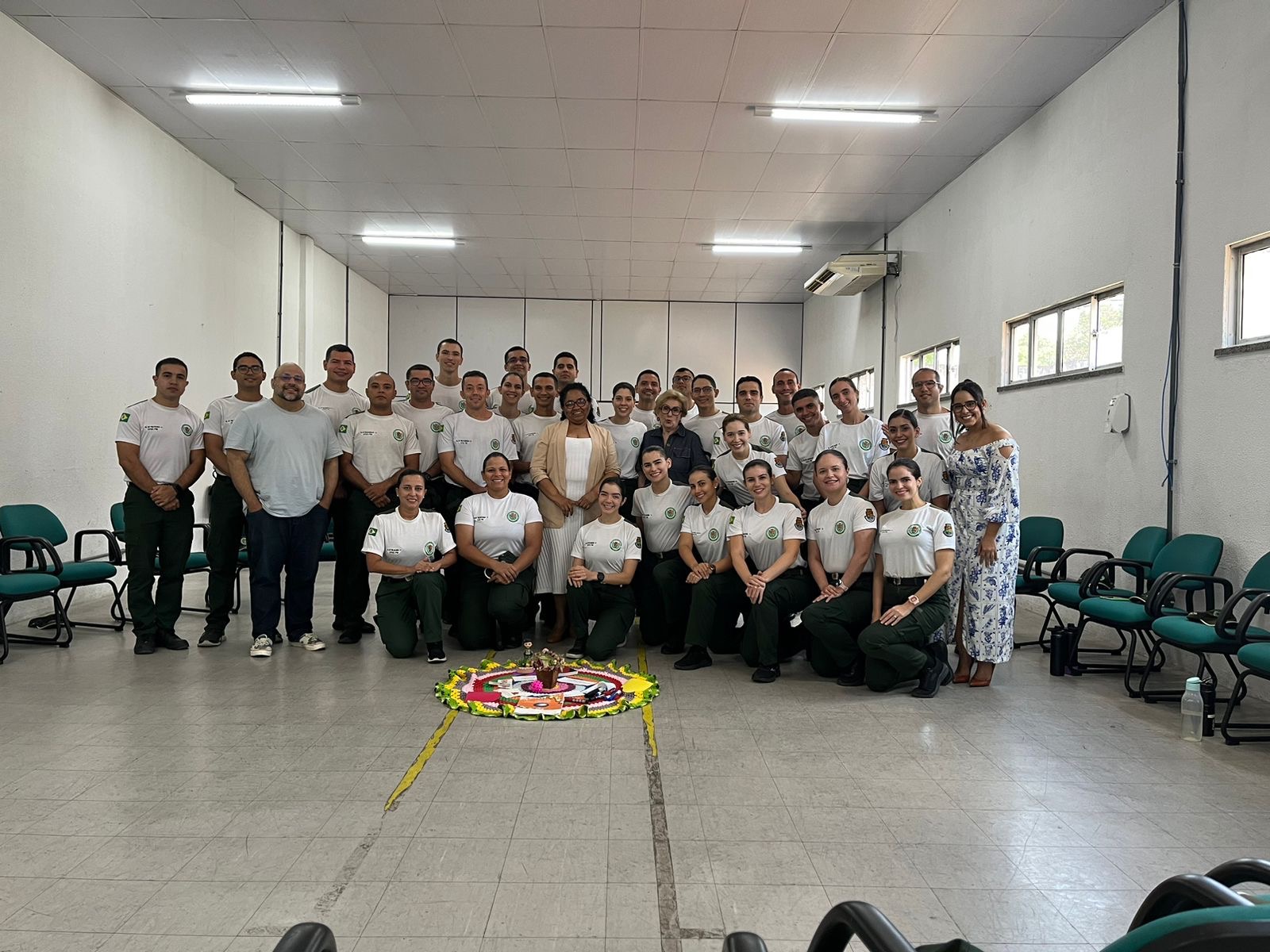
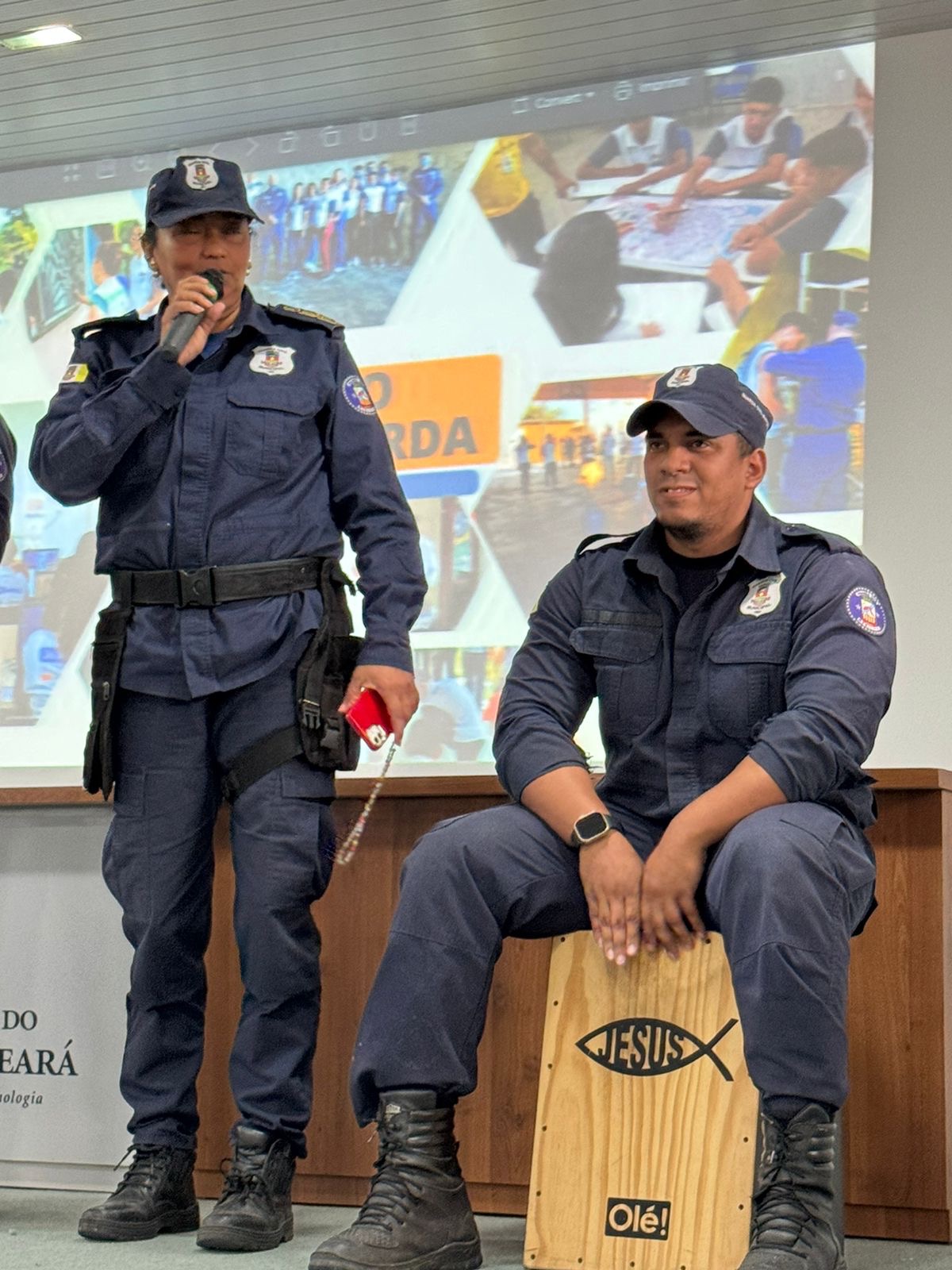
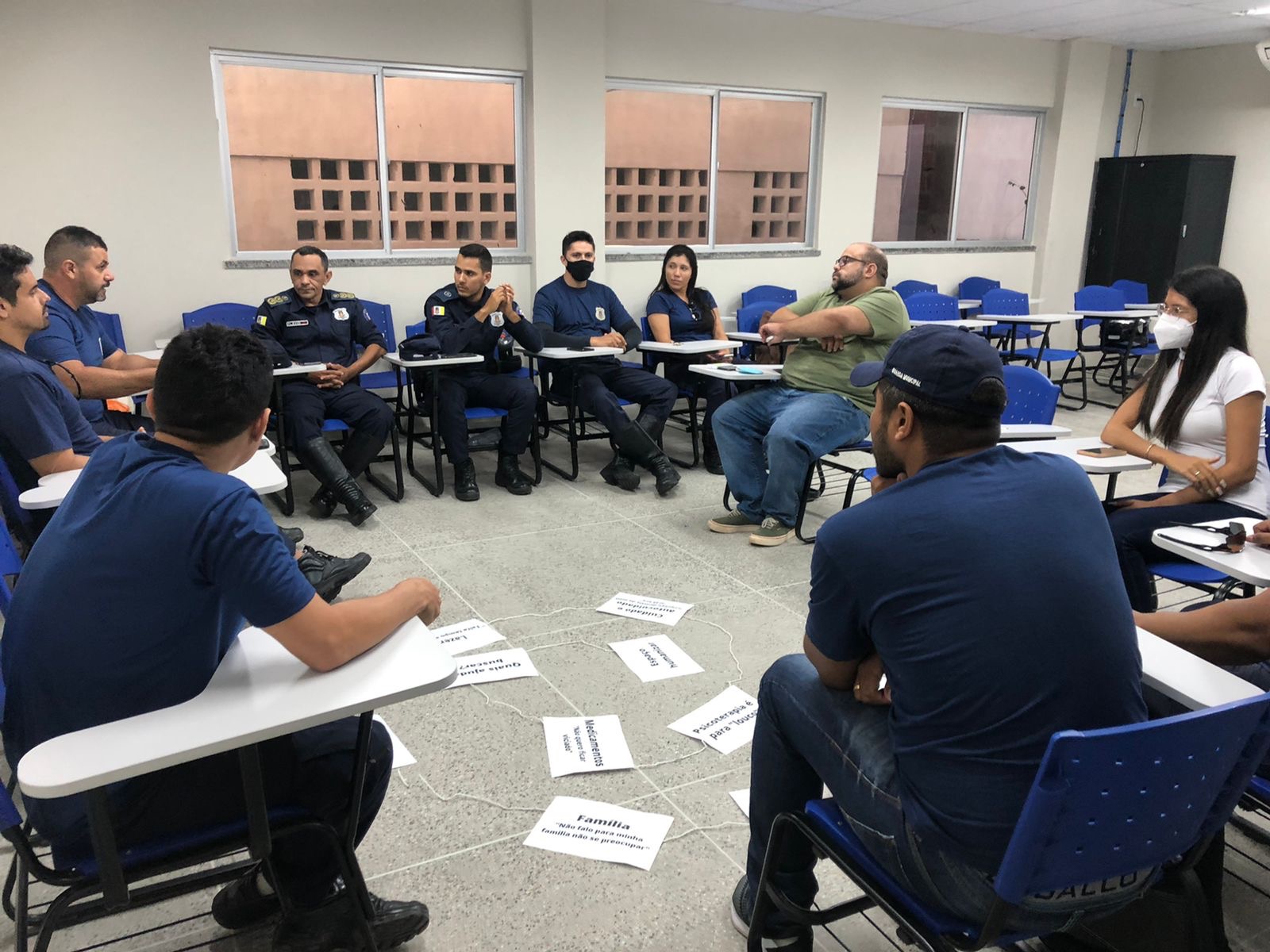
This project consists of periodic interventions with municipal civil guards, government teams, and community leaders, grounded in the principles of the Culture of Peace as defined by UNESCO.
Its main objectives include promoting a Culture of Peace, preventing violence, and fostering empathetic dialogue and nonviolent communication. The interventions are designed to strengthen both individual and collective capacities for managing conflict in everyday contexts.
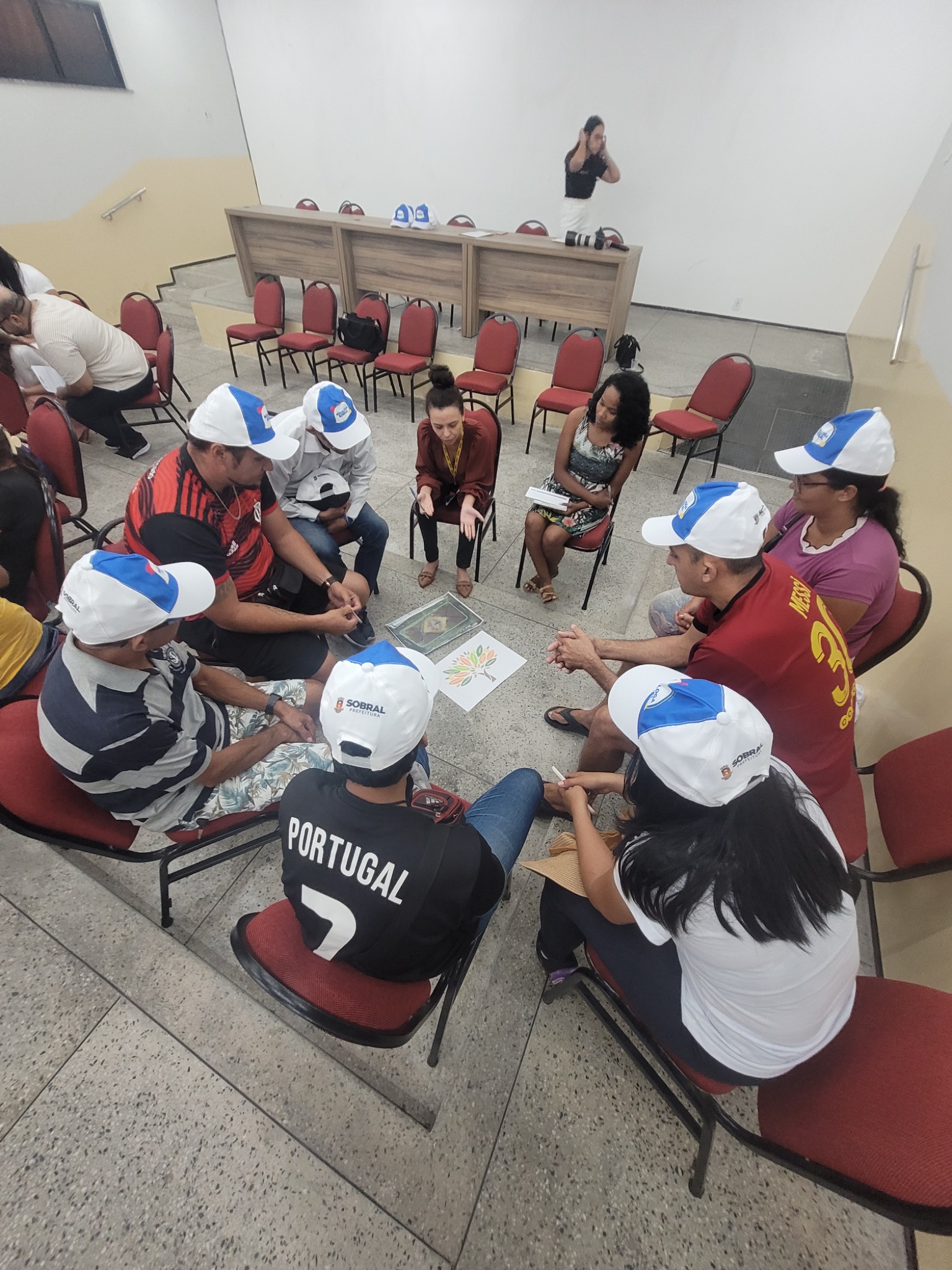
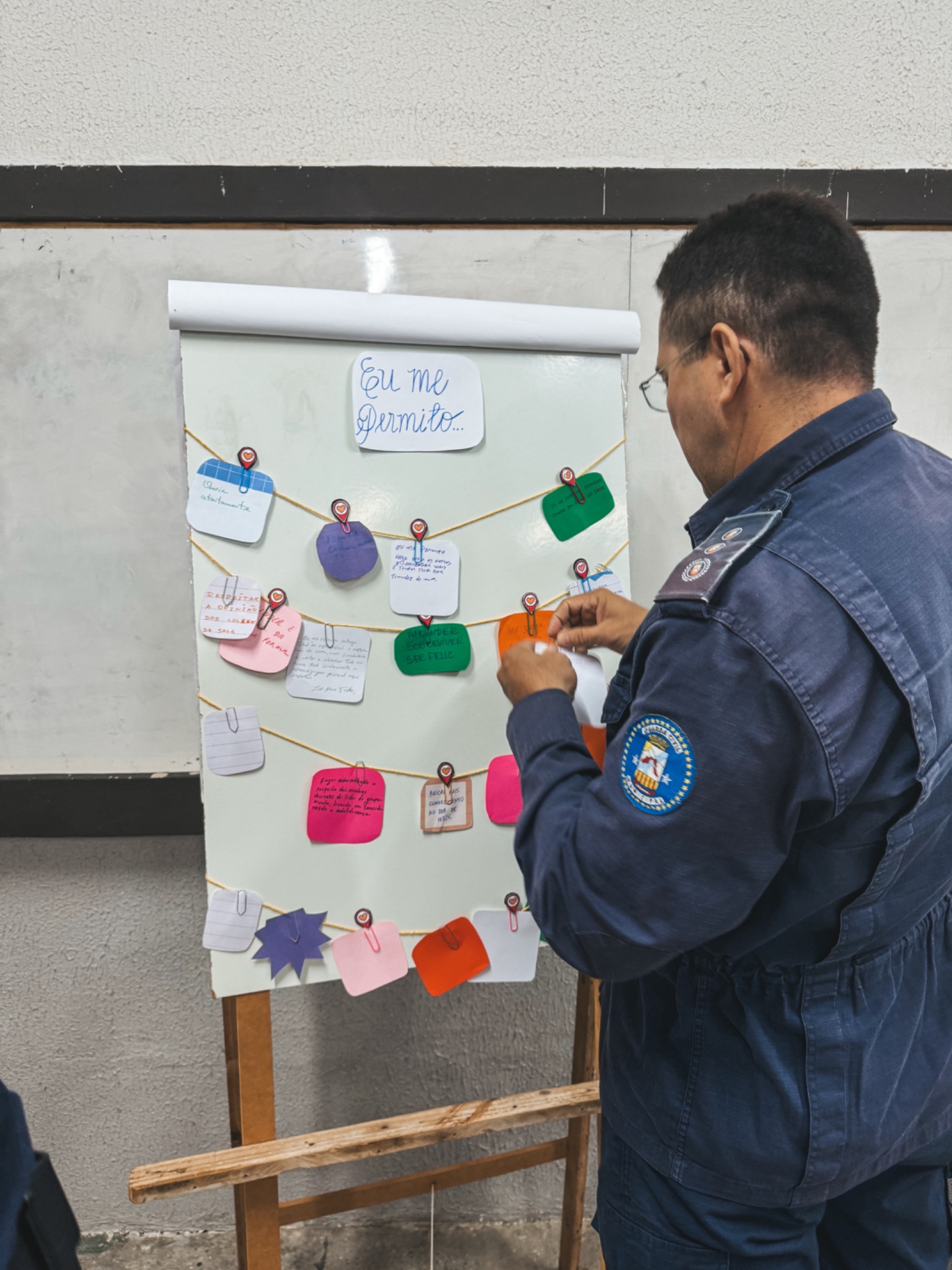
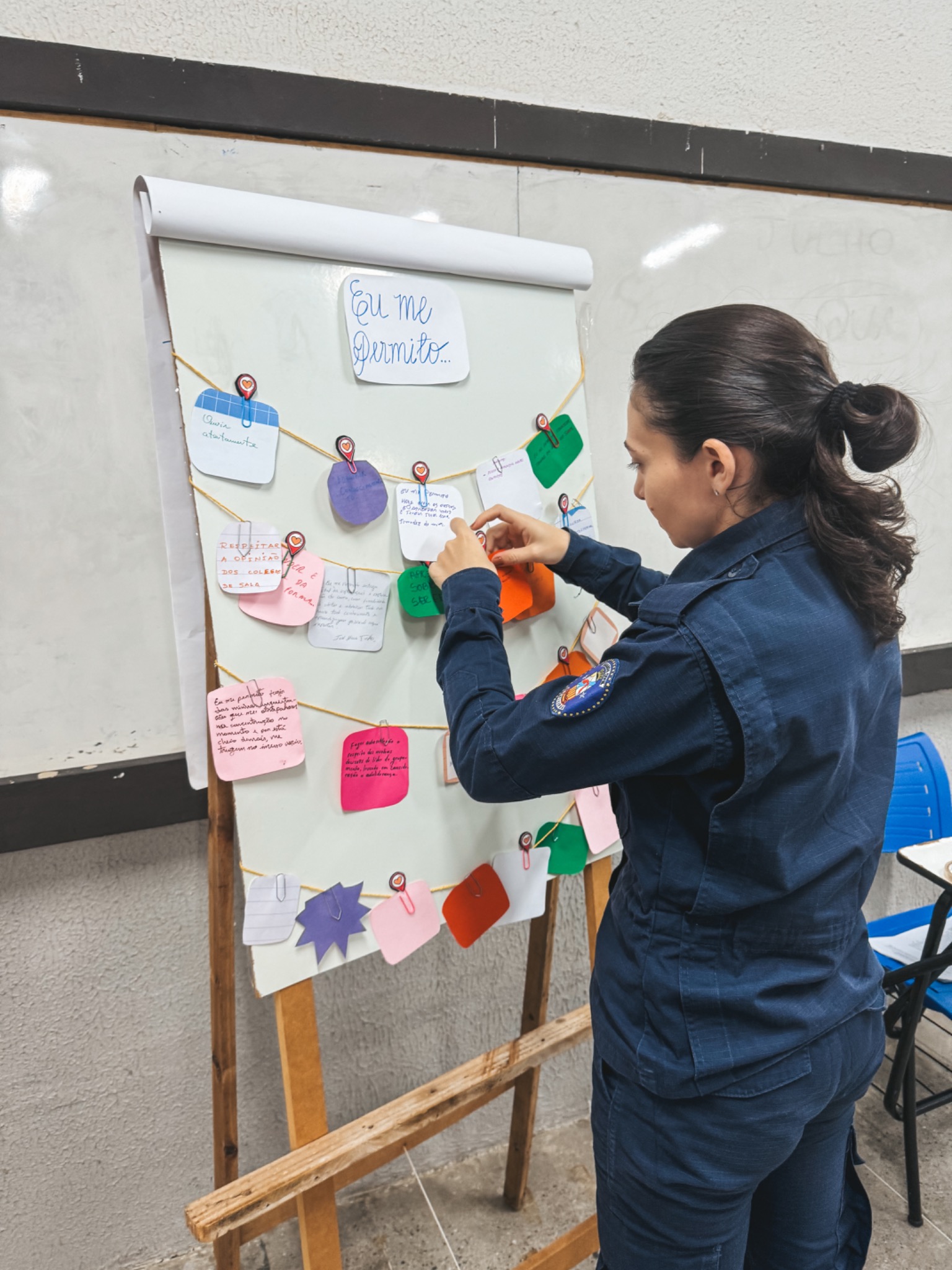
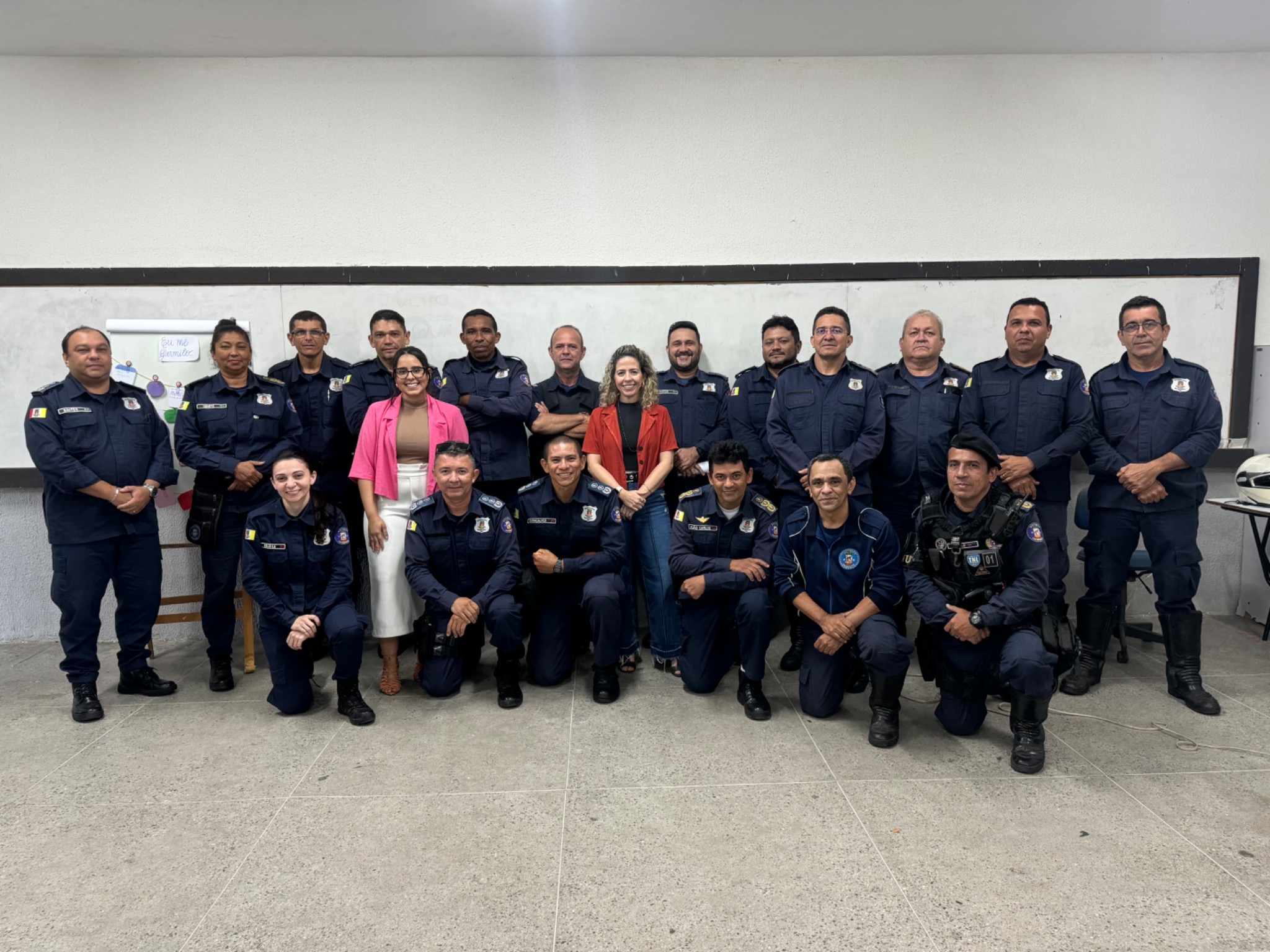
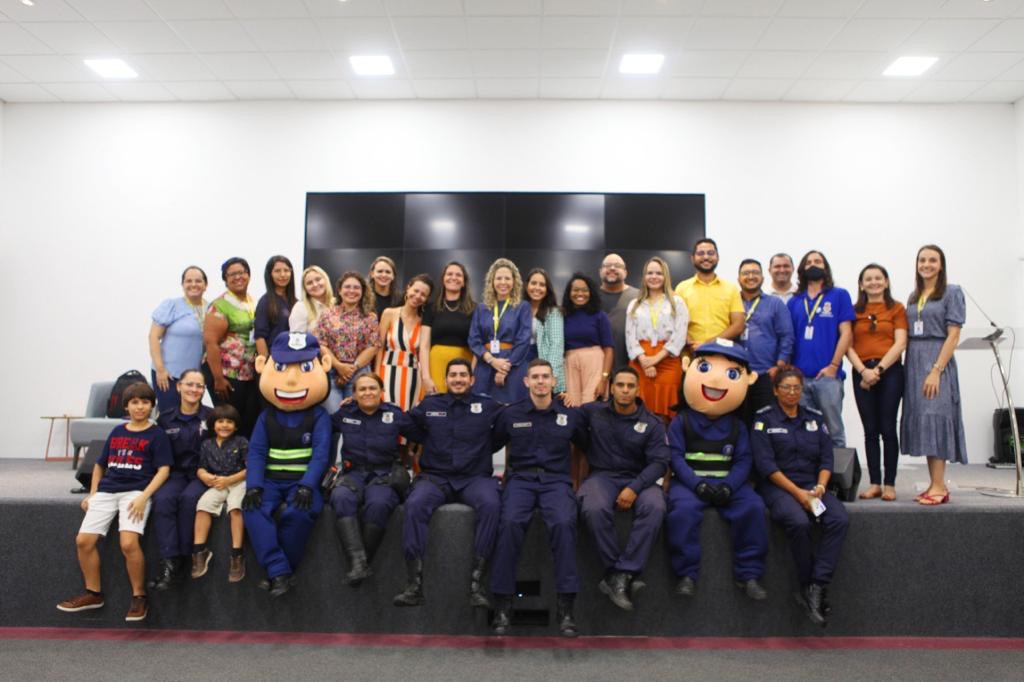
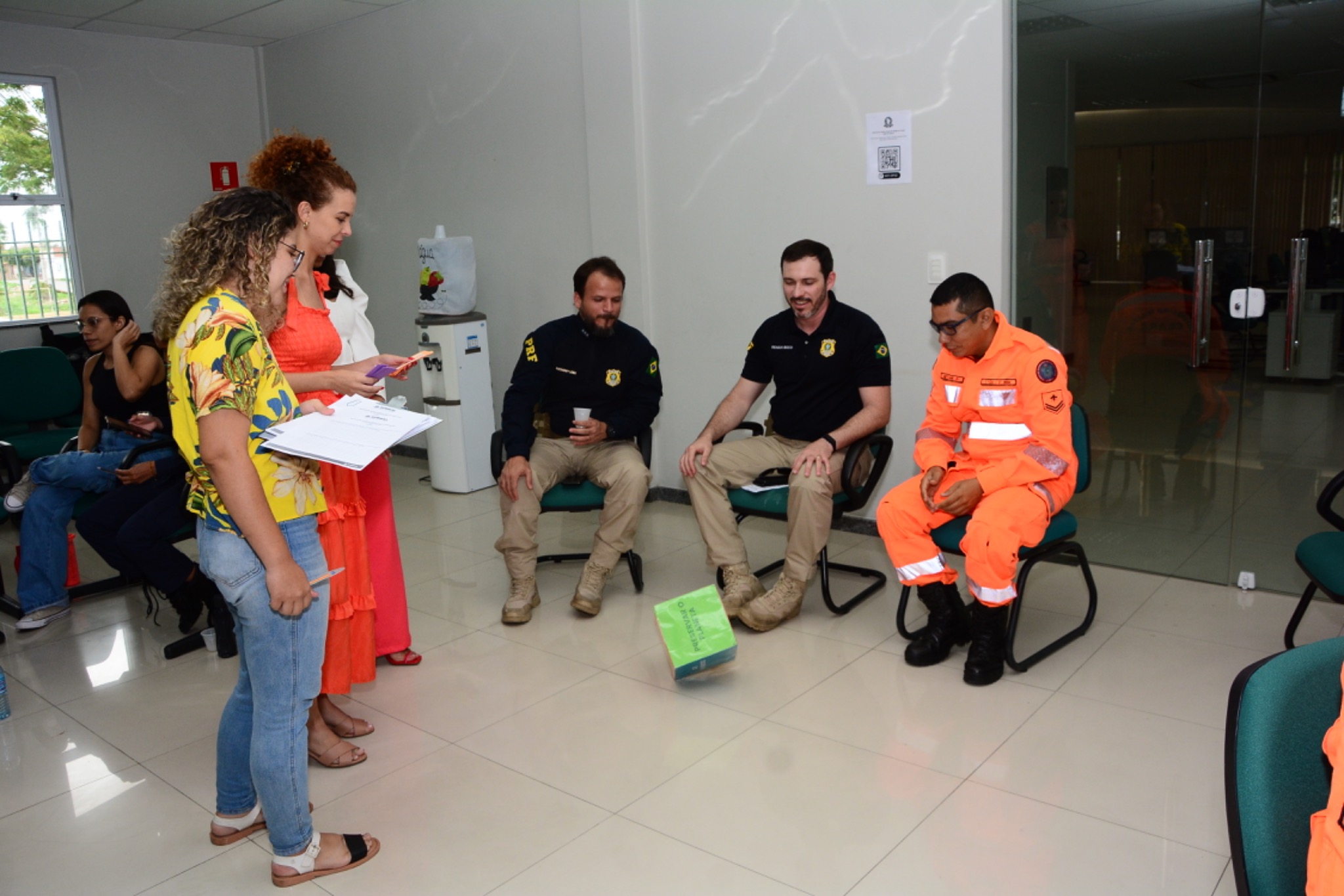
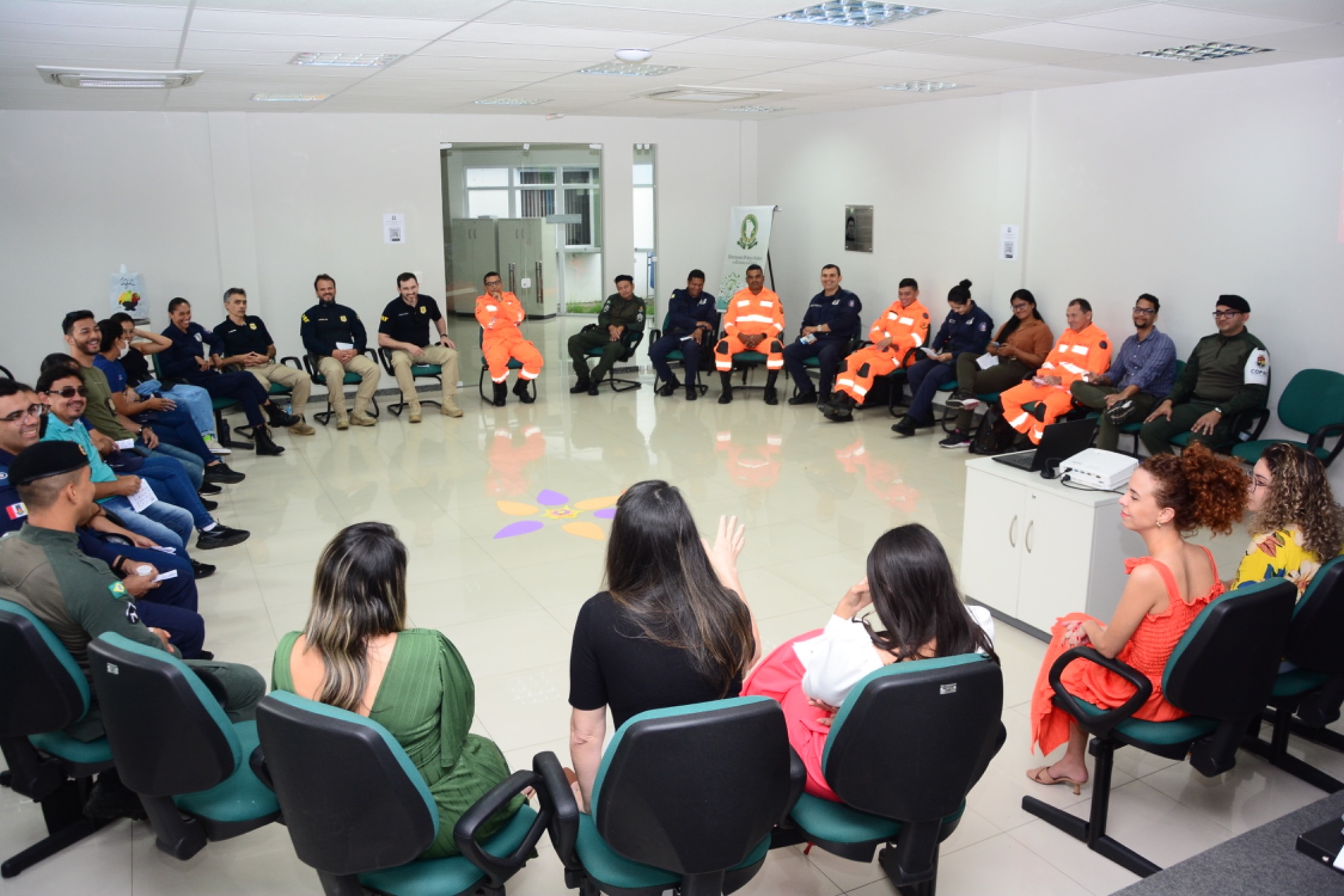
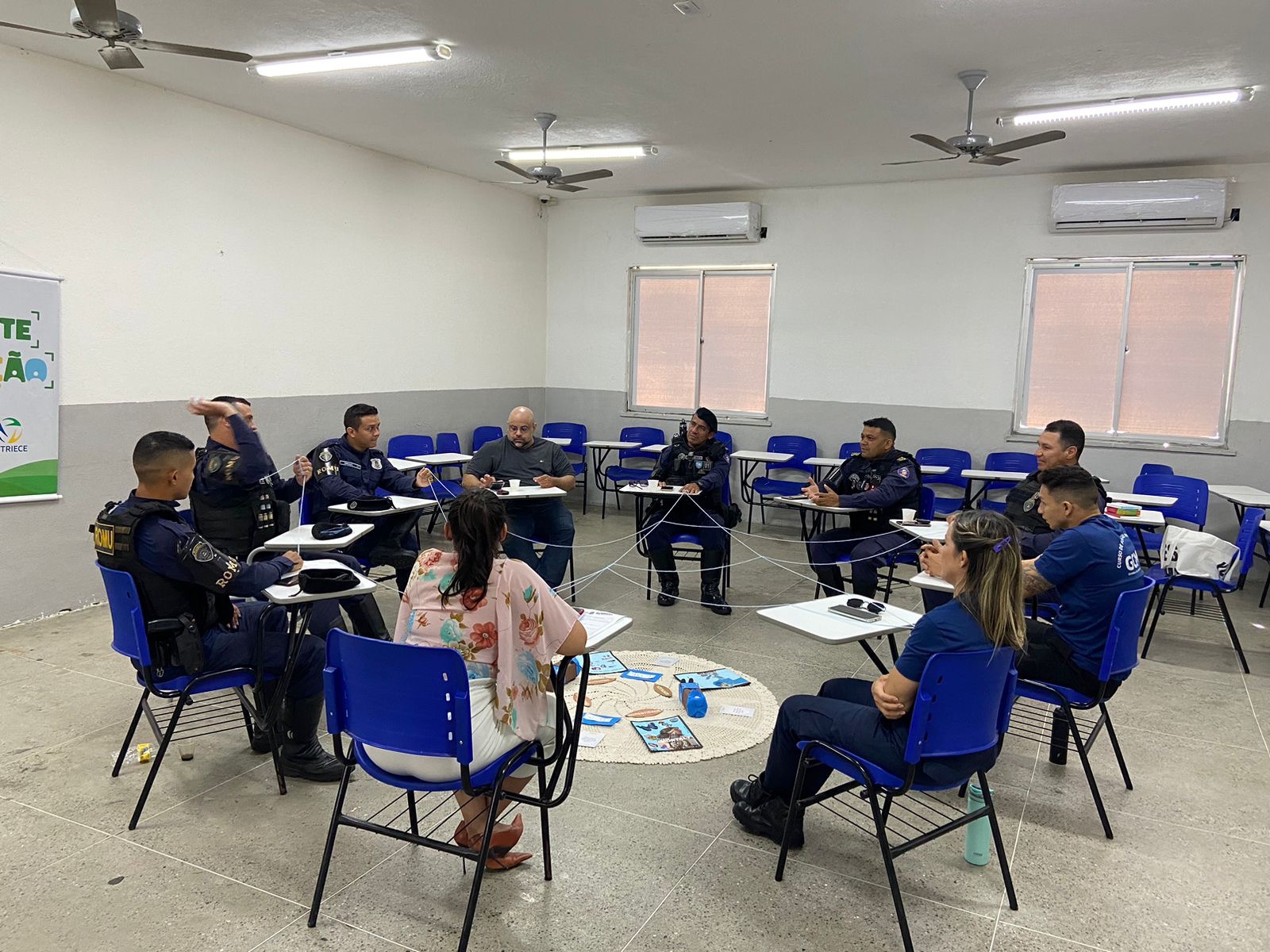
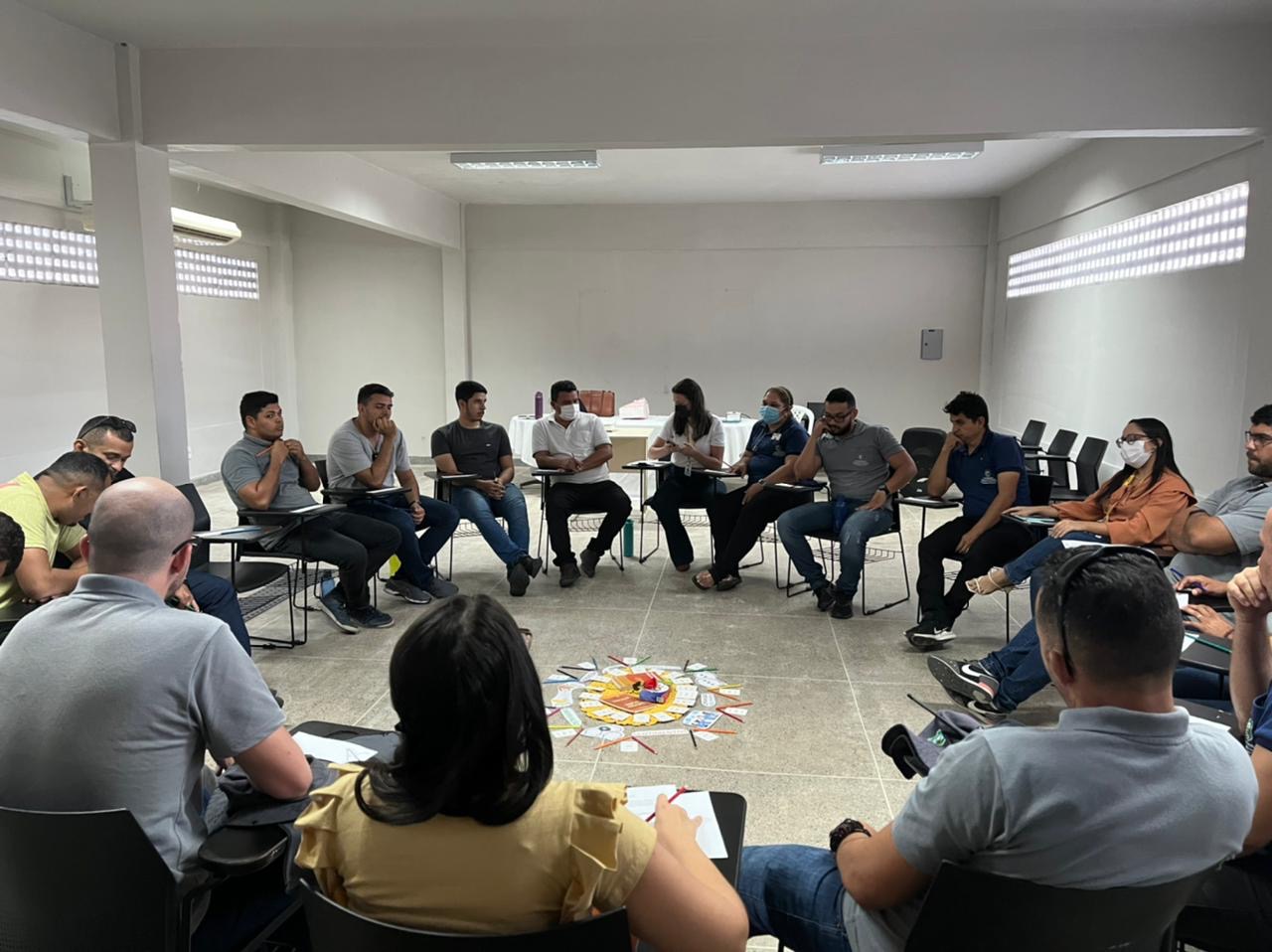
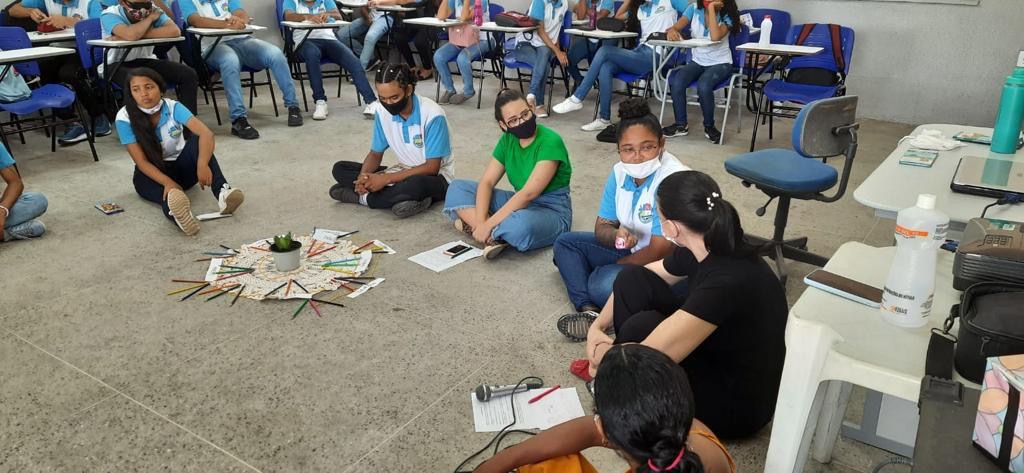
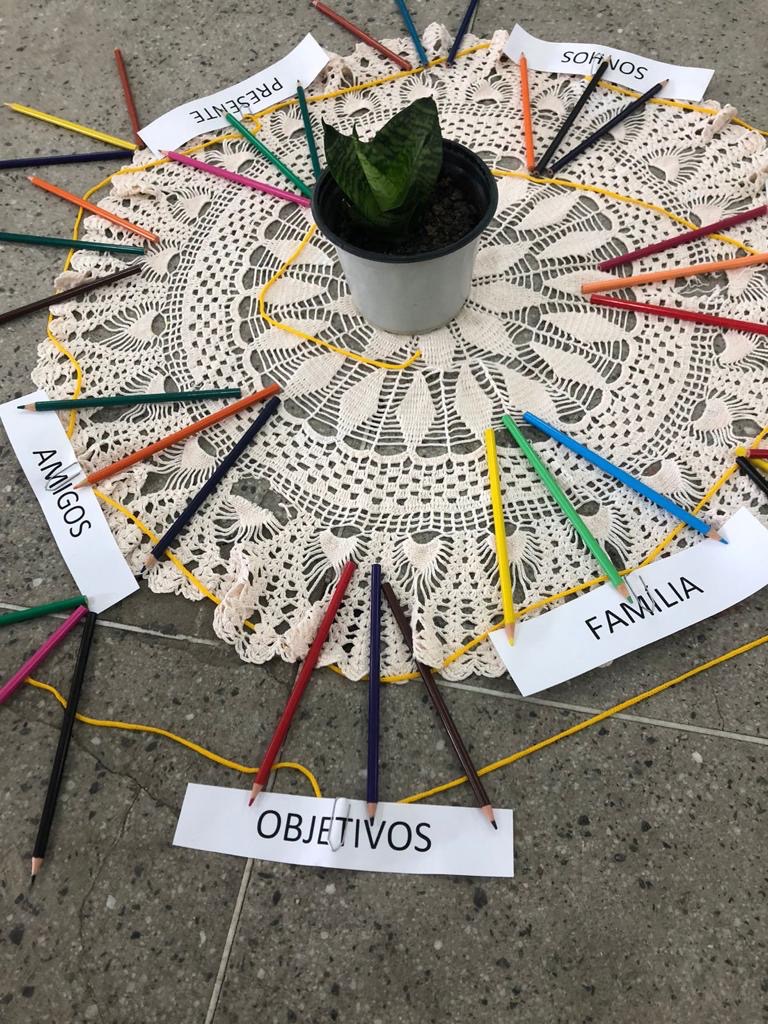
A central component of the project is the use of peacebuilding circles—a methodology developed by Kay Pranis—implemented with the Municipal Civil Guard of Sobral, Ceará. These circles created structured spaces for dialogue, reinforcing trust, strengthening relationships, and encouraging active listening.
The initiative also contributed to raising awareness of emotional and psychological well-being, improving interpersonal relationships and communication skills, and empowering participants to develop more collaborative and empathetic responses to daily challenges.
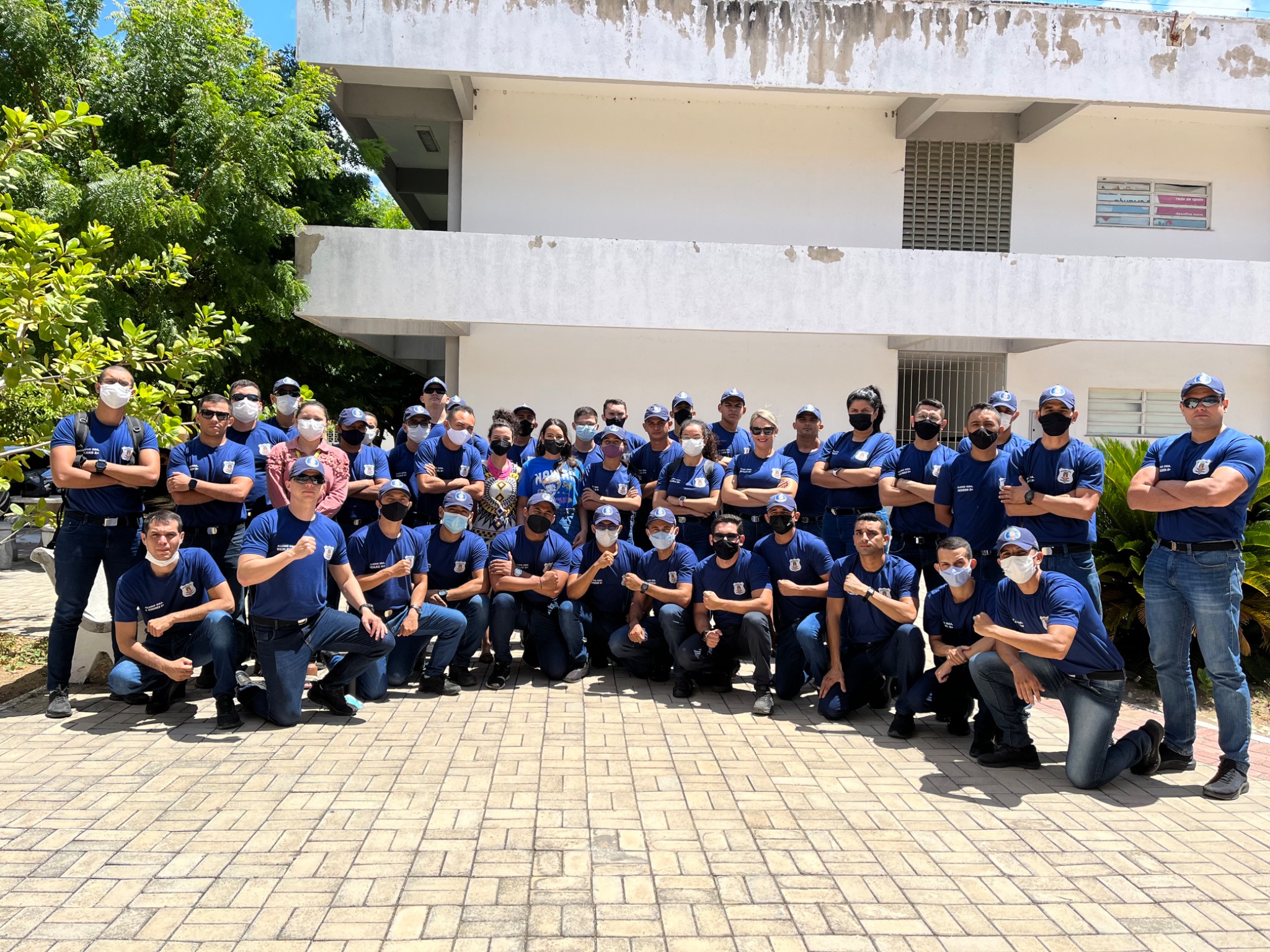
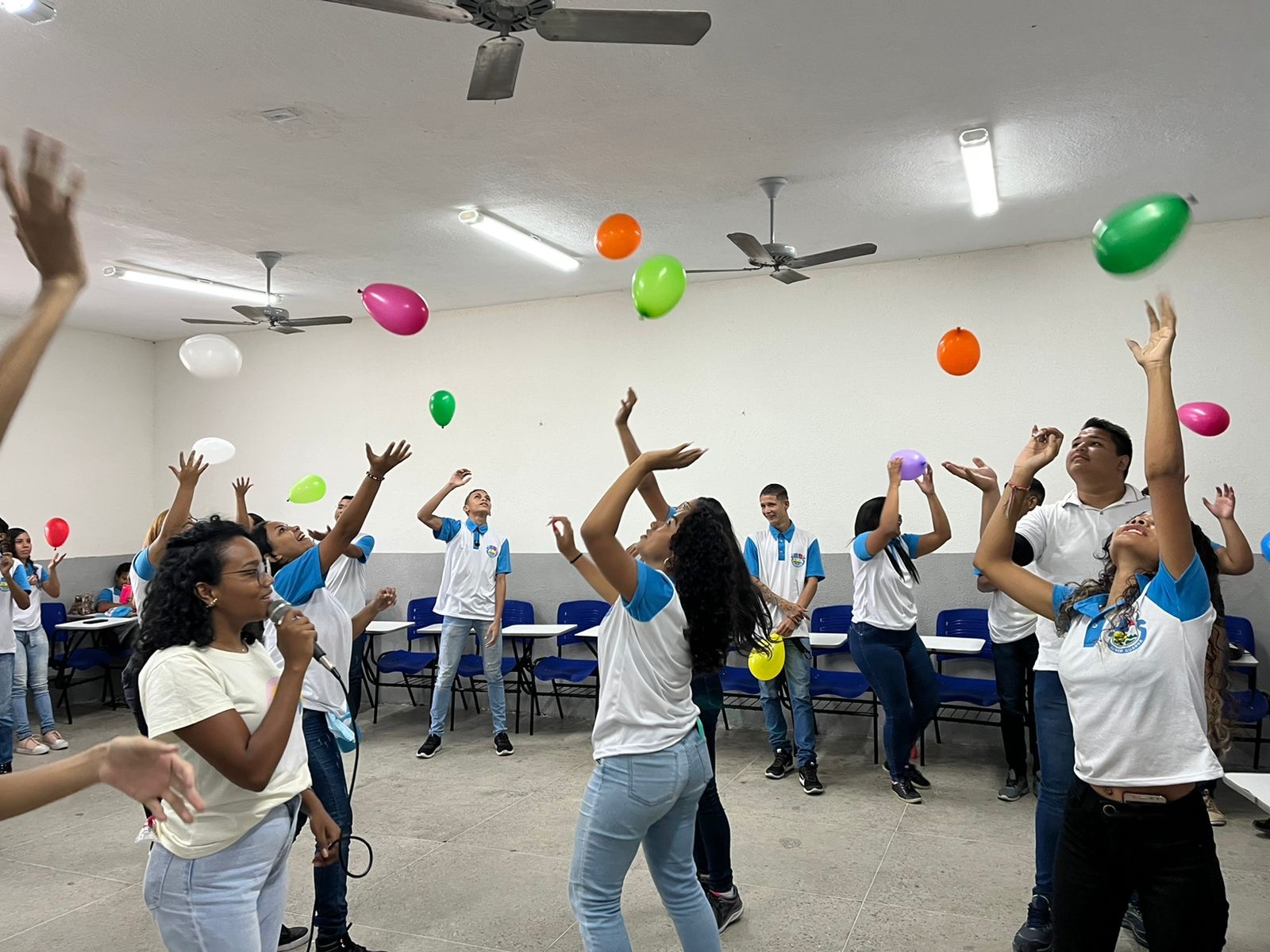
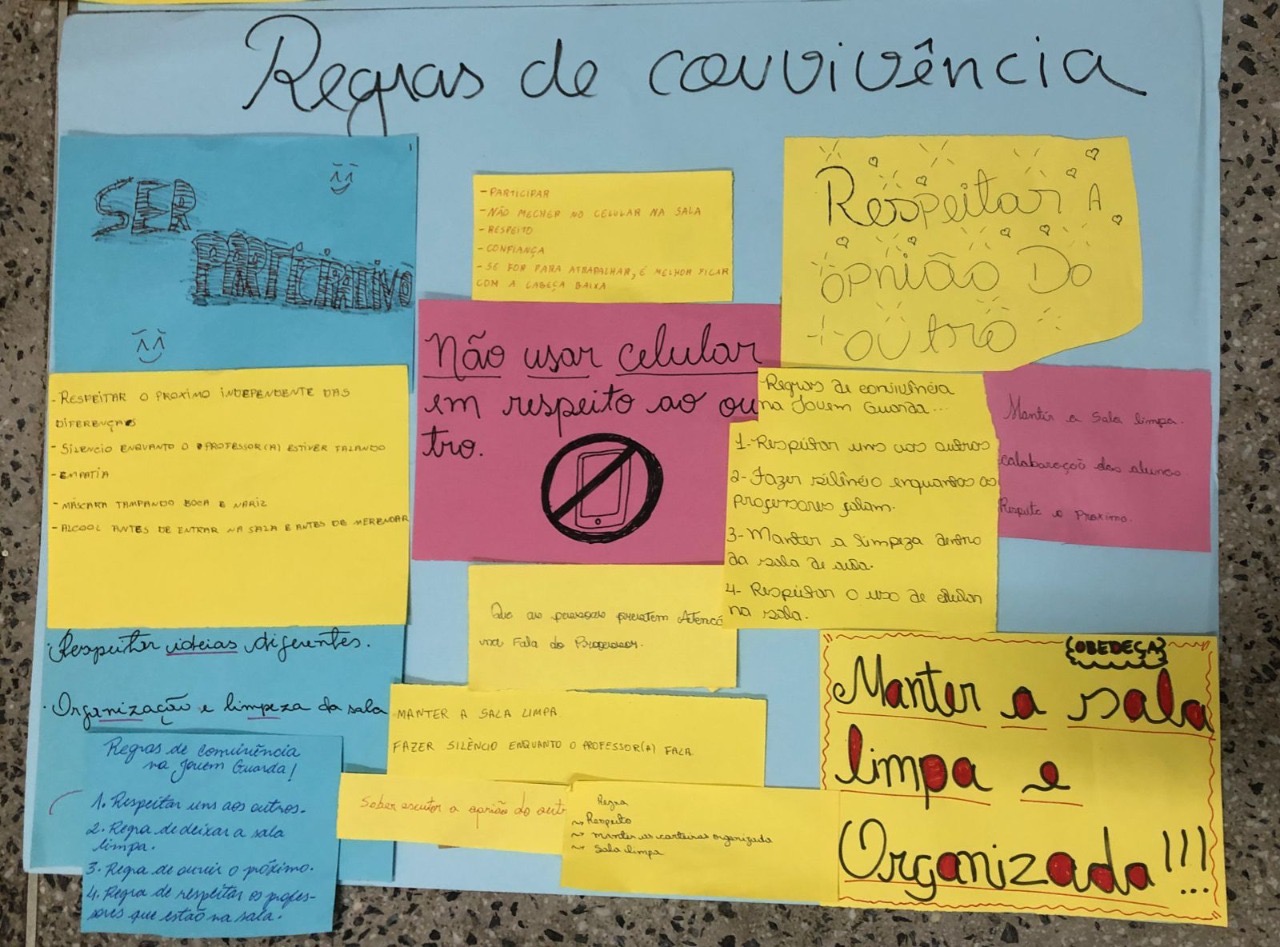
Within the Municipal Department of Citizen Security, the “Jovem Guarda” program engages vulnerable youth aged 14 to 19 each semester, providing access to educational modules on human rights, citizenship, arts, sports, and life planning.
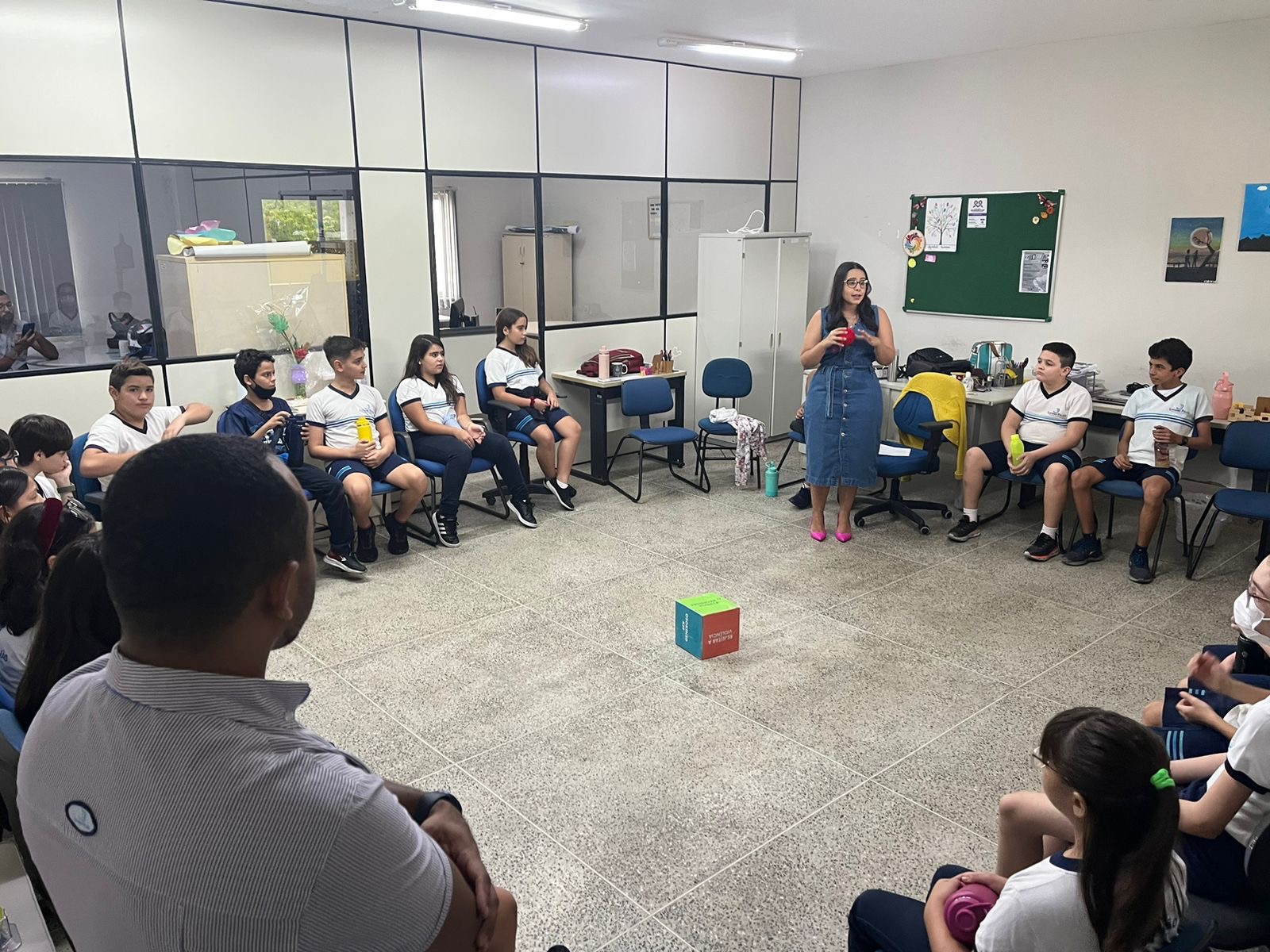
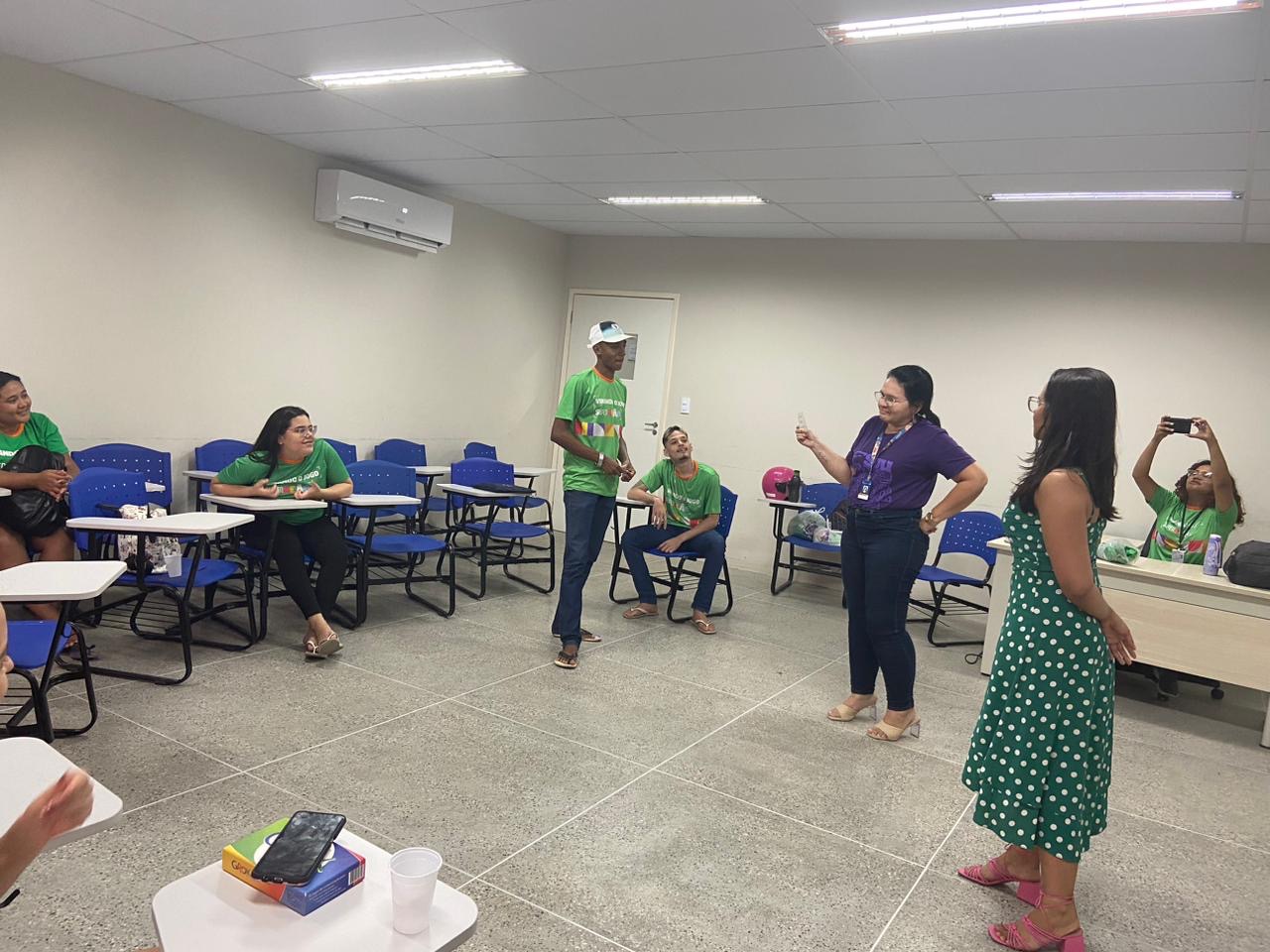
As part of this program, I co-facilitate the “Young Mediator” module alongside the Coordination of Diagnosis and Culture of Peace team. In this module, we introduce young participants to conflict management and practical tools for everyday life, with a focus on violence prevention and avoiding conflict escalation.
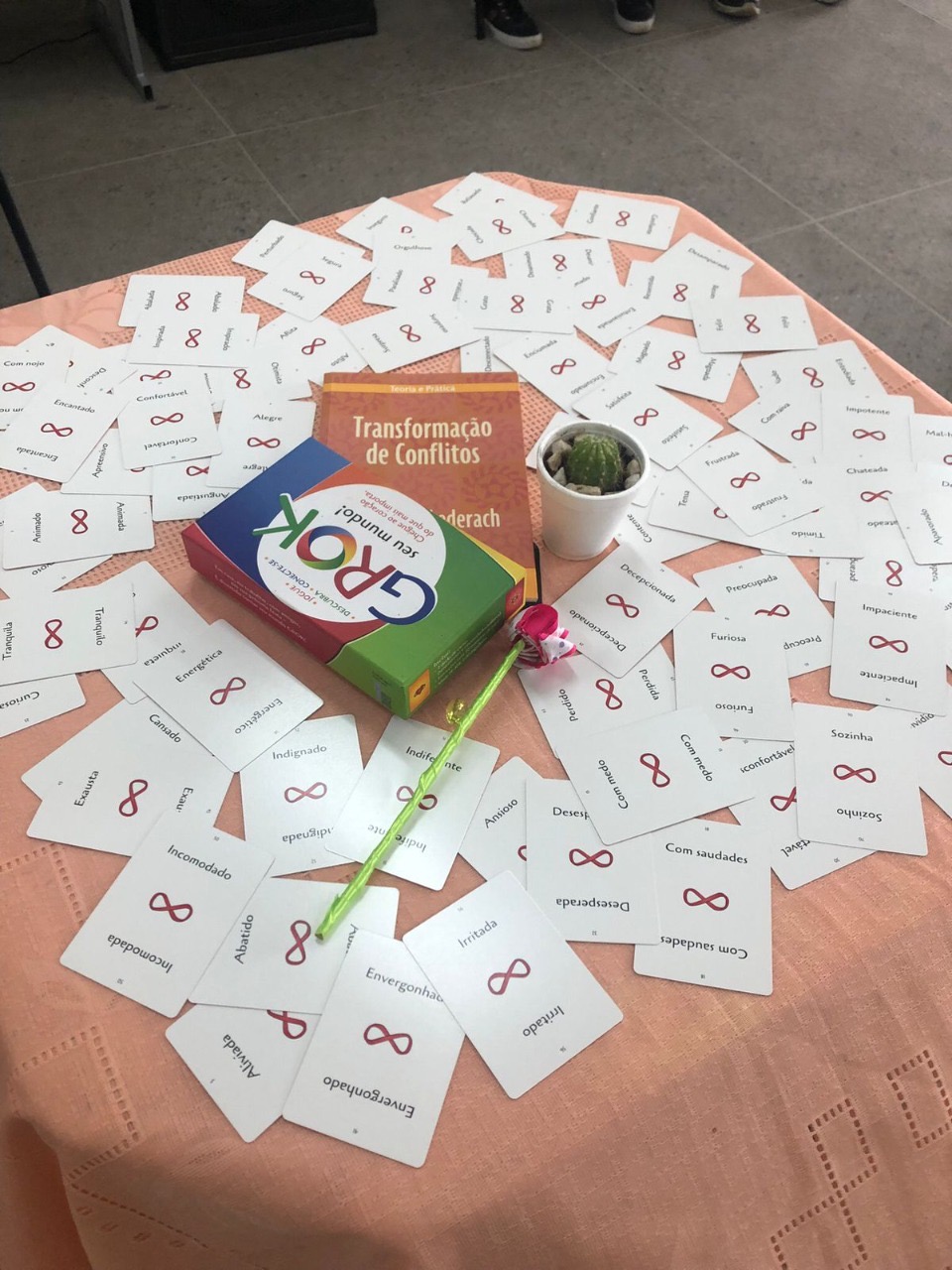
The training includes approaches such as mediation and Nonviolent Communication, emphasizing that conflict is a natural part of human interaction and can be constructive when managed effectively.
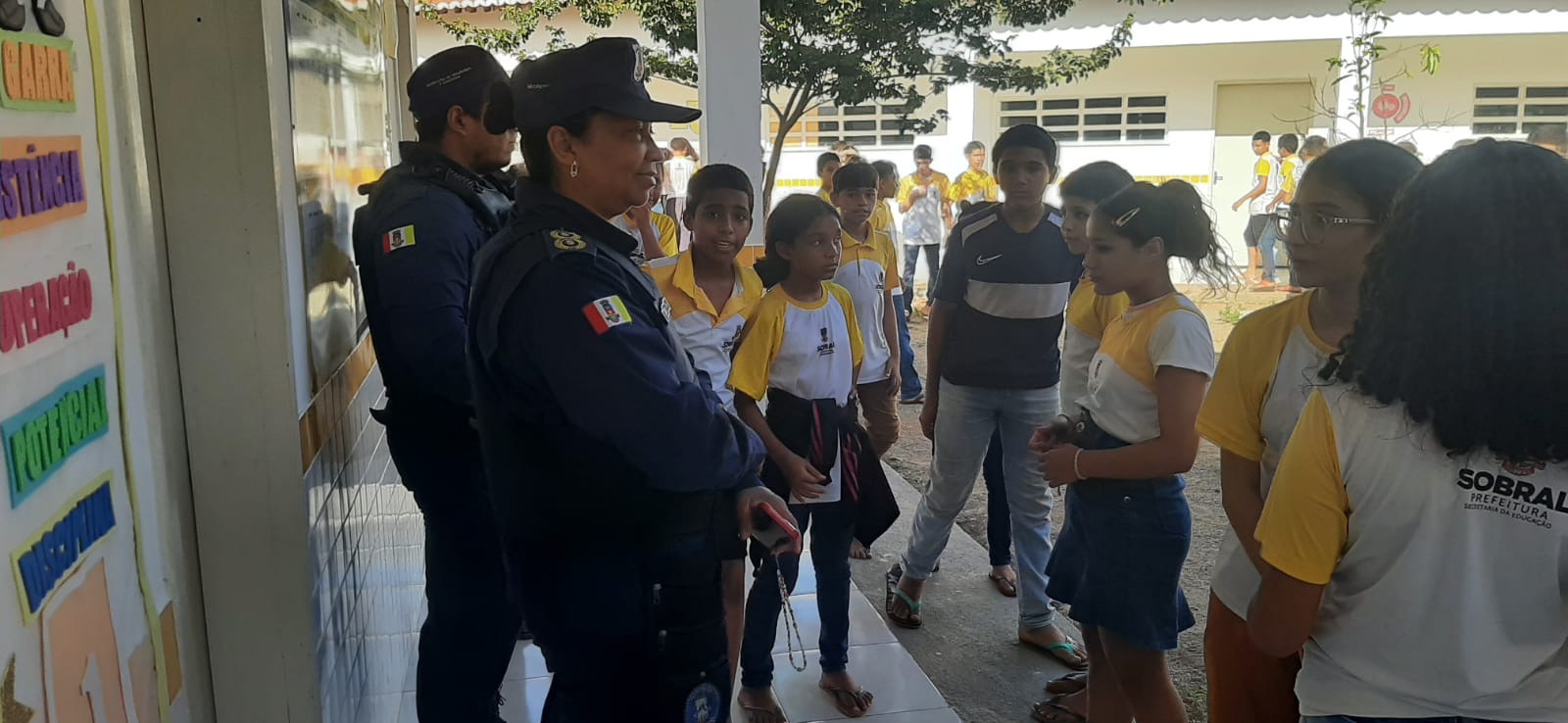
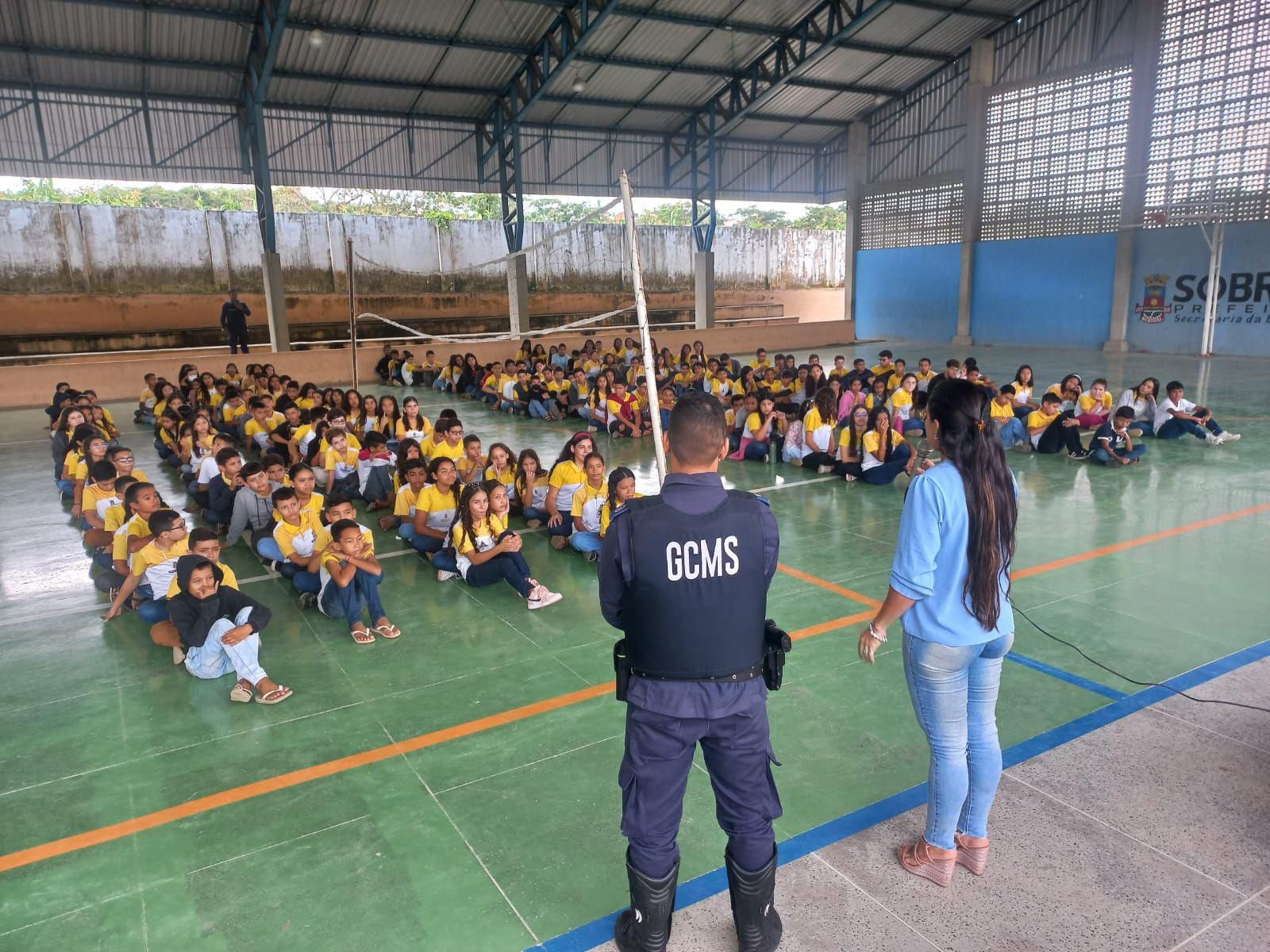
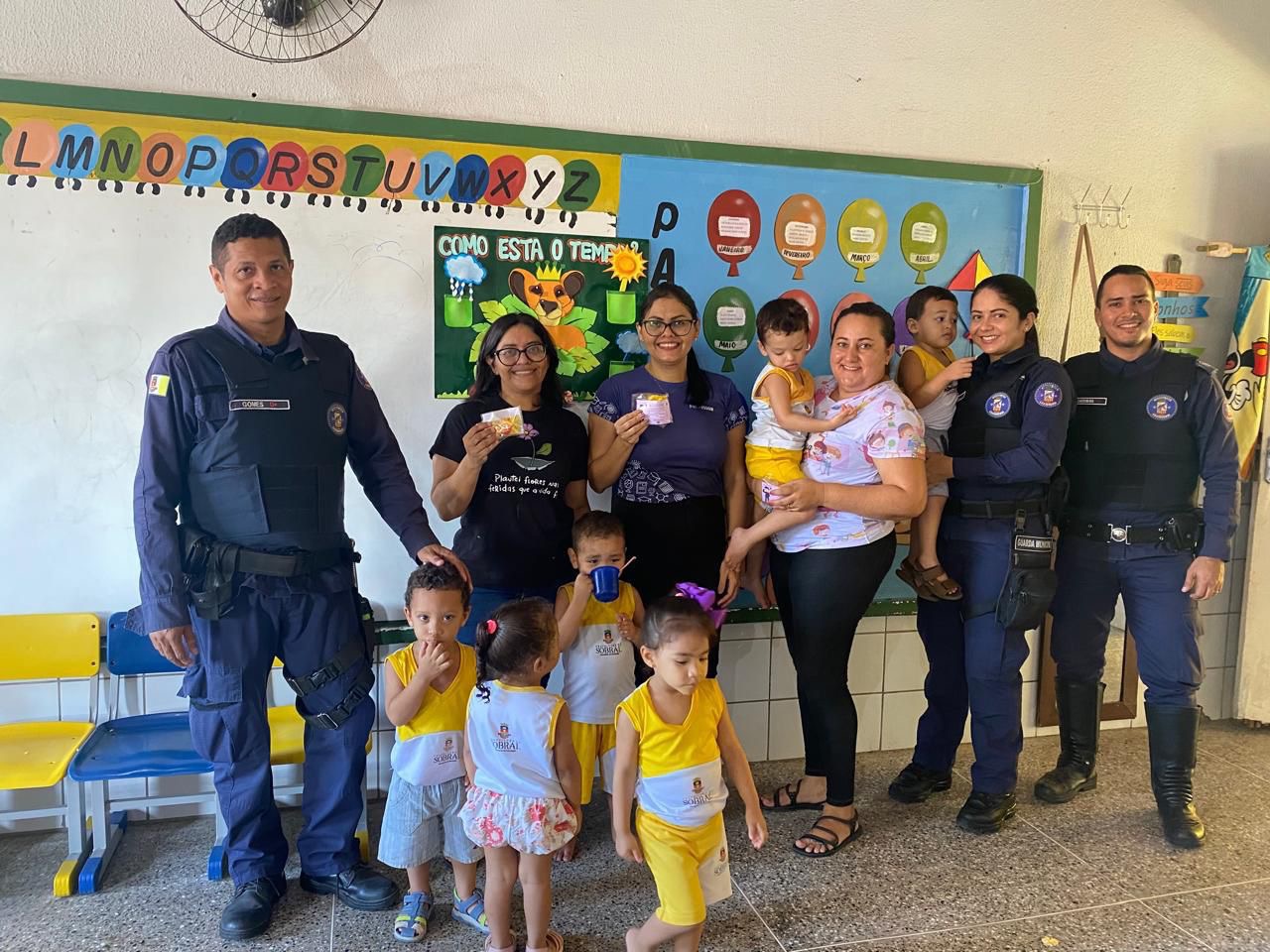
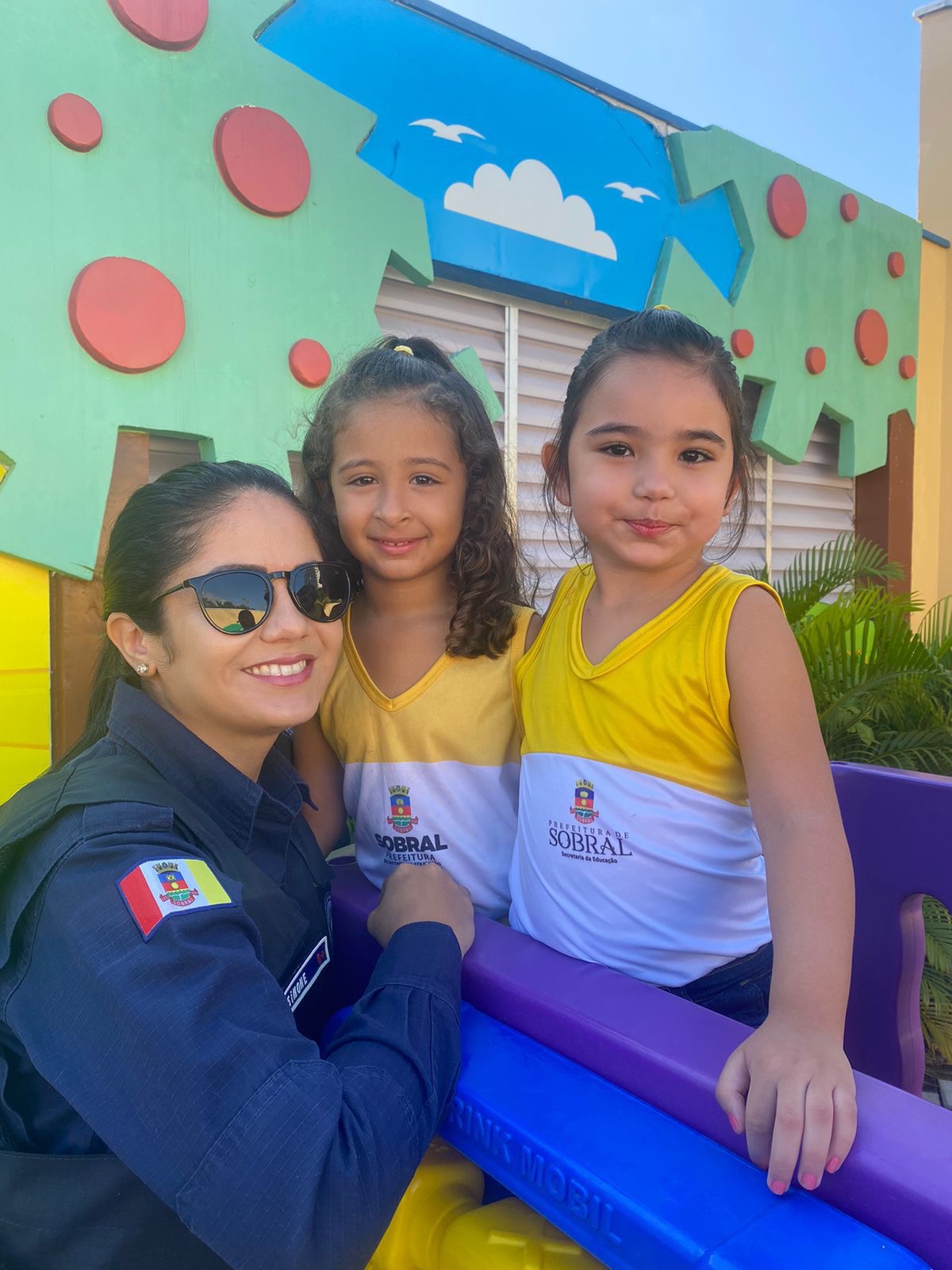
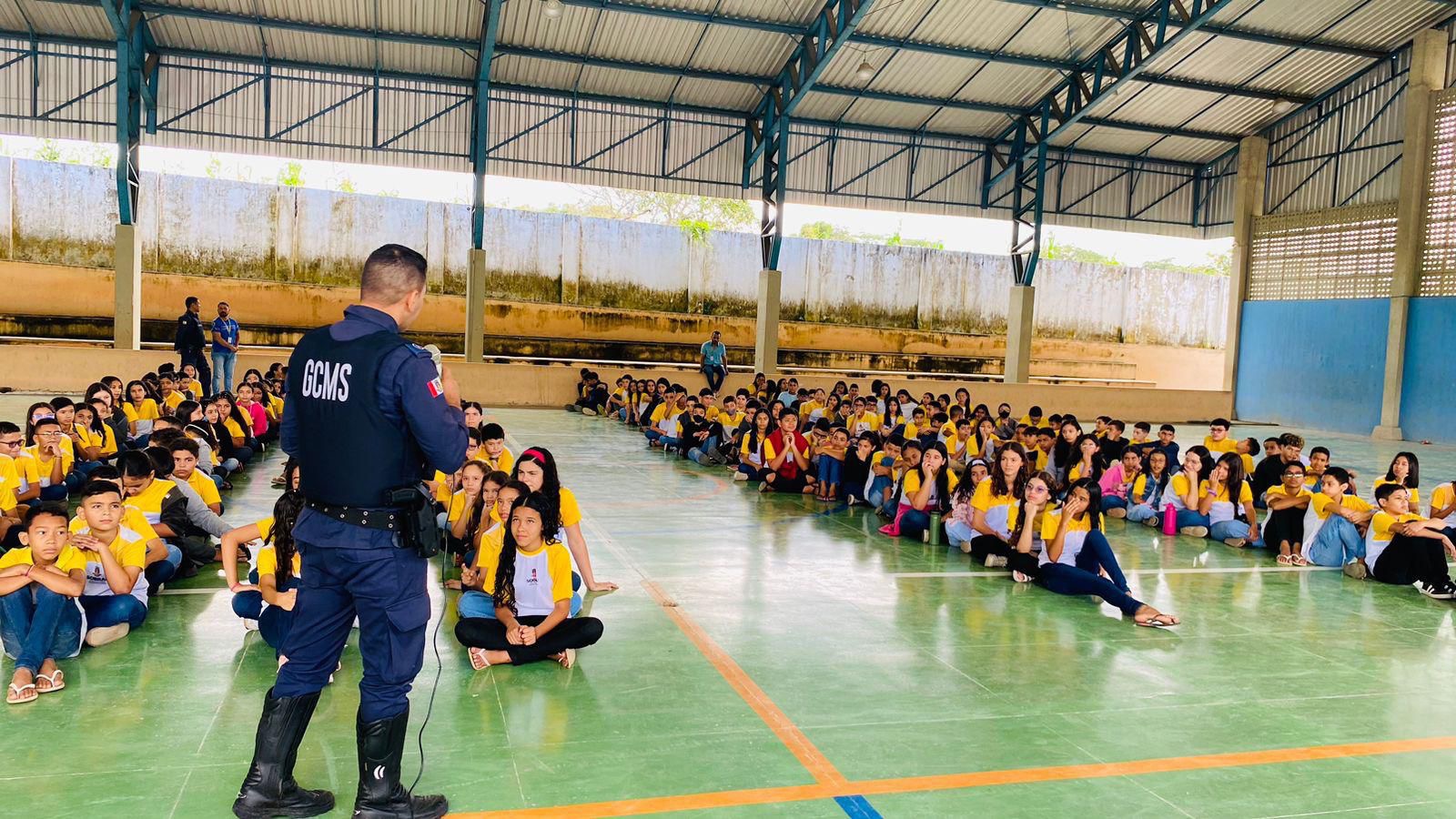
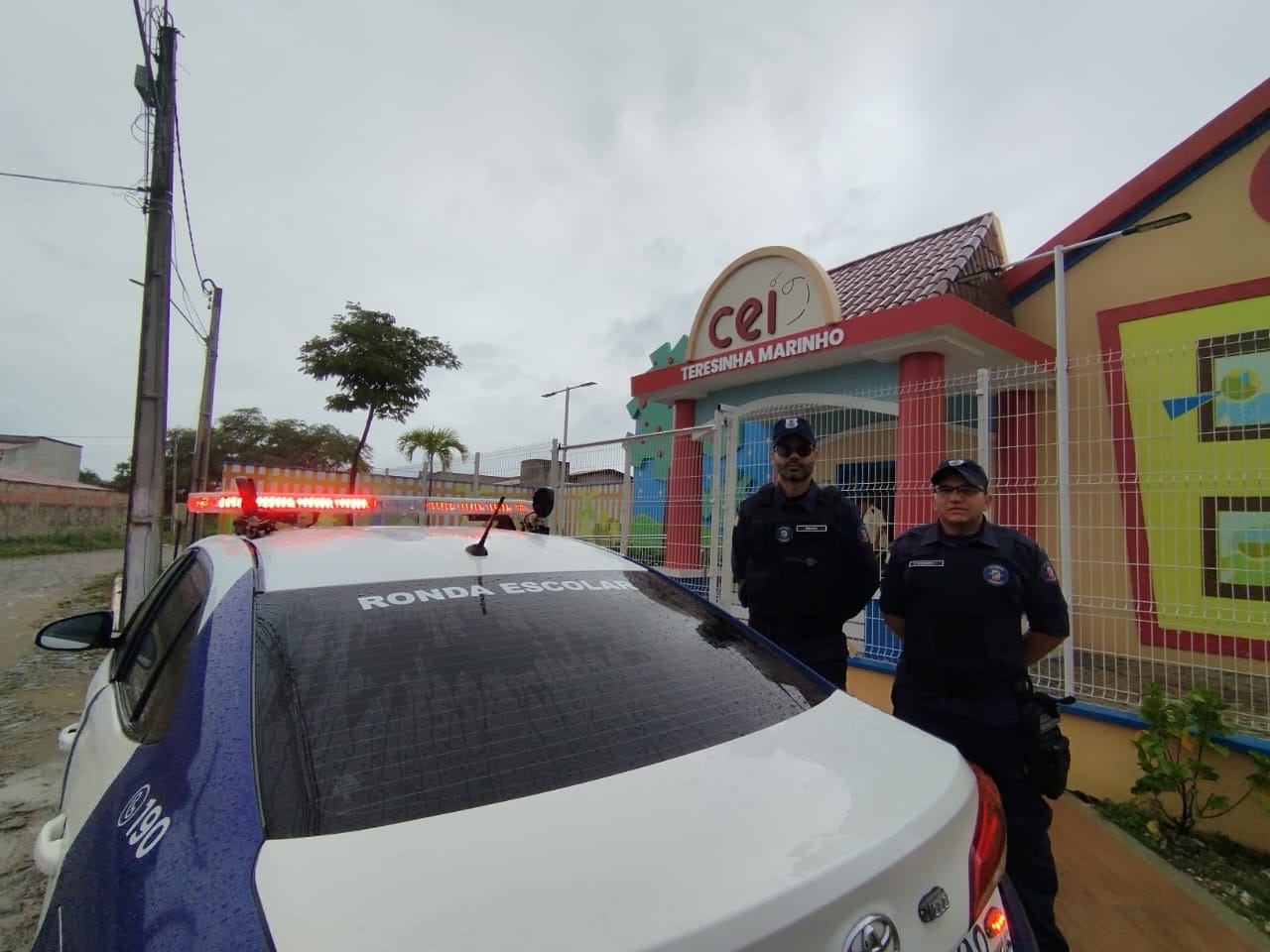
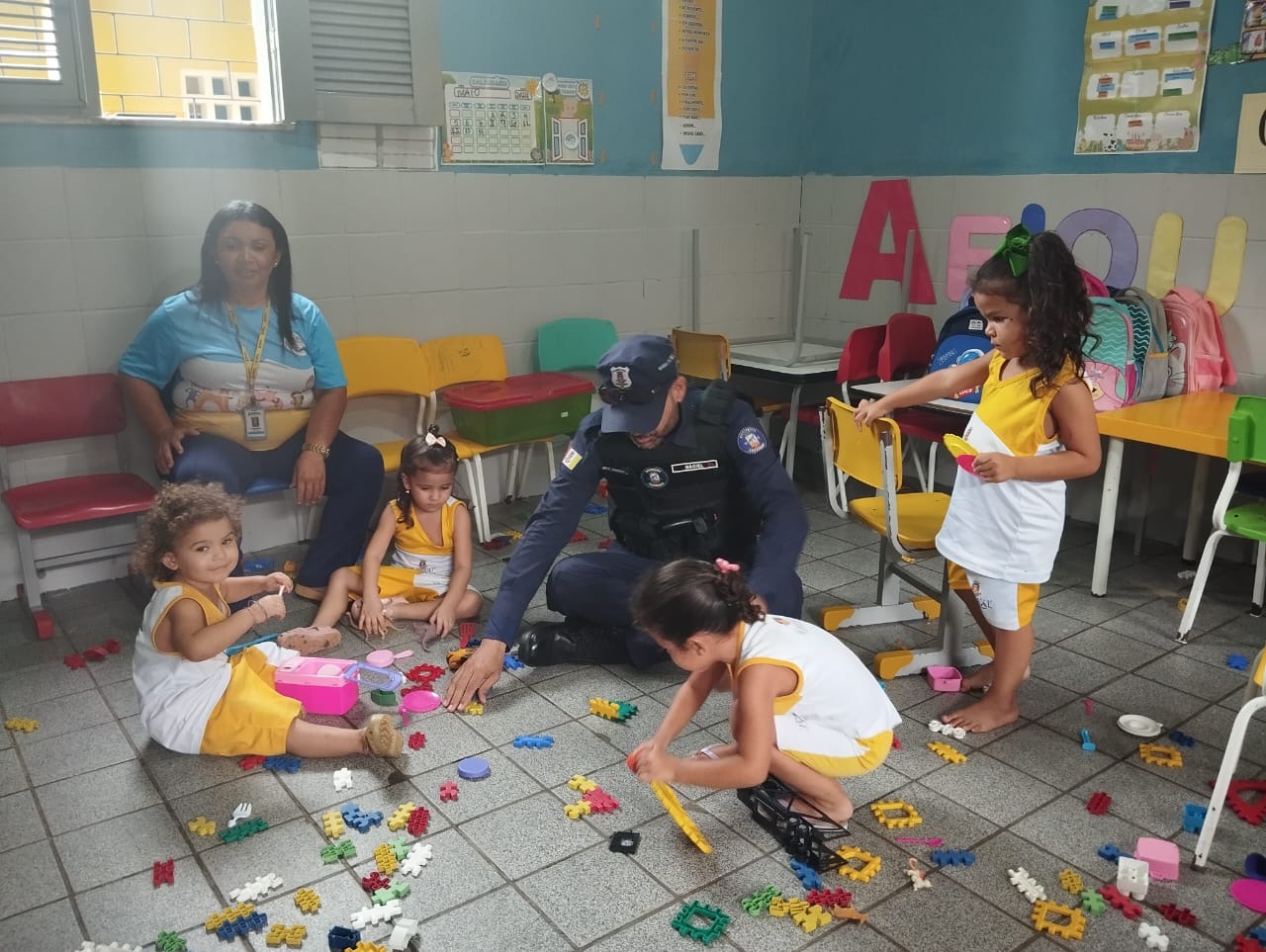
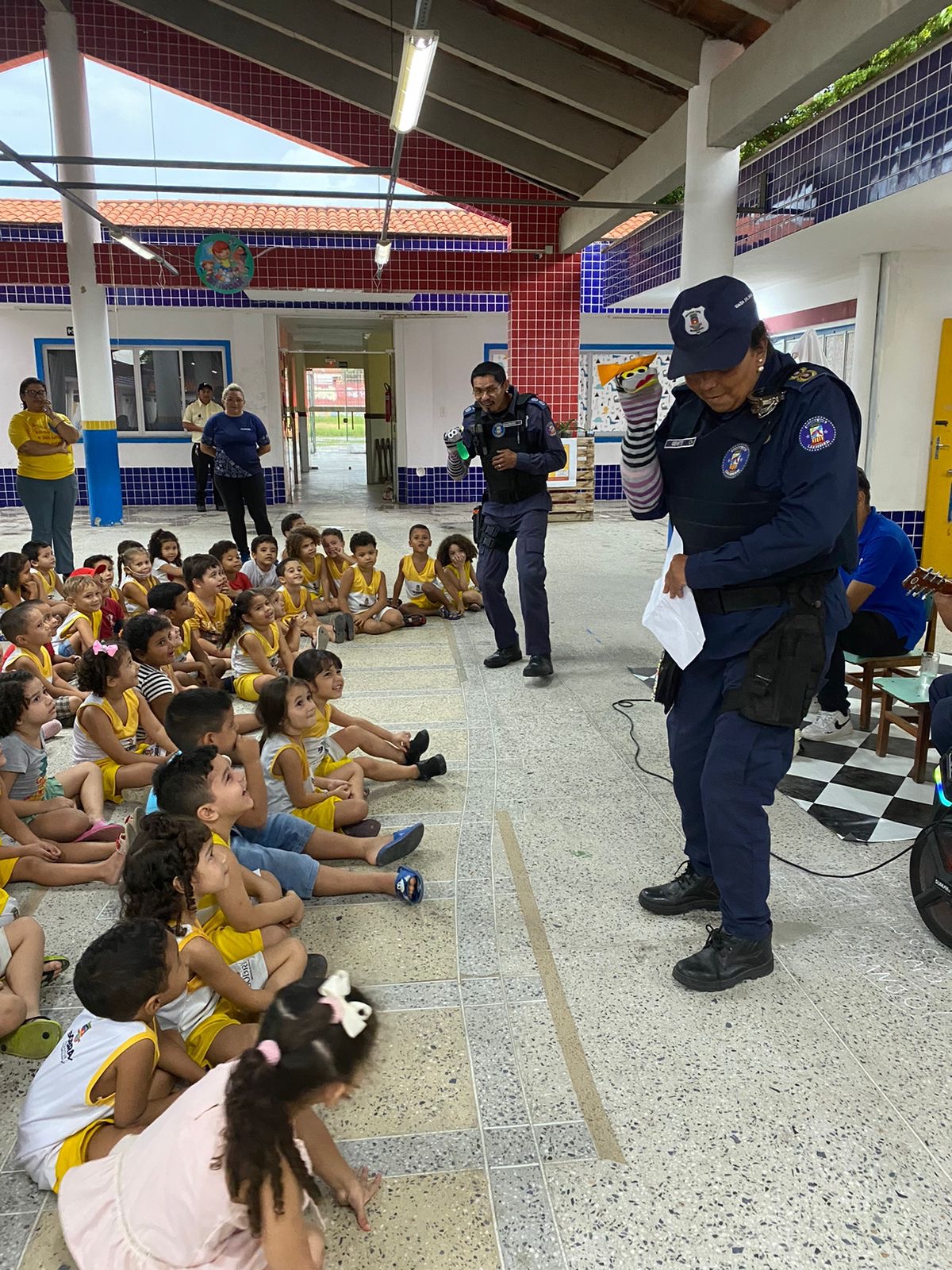
Ronda Escolar is a specialized unit of the Municipal Civil Guard of Sobral, Ceará, focused on developing initiatives within public schools to identify challenges and strengthen existing community dynamics.
The program prioritizes care-based approaches and relationship-building, aiming to create safer and more welcoming school environments aligned with the principles of the Culture of Peace.
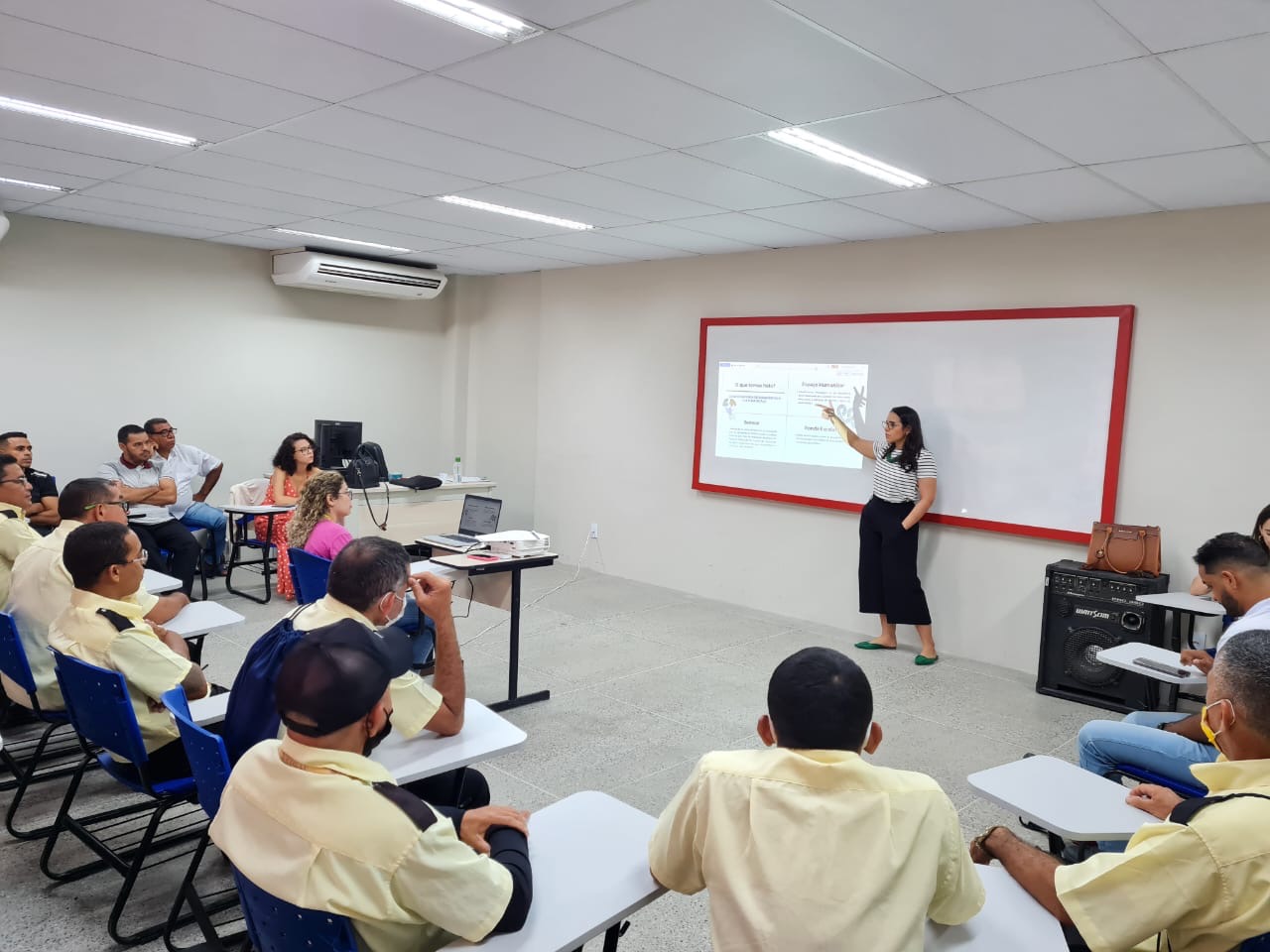
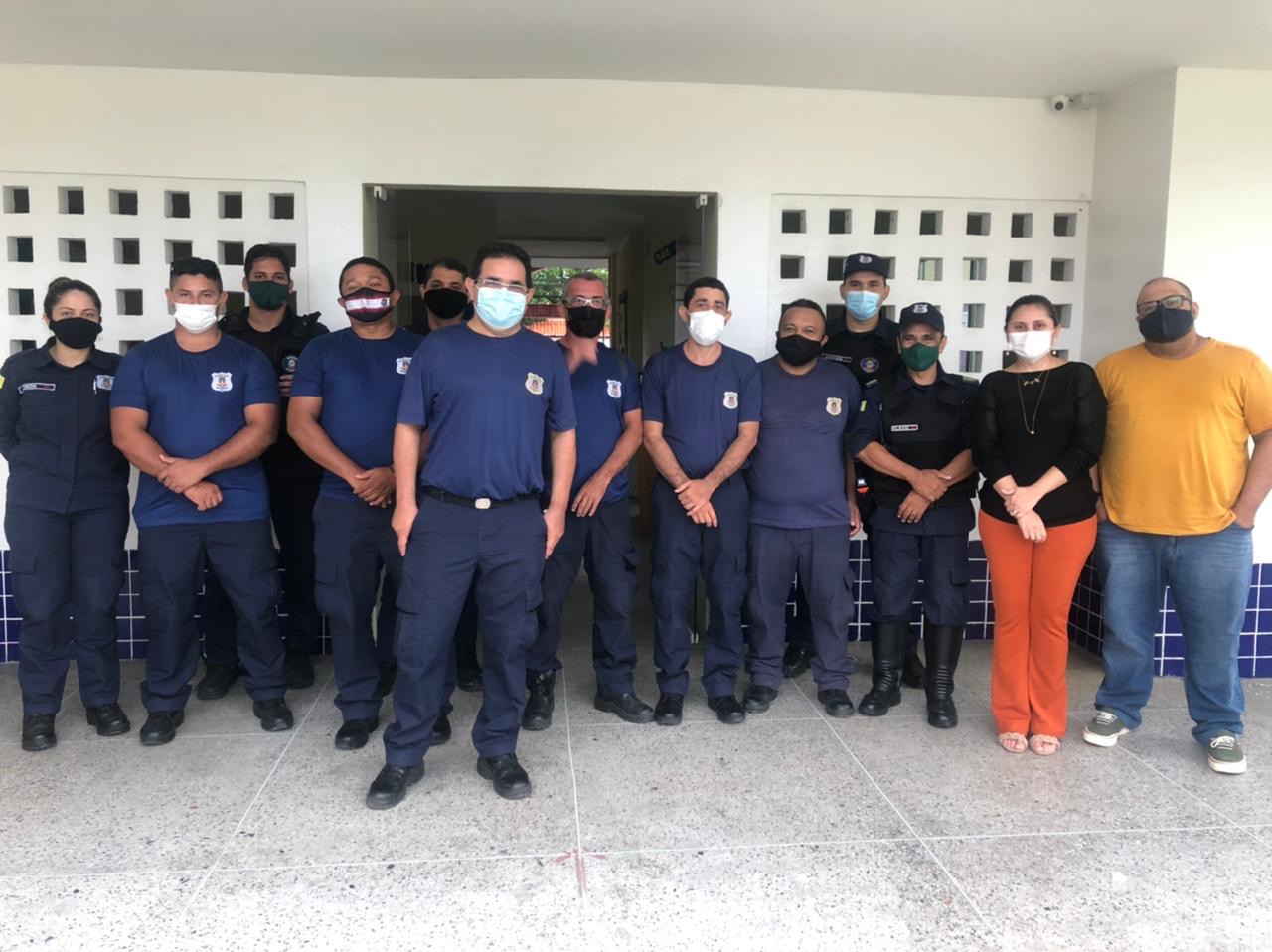
In this context, the Coordination of Diagnosis and Culture of Peace—which I lead—works closely with the program. Our team is responsible for designing and delivering training for the guards, as well as structuring operational workflows and producing data and monitoring reports to support the program’s implementation.
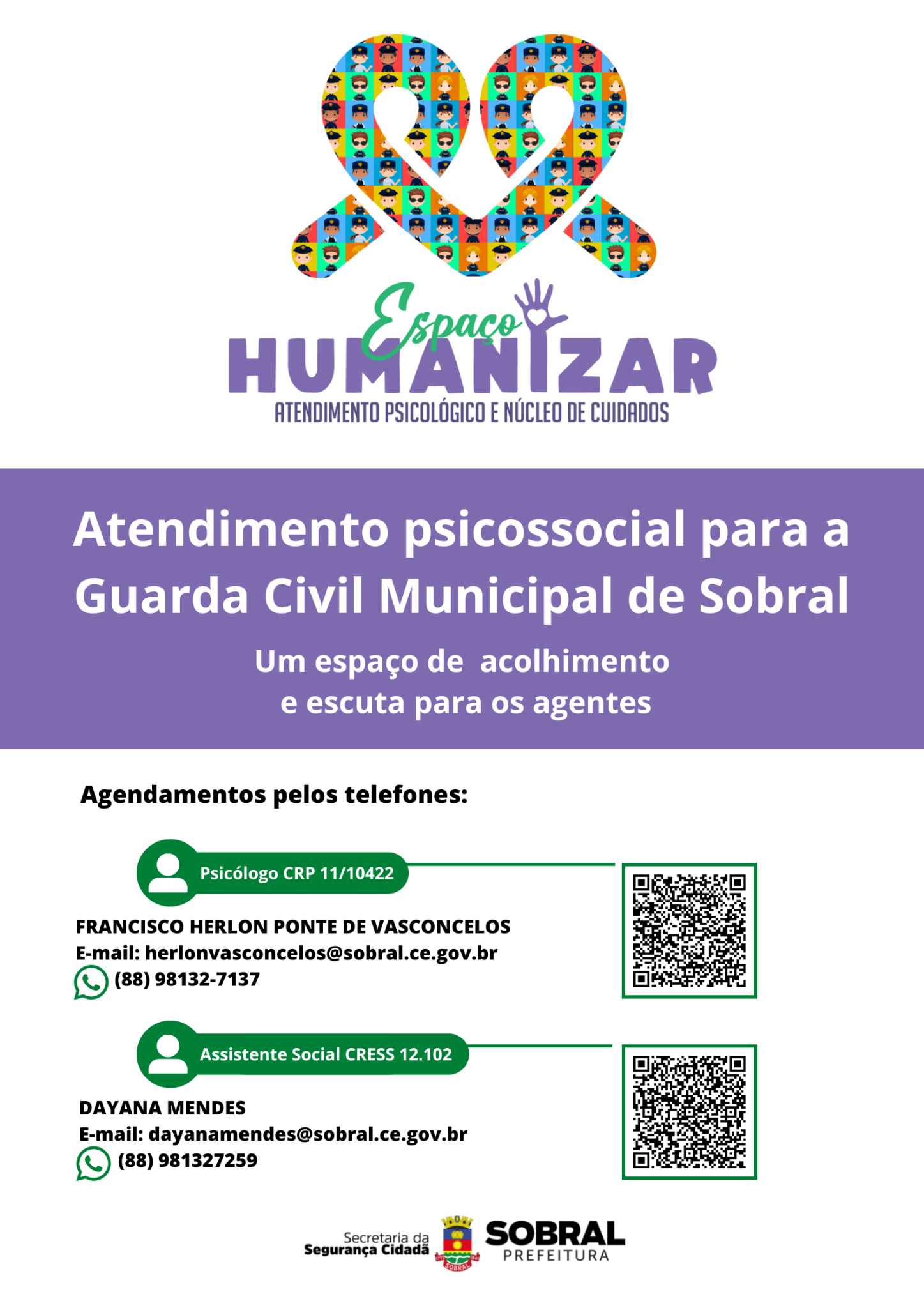
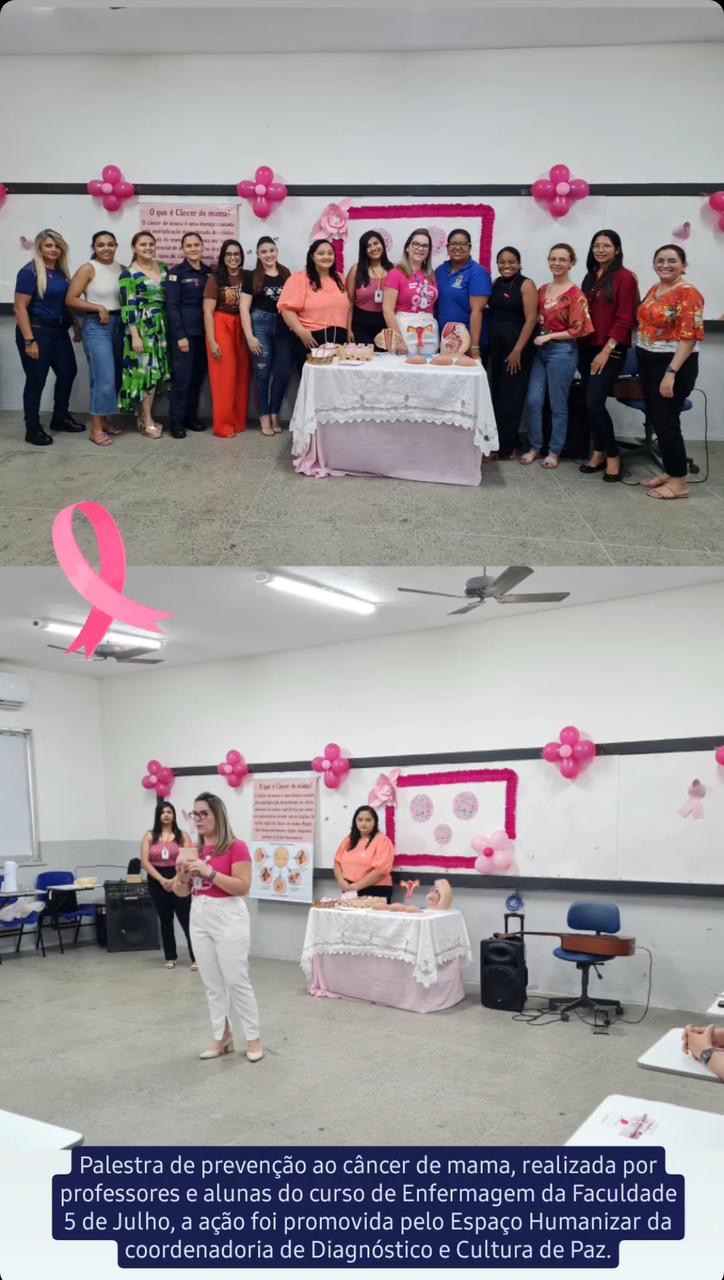
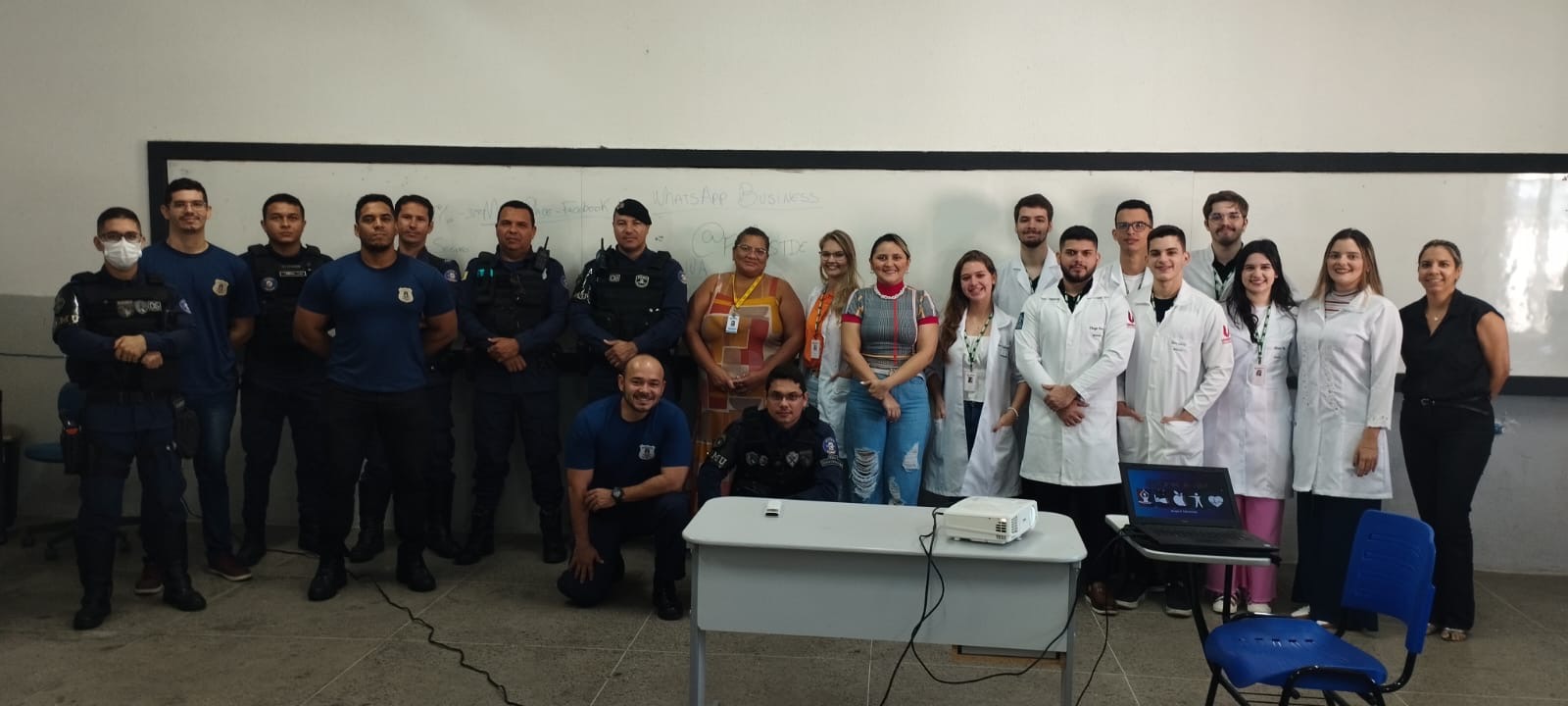
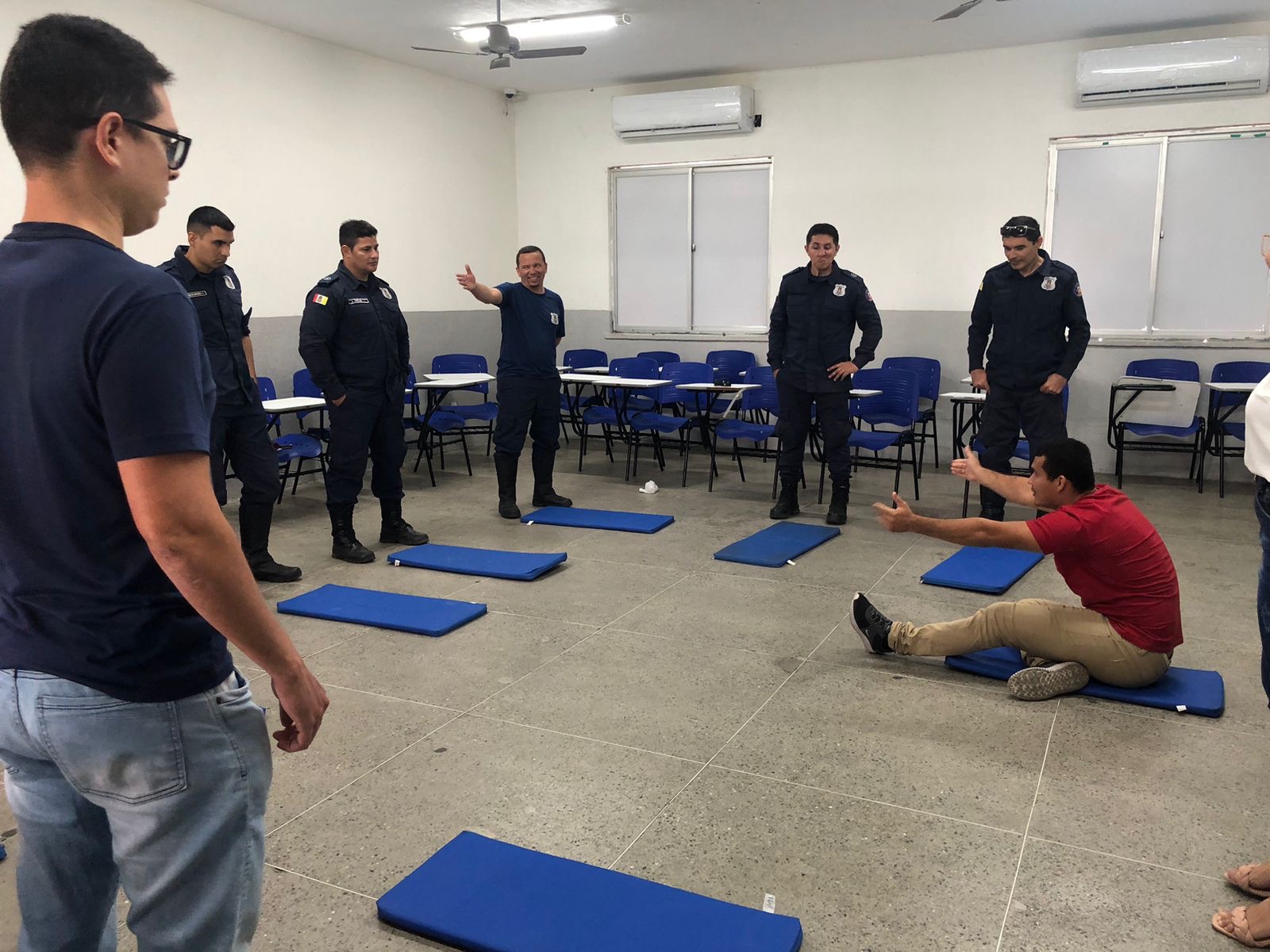
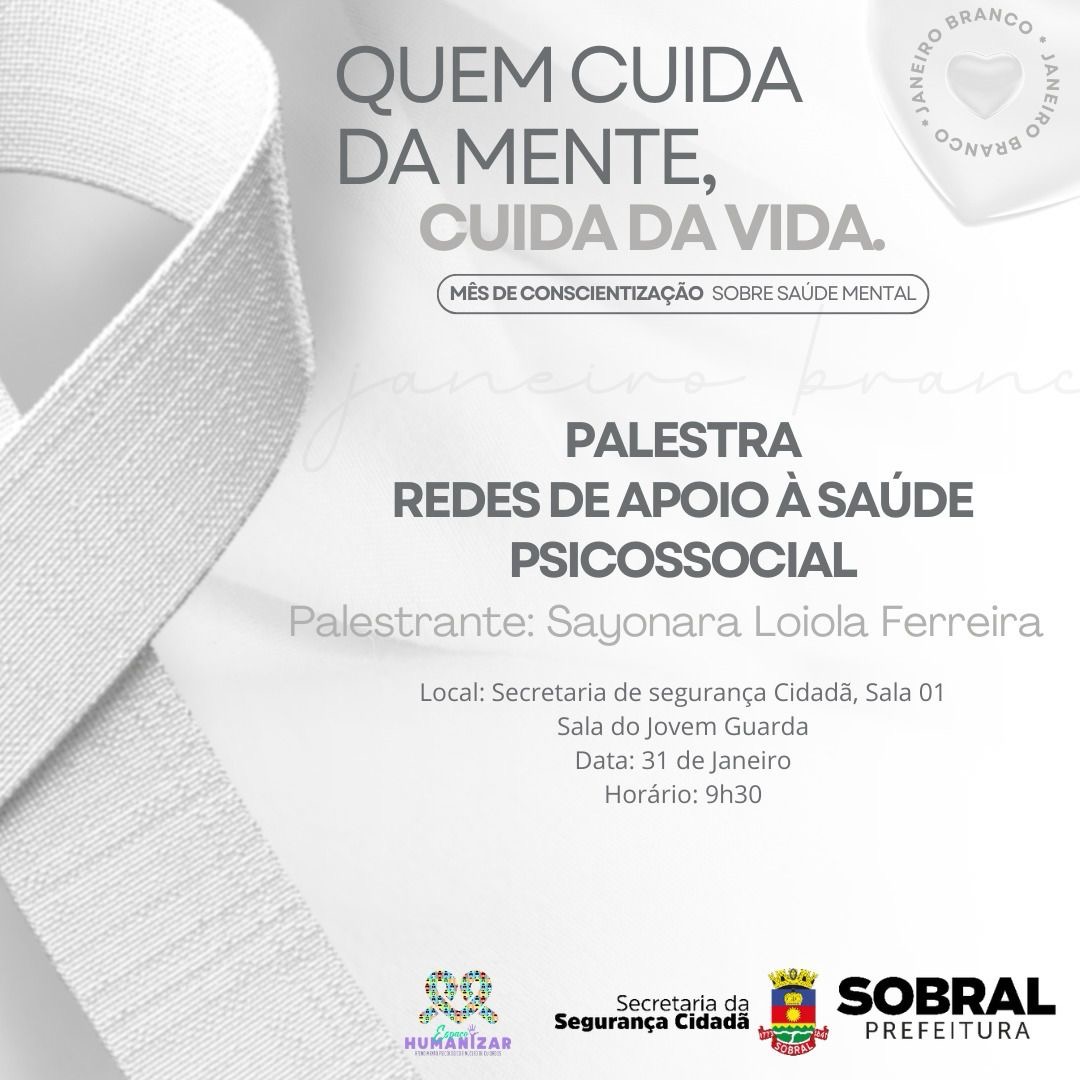
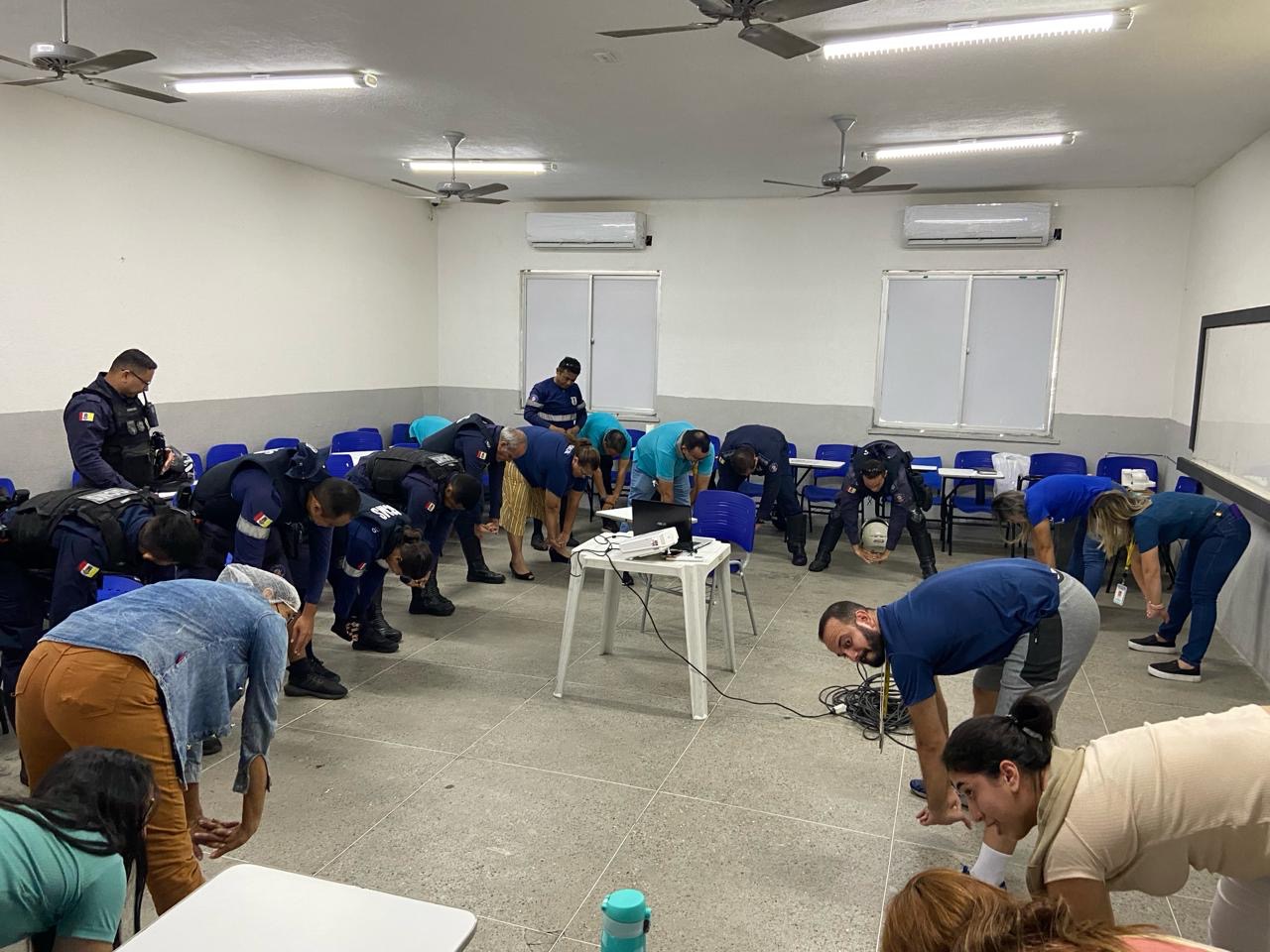
“Espaço Humanizar” is an institutional initiative aimed at promoting health and well-being among members of the Municipal Civil Guard of Sobral, fostering a Culture of Peace within the context of public security through care and socio-emotional development.
The project provides integrated support, including individual psychological services, social assistance, health guidance, technical visits, and collective care activities.
As coordinator of the team, I oversee the implementation of activities and monitor performance indicators, including service delivery data. Psychological and social assistance services are provided by licensed professionals.